
Shibashi Kanji Blog: Visual Mnemonics, Radicals & JLPT Mastery
Science-backed guides on why visual kanji mnemonics beat rote memorization, how unified meaning + reading illustrations work, and how to conquer JLPT N5, N4, and N3 kanji in record time.
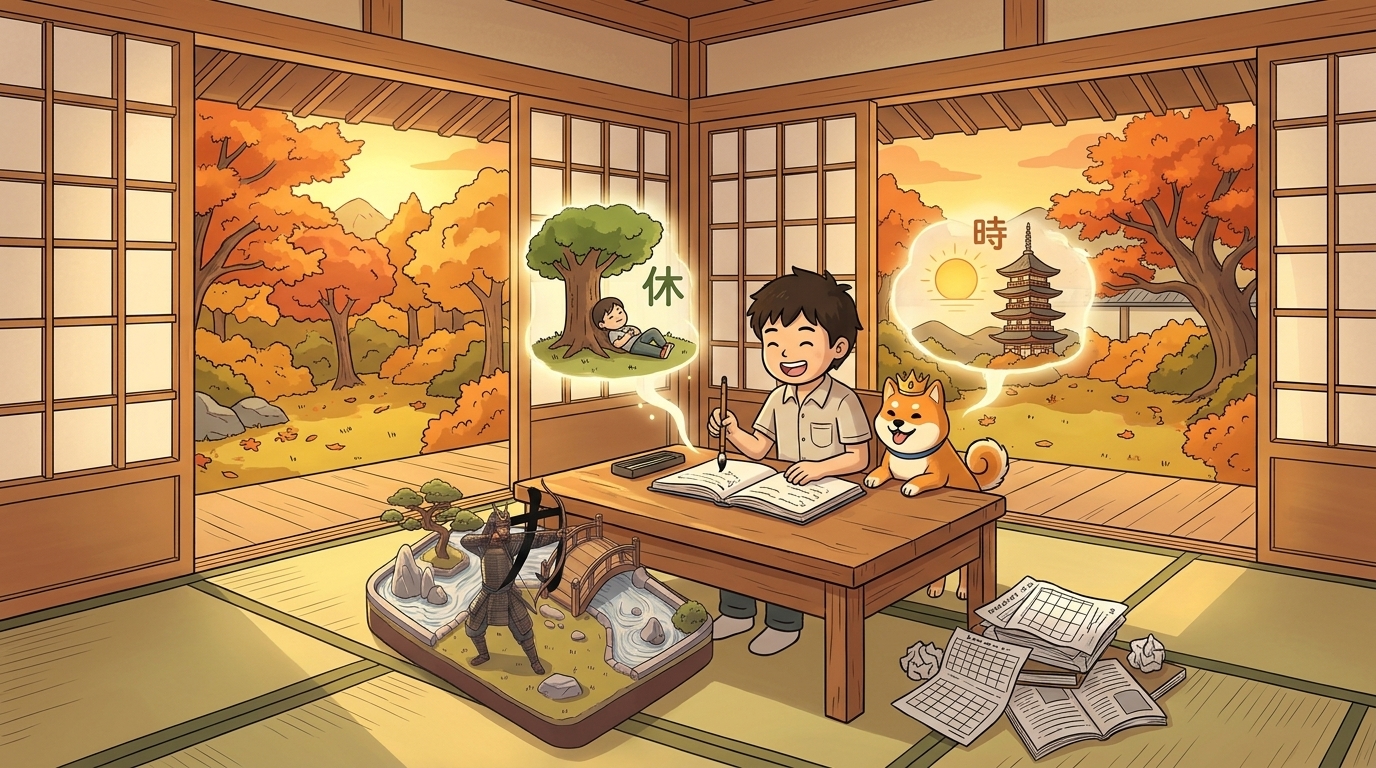
How to Learn Kanji with Radicals and Visual Mnemonics: The Definitive Guide
Writing a character 50 times on grid paper is the slowest way to learn Japanese. Here is the cognitive science behind Visual Mnemonics, Radical Families, and how one unified illustration locks kanji into permanent memory.
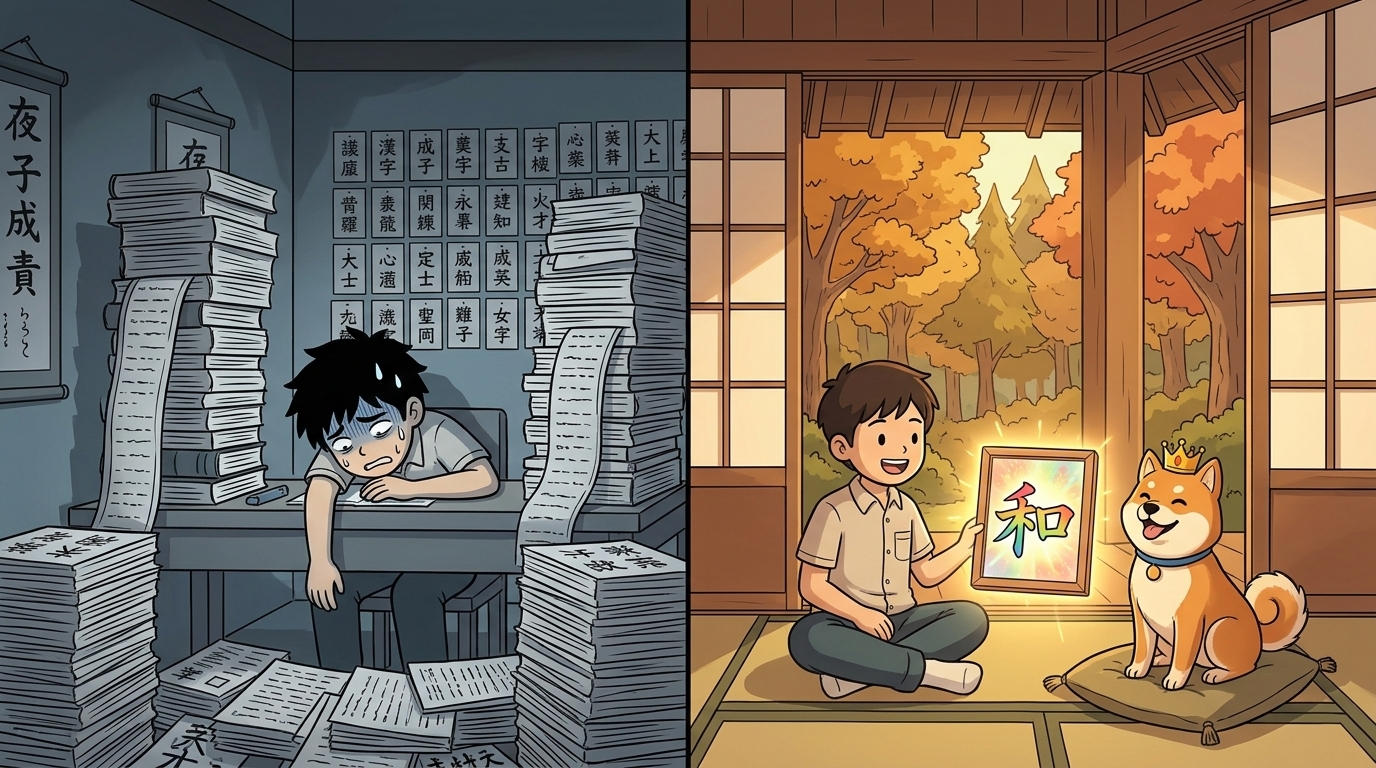
Shibashi vs. WaniKani vs. Anki vs. RTK: Why Unified Visual + Reading Mnemonics Win
Most kanji apps force you to memorize a text story for the meaning, and then a second disconnected text story for the reading — or skip readings altogether. Here is how modern kanji systems compare.
How Long Does It Take to Learn JLPT N5, N4 & N3 Kanji? (Realistic Hours vs. Visual Shortcut)
Whether you are aiming for survival Japanese (JLPT N5), daily conversation (JLPT N4), or native manga and news (JLPT N3), here is the exact hour-by-hour breakdown — and how visual families compress months into weeks.
On'yomi vs. Kun'yomi Explained: How to Instantly Know Which Kanji Reading to Use
The #1 reason beginners quit kanji isn't the stroke count — it's discovering that a single character has multiple pronunciations. Here is the simple rule that tells you which reading to use 90% of the time.
How Many Kanji Do You Actually Need to Know to Read Japanese? (The 80/20 Frequency Rule)
People love to scare beginners with rumors of 50,000 kanji. In reality, Japanese follows a steep Pareto distribution where a few hundred foundational characters do the vast majority of the heavy lifting.
Hiragana vs. Katakana vs. Kanji: Why Japanese Uses 3 Writing Systems (And Why Kanji Helps You Read Faster)
Every new Japanese learner asks the same question: 'Why on earth does one language need three scripts — and can I just skip Kanji?' Here is why Kanji is actually your best friend when reading Japanese.
Why Is Kanji So Hard to Remember? The 4 Cognitive Traps Stopping Japanese Learners
If you feel like kanji slides right out of your head five minutes after an SRS review session, your memory isn't broken — your study method is triggering four classic cognitive bottlenecks.
The Ultimate Japanese Kanji Radicals Guide: How Visual Building Blocks Unlock Hundreds of Kanji
Fluent readers never see a 14-stroke kanji as 14 separate lines. They see two familiar building blocks snapped together like LEGO bricks. Here are the high-leverage radical families that unlock hundreds of kanji.
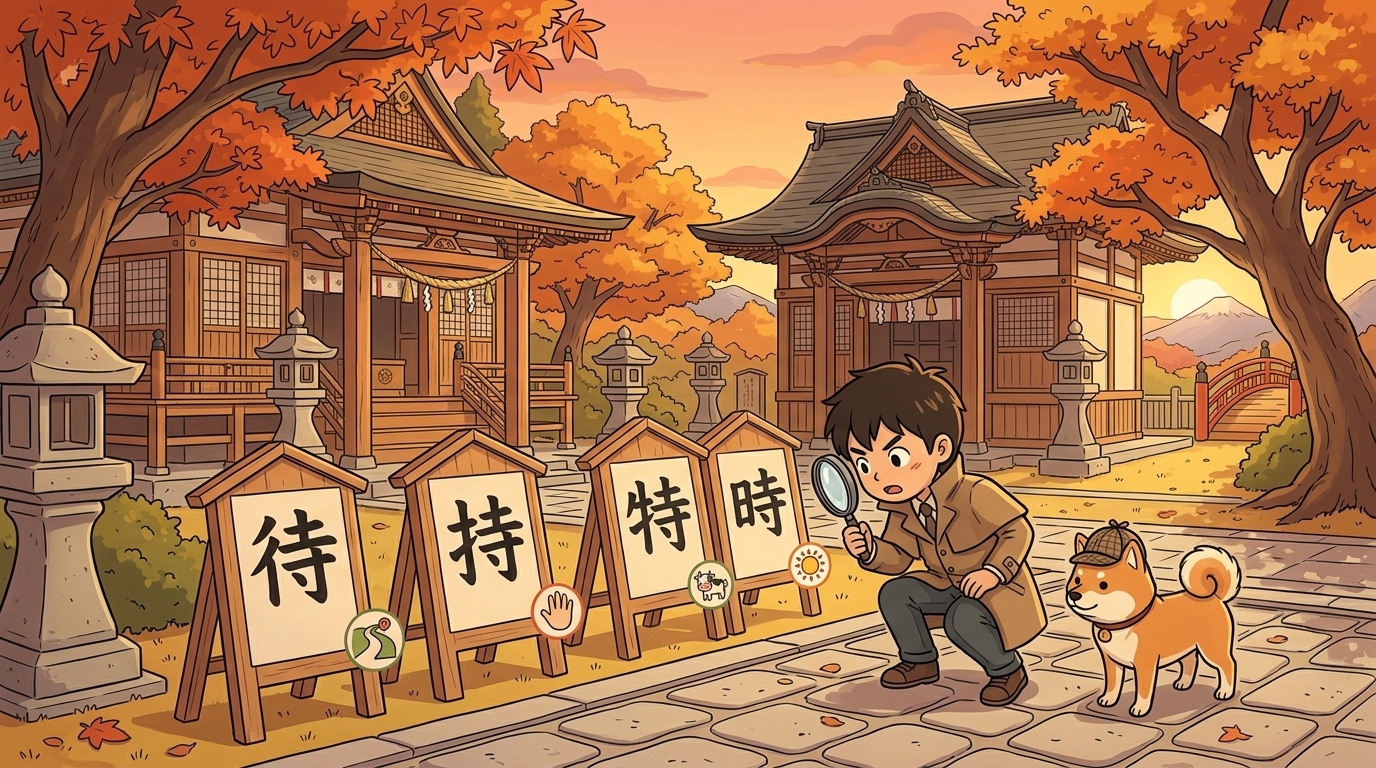
How to Stop Confusing Lookalike Kanji: 5-Second Visual Rules for Similar Characters
The JLPT loves testing lookalike characters that differ by a single radical or stroke. Learn why studying similar kanji side-by-side in Visual Families permanently eliminates confusion.
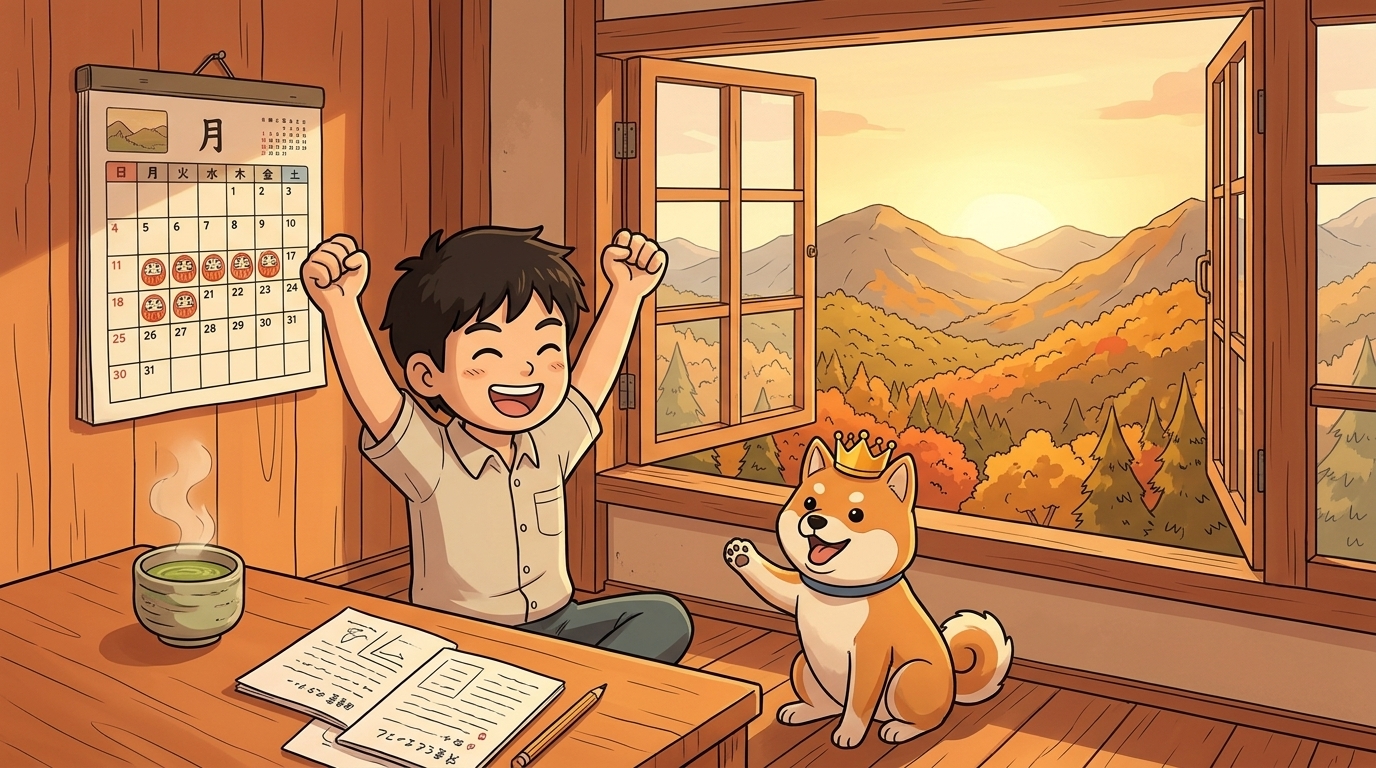
The 30-Day JLPT N5 & N4 Kanji Study Plan: From Zero to Reading Real Japanese
Instead of spending a full year grinding isolated character lists, use this structured 4-week blueprint to master foundational JLPT N5 and N4 kanji and their everyday compound words in 20 minutes a day.