Lookalike Kanji Visual Mnemonics Guide
The hardest part of reading Japanese isn't memorizing isolated characters — it's telling apart kanjis that differ by a single stroke or radical. Compare our illustrated Japanese kanji mnemonics below or take the Interactive Lookalike Quiz →
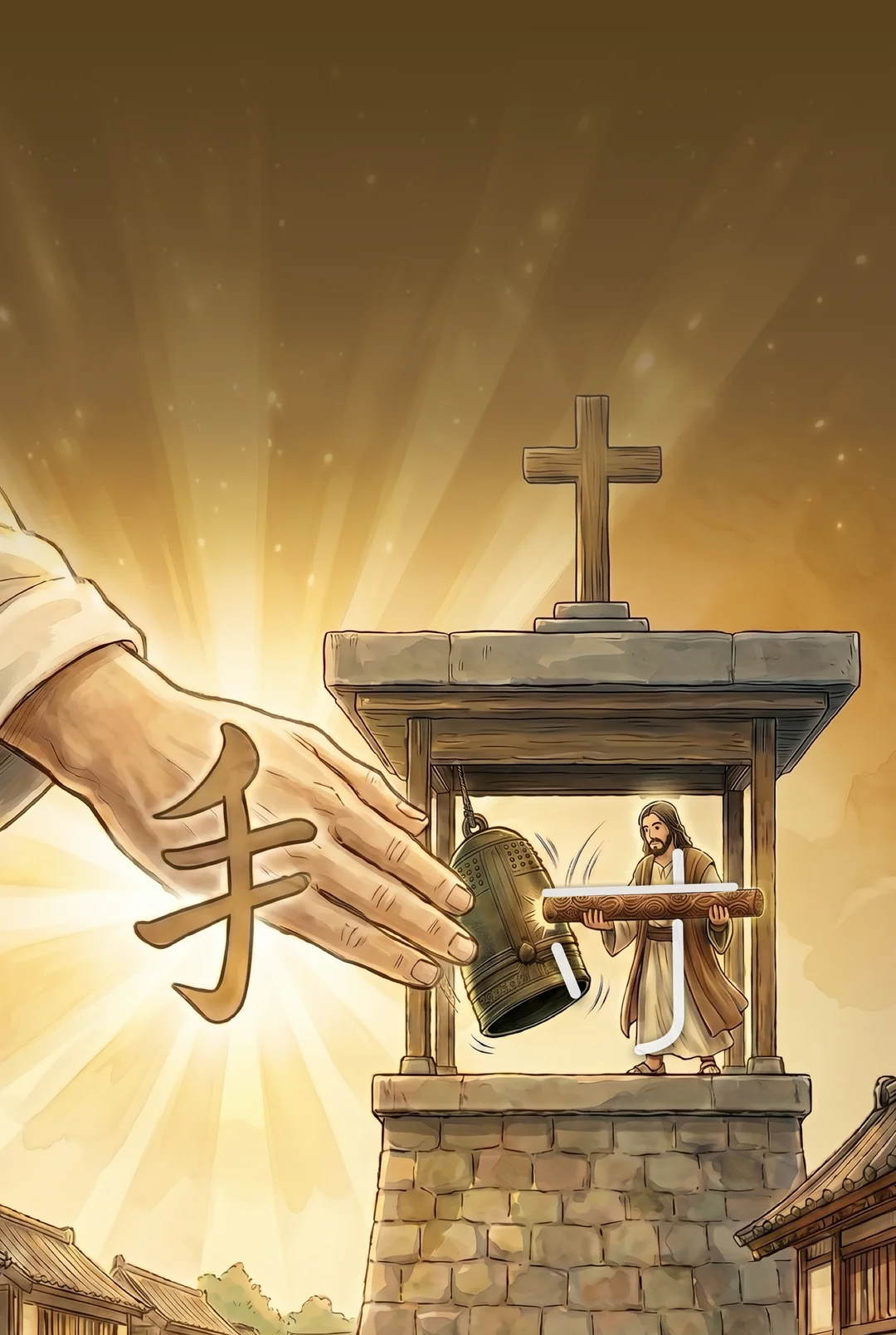
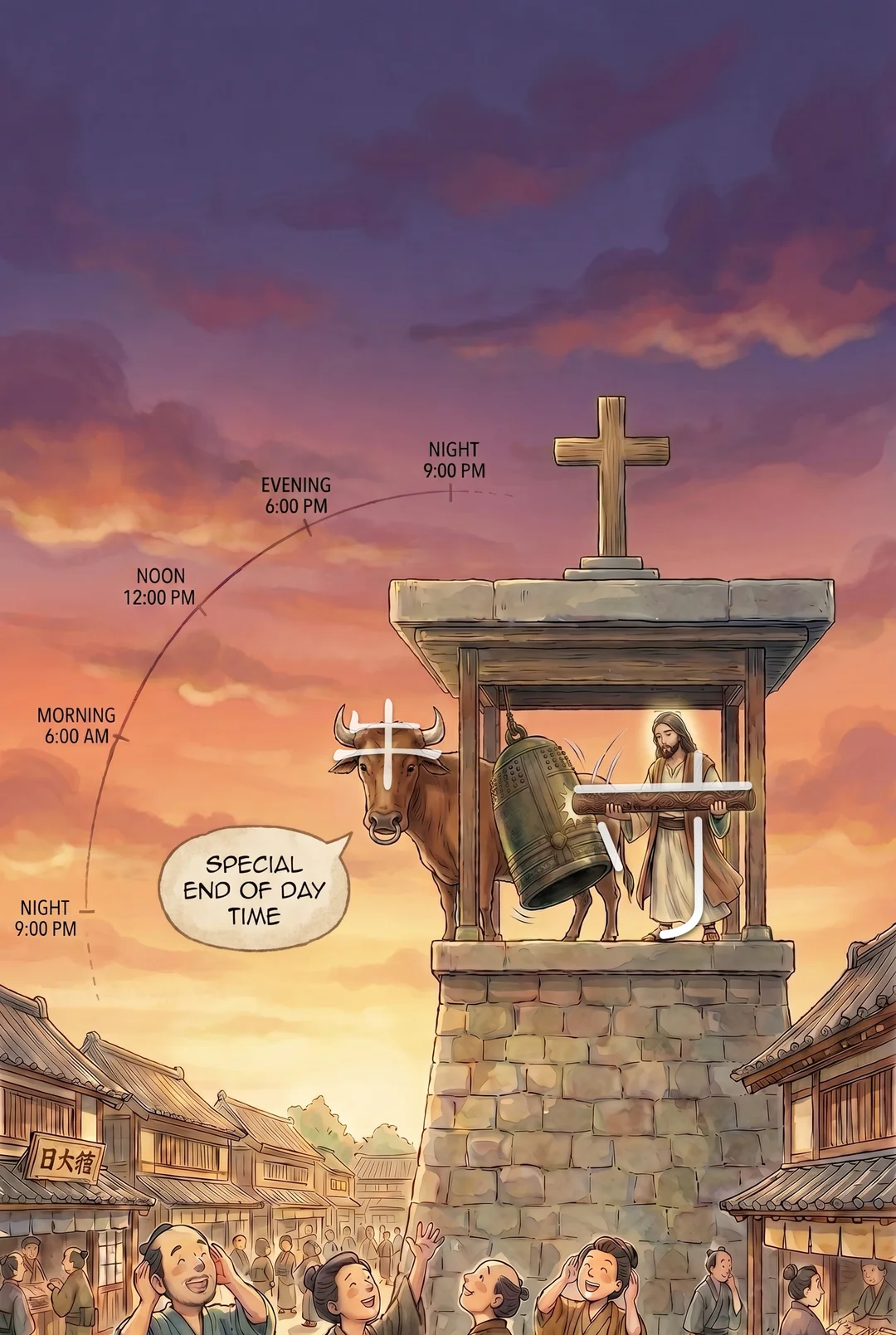
待 (Wait) vs 持 (Hold) vs 特 (Special) vs 時 (Time)
All four share the temple (寺) visual core on the right! The secret is looking purely at the left-side radical.
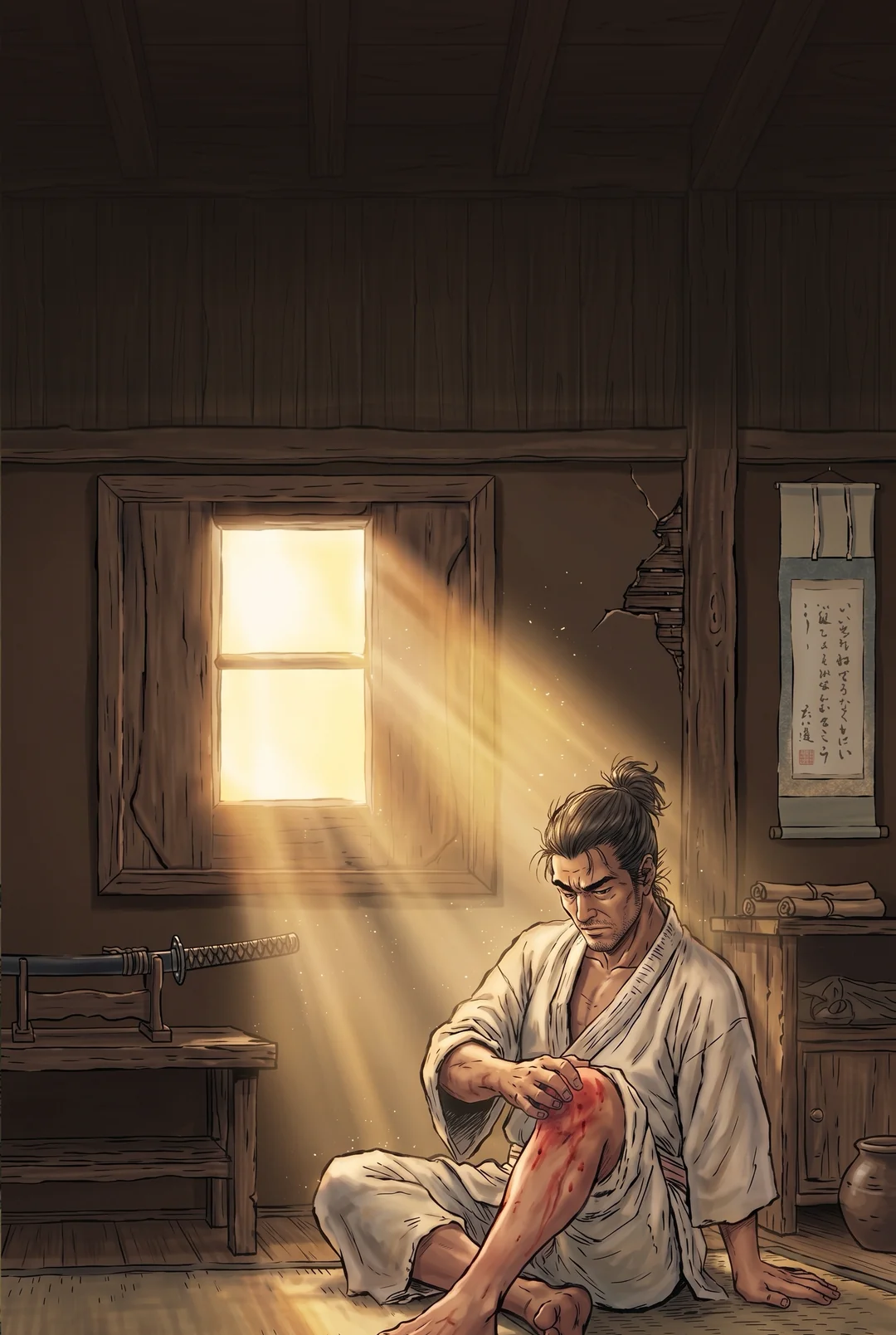
Distinction Rule: 彳 (slide / footsteps) = Wait (待) • 扌 (hand) = Hold (持) • 牛 (cow) = Special (特) • 日 (sun) = Time (時).

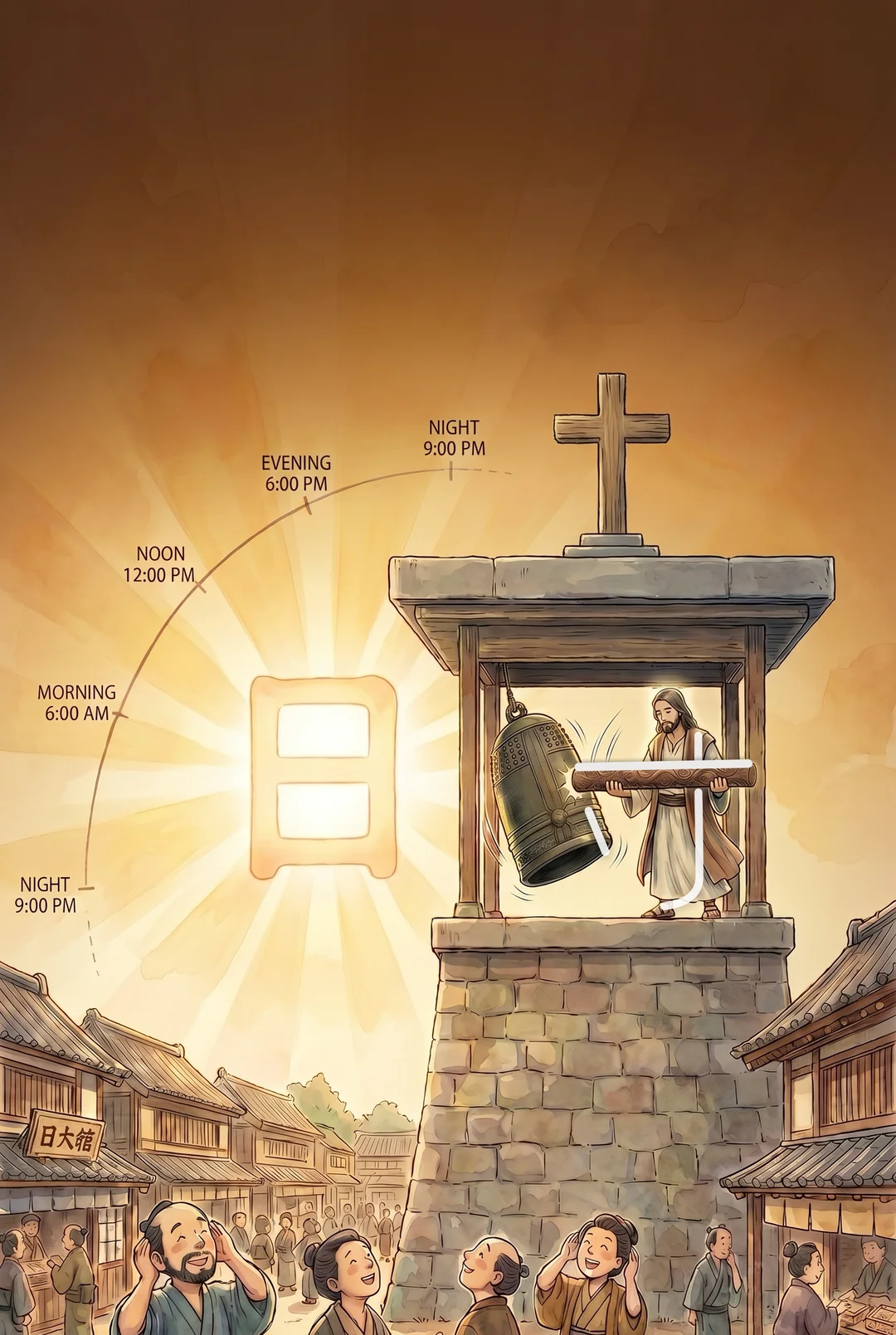
日 (Day) vs 目 (Eye) vs 白 (White) vs 百 (Hundred) vs 自 (Self)
Box-shaped N5 kanjis are the #1 source of early reading mistakes. A single stroke at the top changes everything.
Distinction Rule: 日 (1 inner bar = Day/Sun) • 目 (2 inner bars = Eye) • 白 (sun with a ray on top = White) • 百 (one 一 on top of white = Hundred) • 自 (eye with a nose ridge on top = Self).
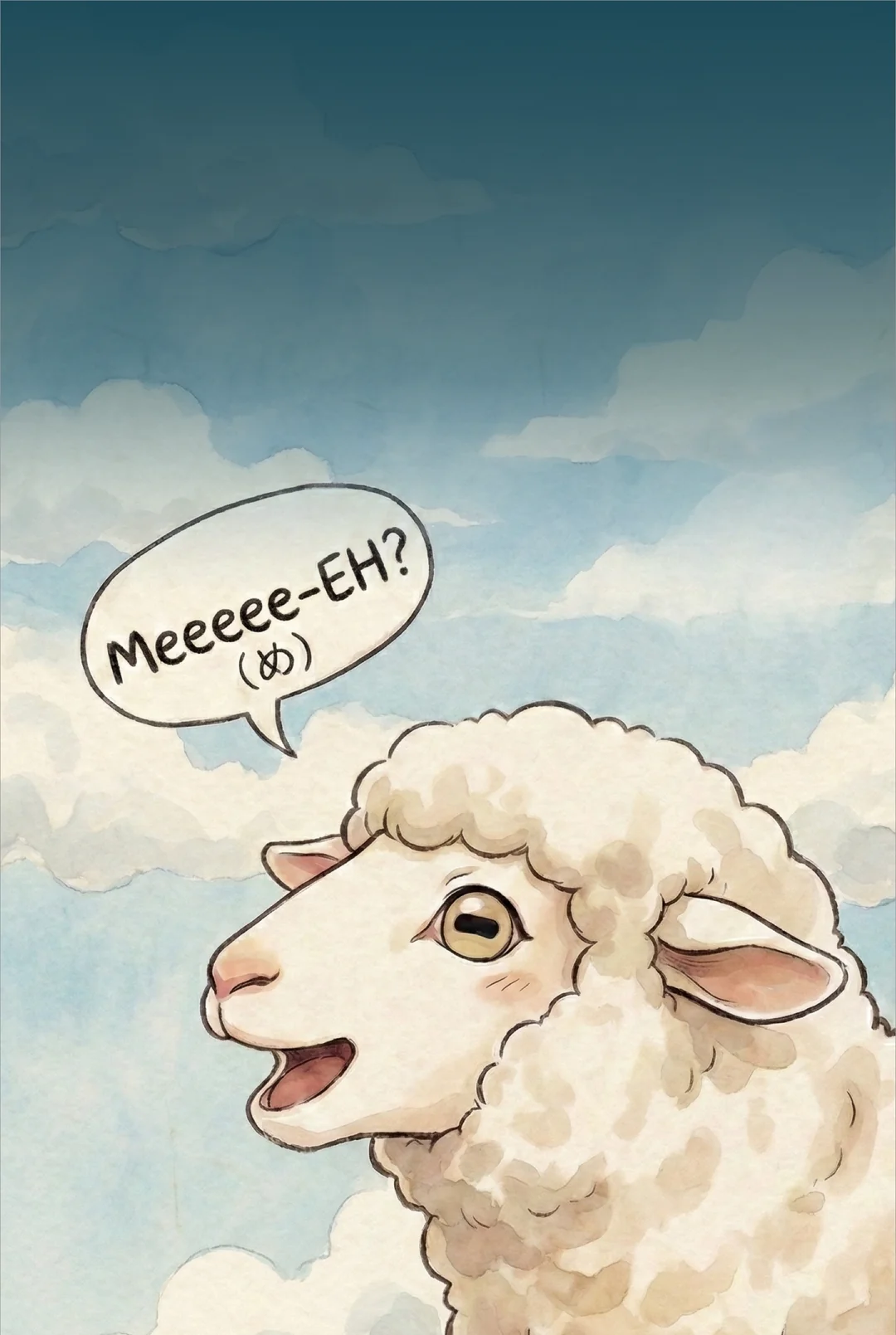


人 (Person) vs 入 (Enter) vs 八 (Eight)
Two simple strokes leaning in different directions — beginners mix up 人 and 入 even at JLPT N4.
Distinction Rule: 人 (two legs standing together = Person) • 入 (top leans left as if ducking inside = Enter) • 八 (two strokes separated with space between = Eight).
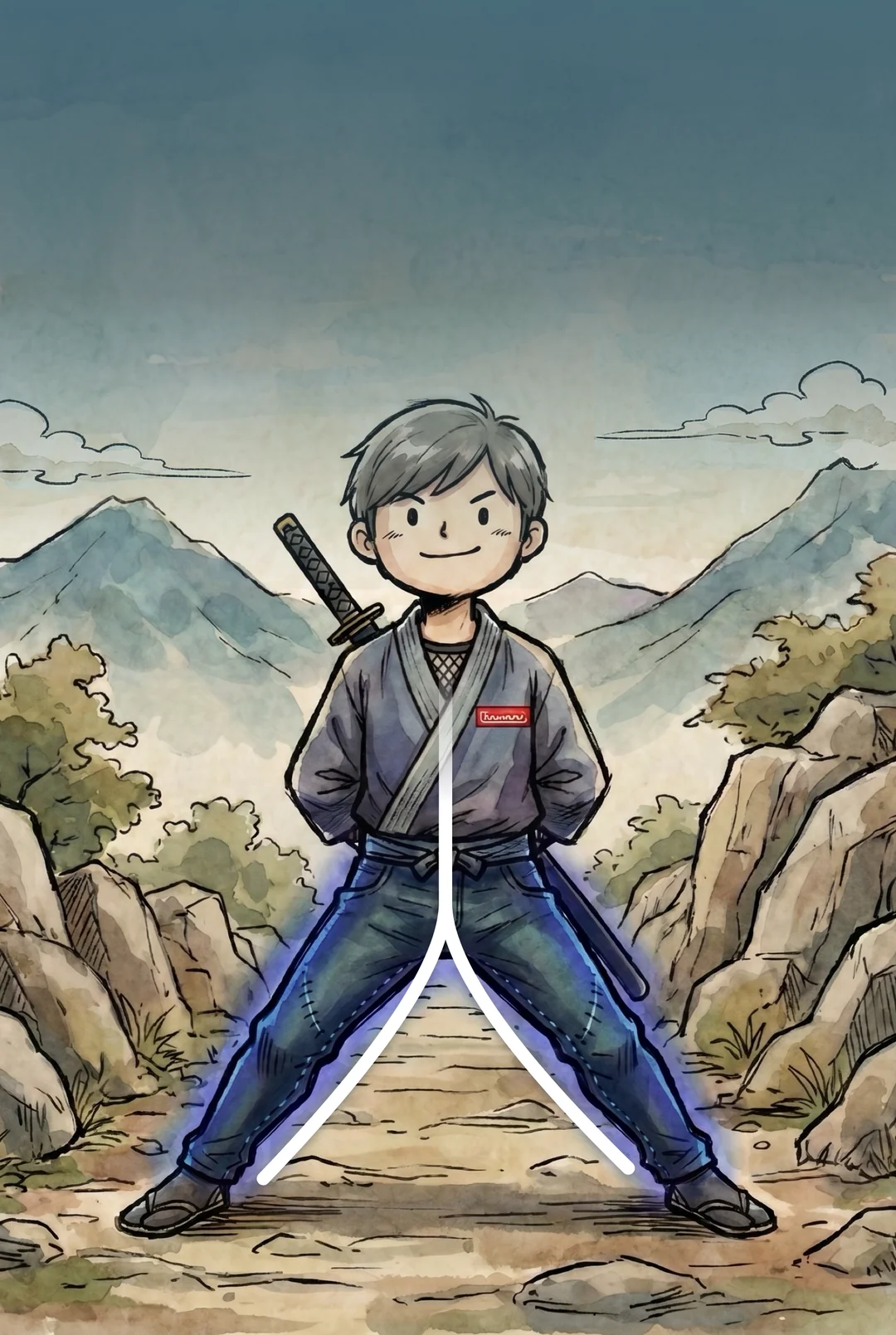


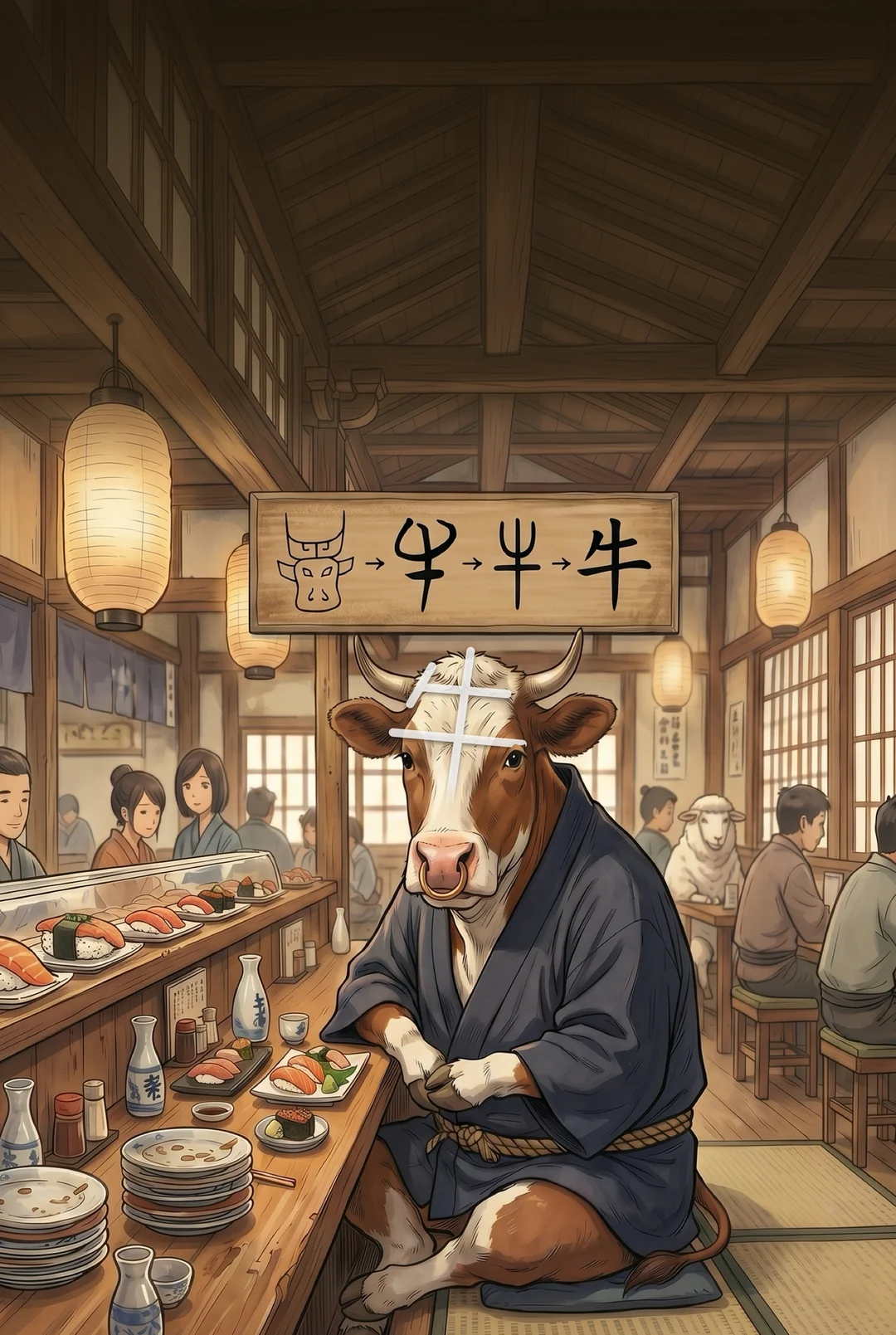
牛 (Cow) vs 午 (Noon) vs 年 (Year)
Does the vertical line poke through the top or stop at the bar? That tiny horn is the whole difference between a Cow and Noon!
Distinction Rule: 牛 (vertical horn pokes ABOVE the top bar = Cow) • 午 (vertical line stops FLAT at the top bar = Noon) • 年 (extra horizontal steps across the calendar = Year).
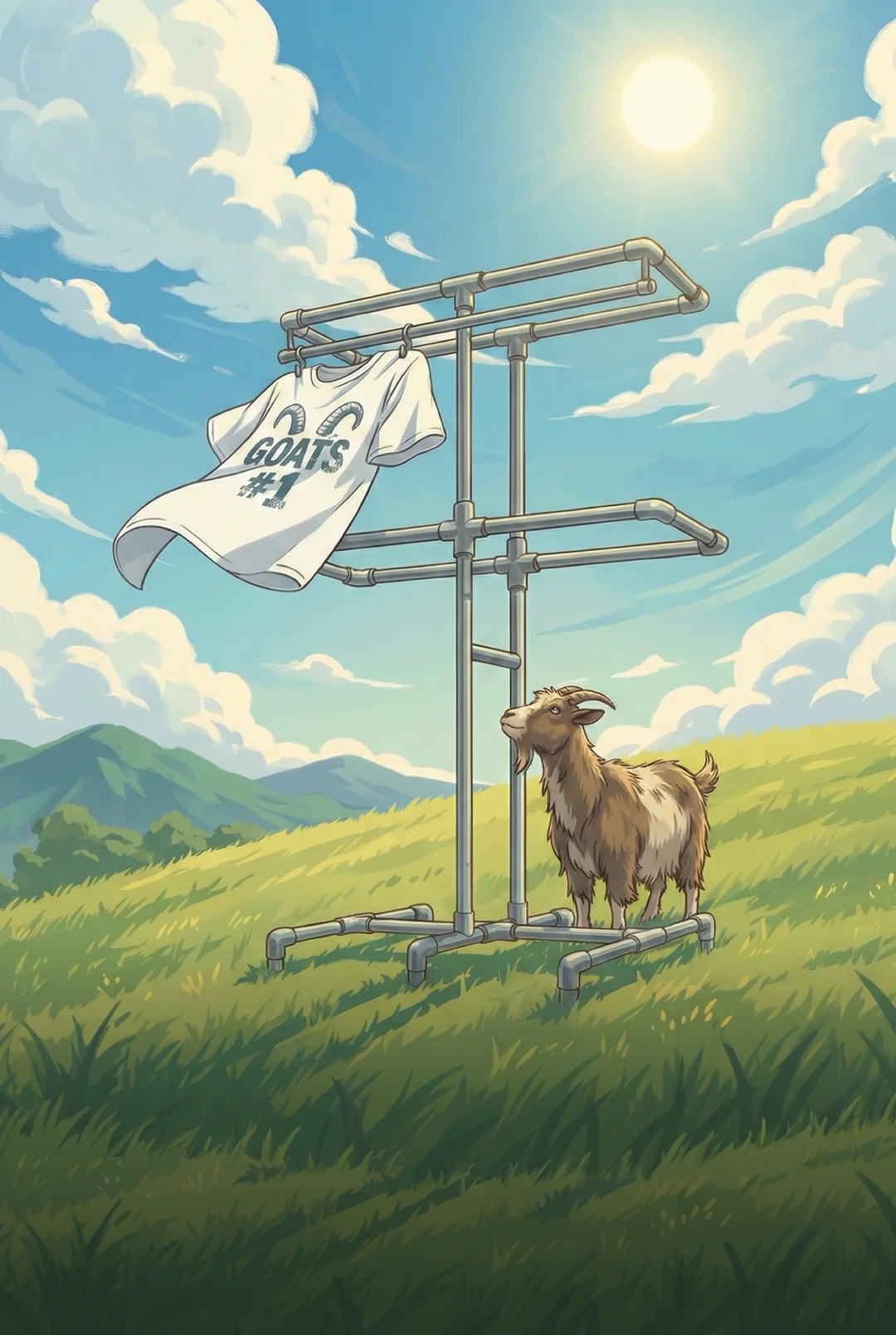
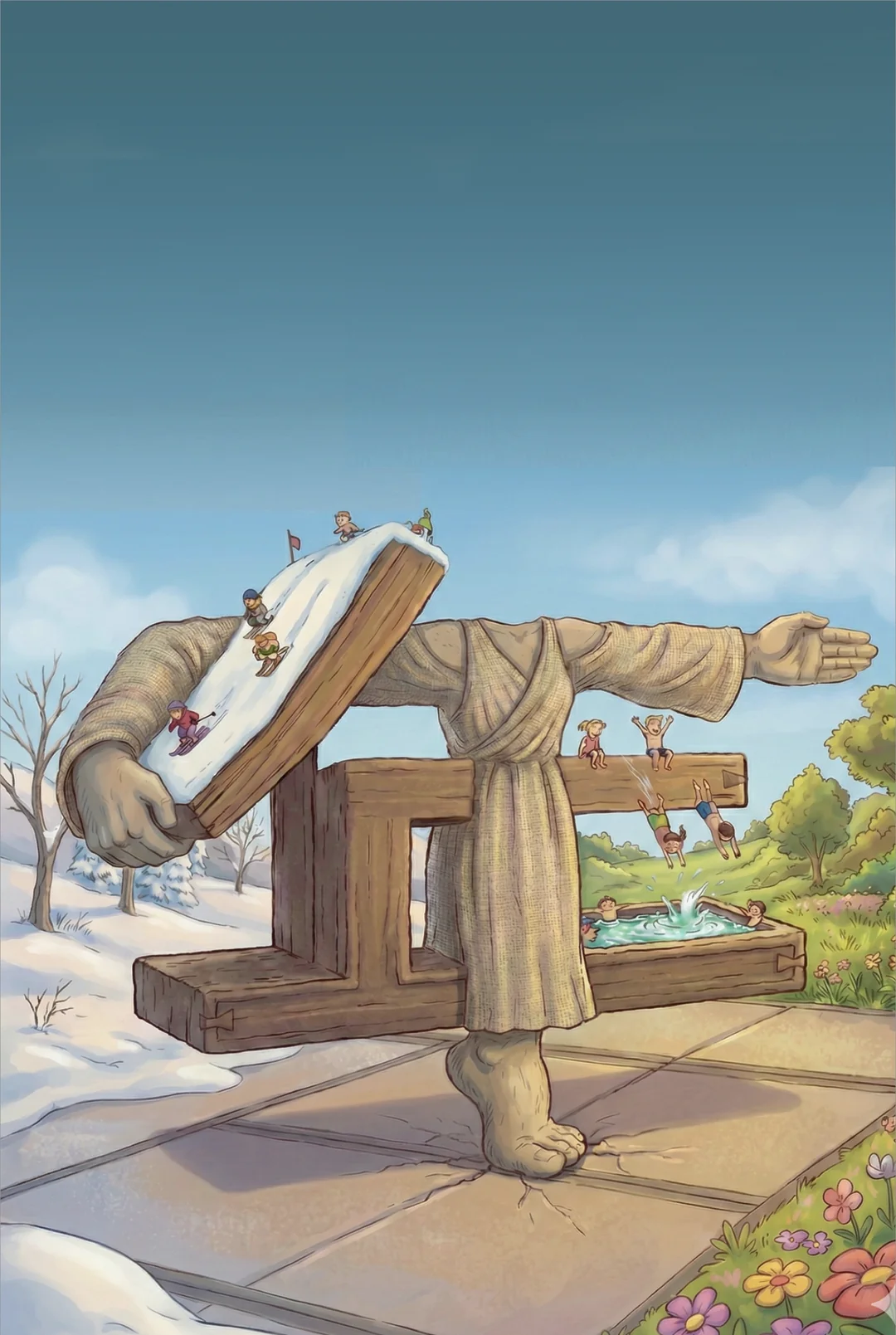
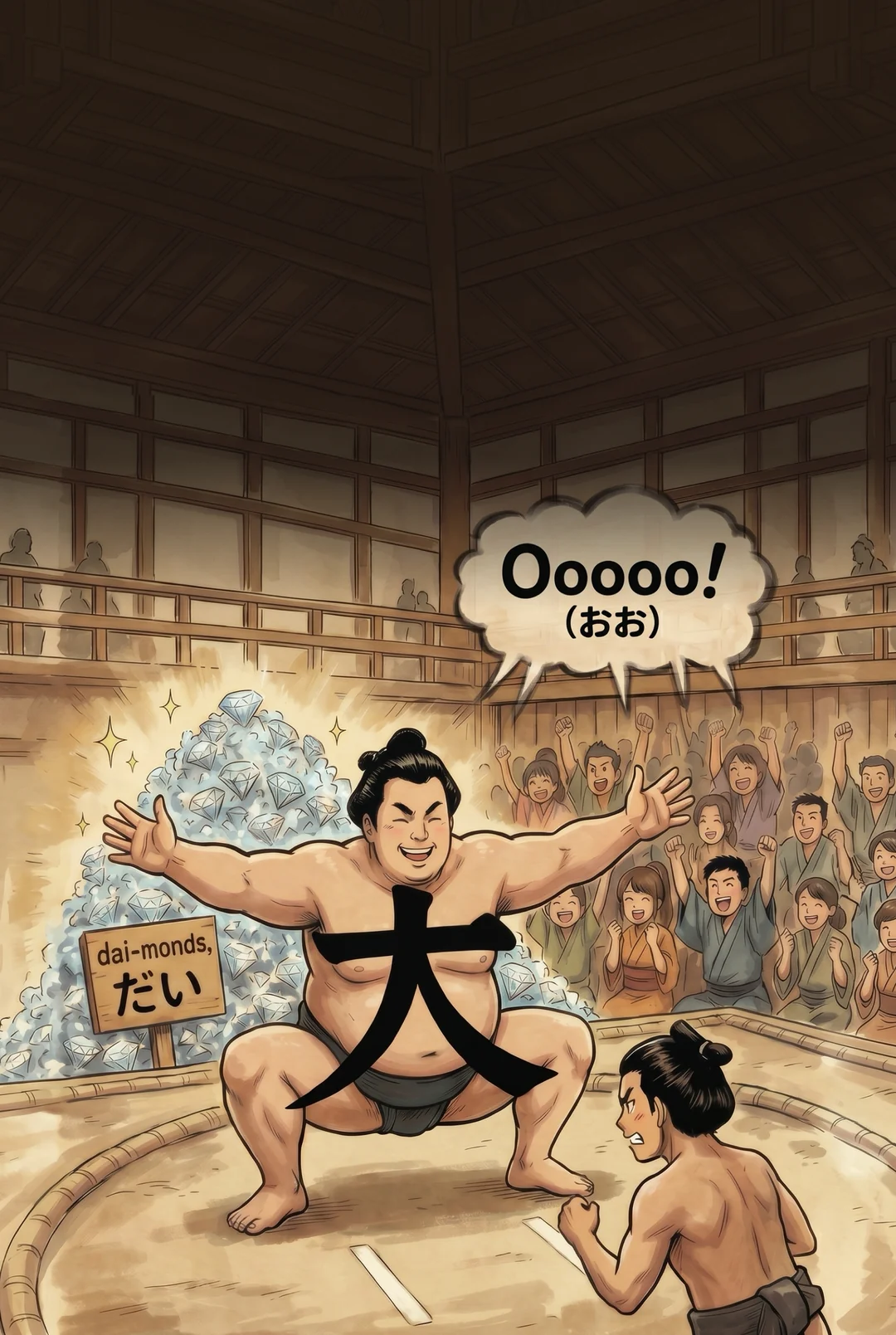
大 (Big) vs 太 (Thick/Fat) vs 犬 (Dog)
One dot moves from the bottom to the top-right and turns a fat person into a dog.
Distinction Rule: 大 (arms stretched wide = Big) • 太 (drop at the bottom belly = Thick/Fat) • 犬 (drop up by the ear = Dog).


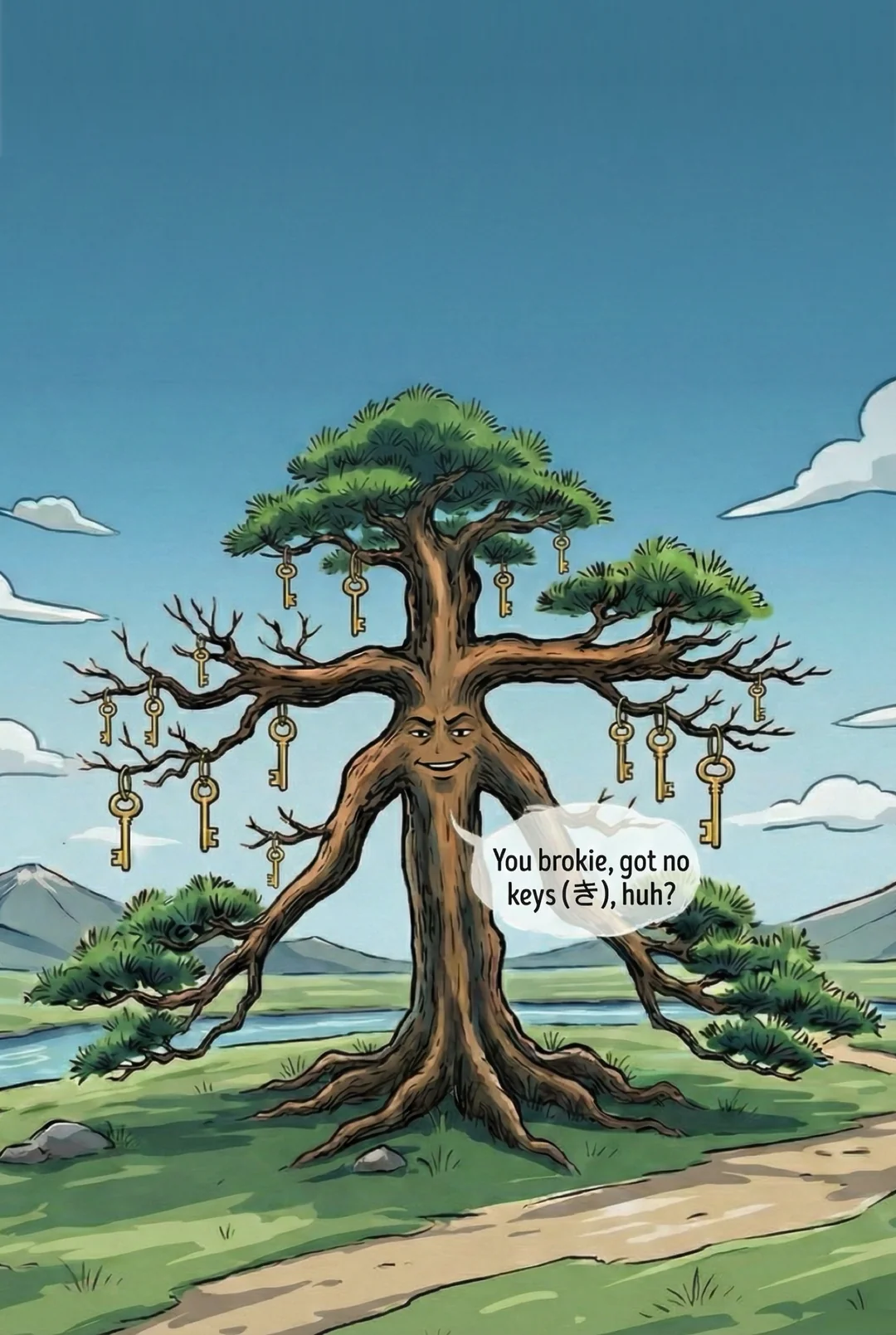
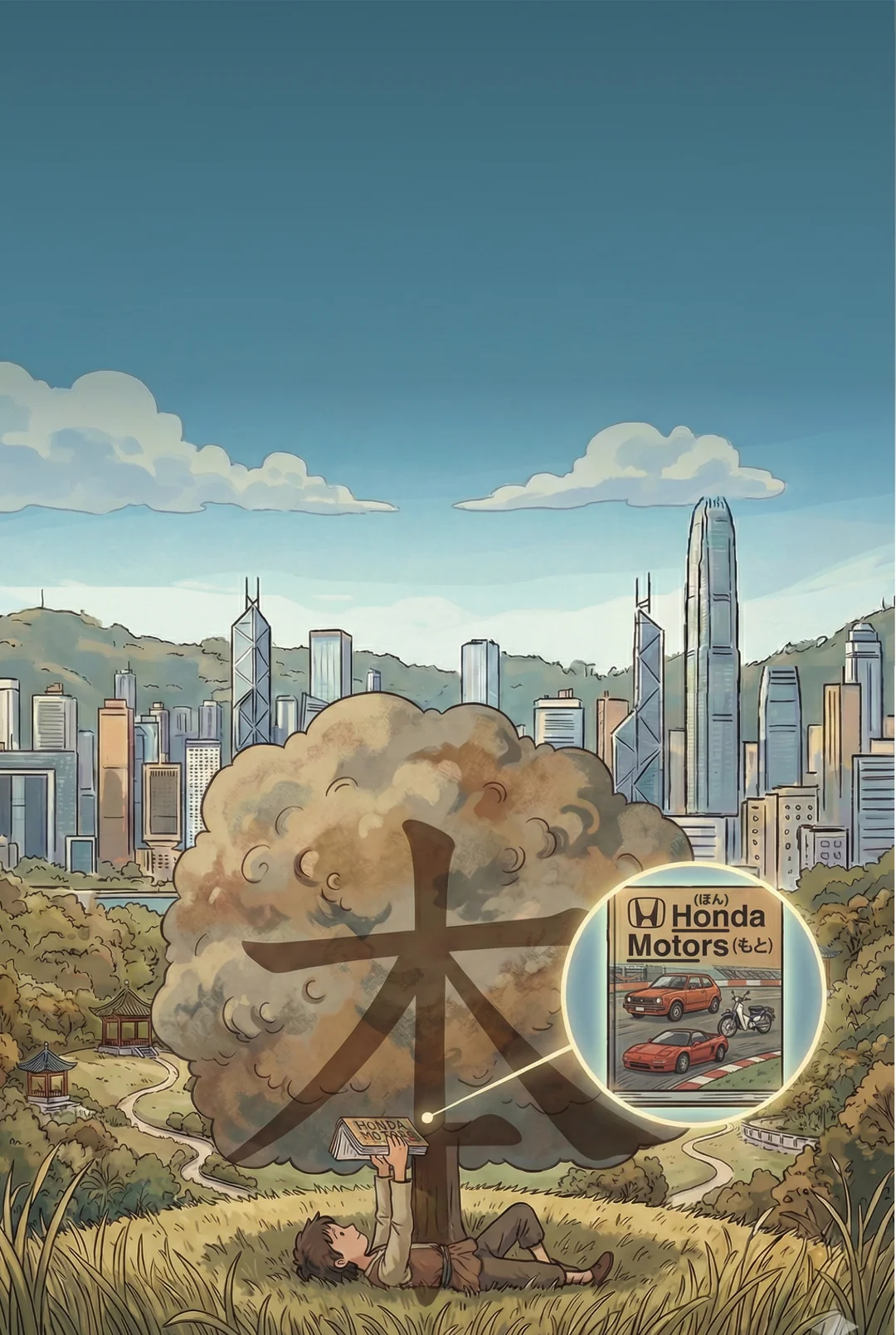
木 (Tree) vs 本 (Book/Origin) vs 休 (Rest) vs 体 (Body)
Adding a person (亻) or a root bar (一) to a tree (木) creates four of the most common kanji in Japanese.
Distinction Rule: 木 (Tree) • 本 (bar at the roots of the tree = Origin/Book) • 休 (person 亻 leaning against a tree 木 = Rest) • 体 (person 亻 + root/foundation 本 = Body).


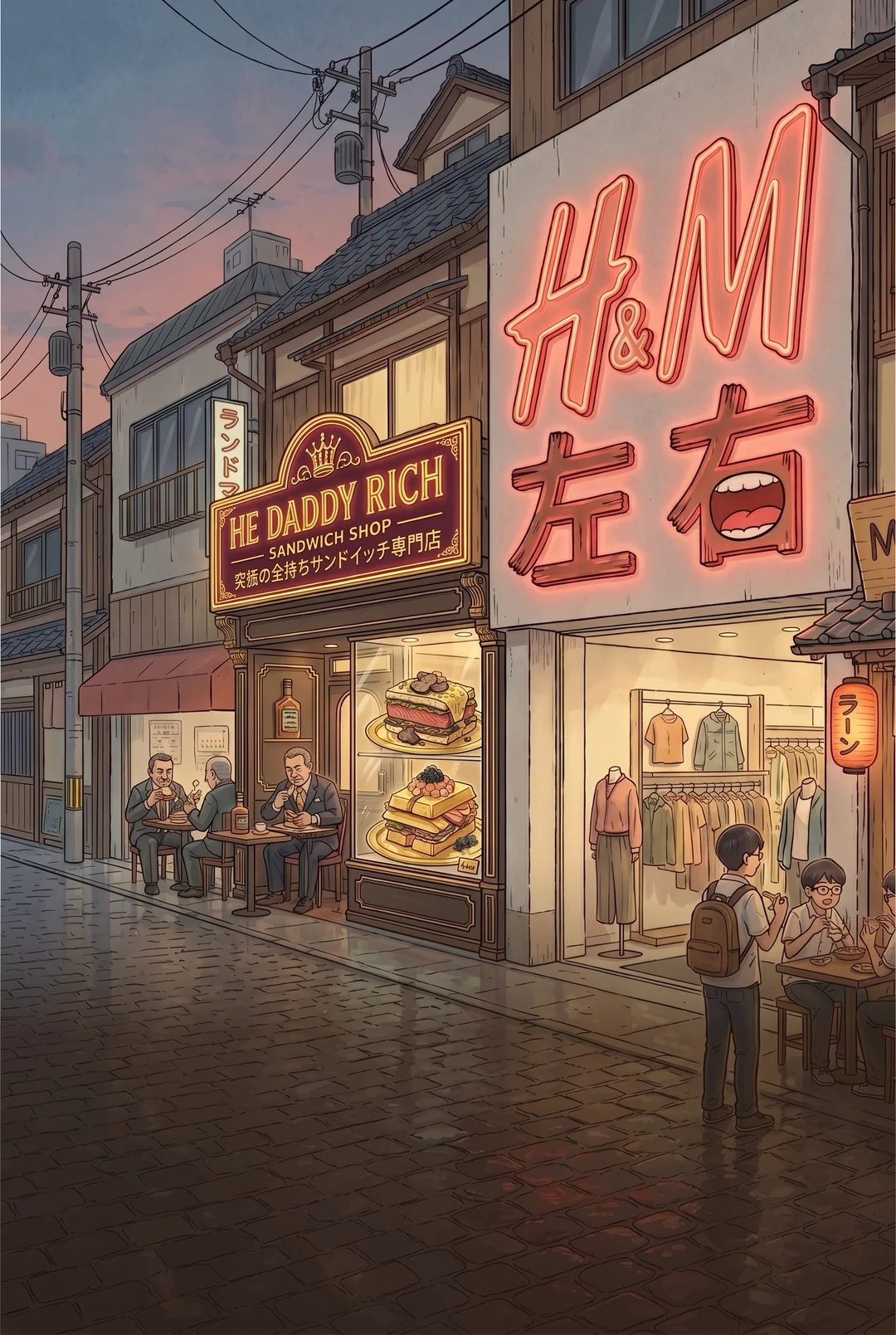
右 (Right) vs 左 (Left) vs 石 (Stone)
Right and Left look identical at the top — only the bottom component (mouth vs craft ruler) tells them apart.
Distinction Rule: 右 (mouth 口 at bottom = you eat with your Right hand) • 左 (work/craft エ at bottom = Left hand holds the ruler) • 石 (cliff + rock mouth = Stone).


親 (Parent) vs 新 (New) vs 立 (Stand)
親 (Parent) and 新 (New) share the exact same left side (立 + 木)! Look at the right side: See (見) vs Axe (斤).
Distinction Rule: 親 (standing 立 in a tree 木 watching 見 over their child = Parent) • 新 (chopping a tree with an axe 斤 for fresh wood = New).
言 (Say) vs 話 (Talk) vs 読 (Read) vs 買 (Buy)
Words (言) + tongue (舌) = Talk (話), while Words (言) + sell (売) = Read (読)!
Distinction Rule: 言 (sound waves rising from a mouth = Say) • 話 (words 言 + singing cat's tongue 舌 = Talk) • 読 (words 言 + sell 売 = Read) • 買 (net 罒 + shell money 貝 = Buy).



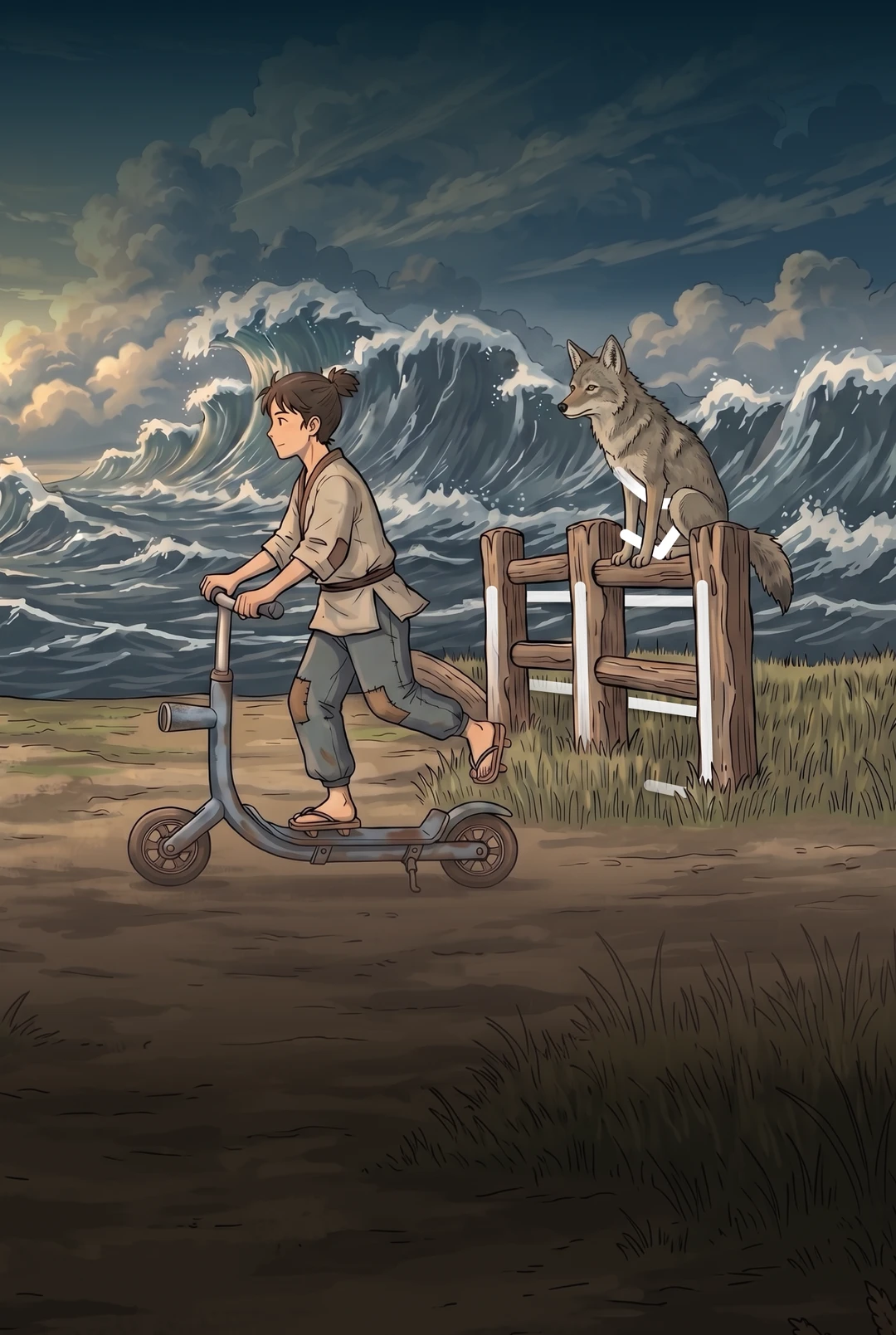
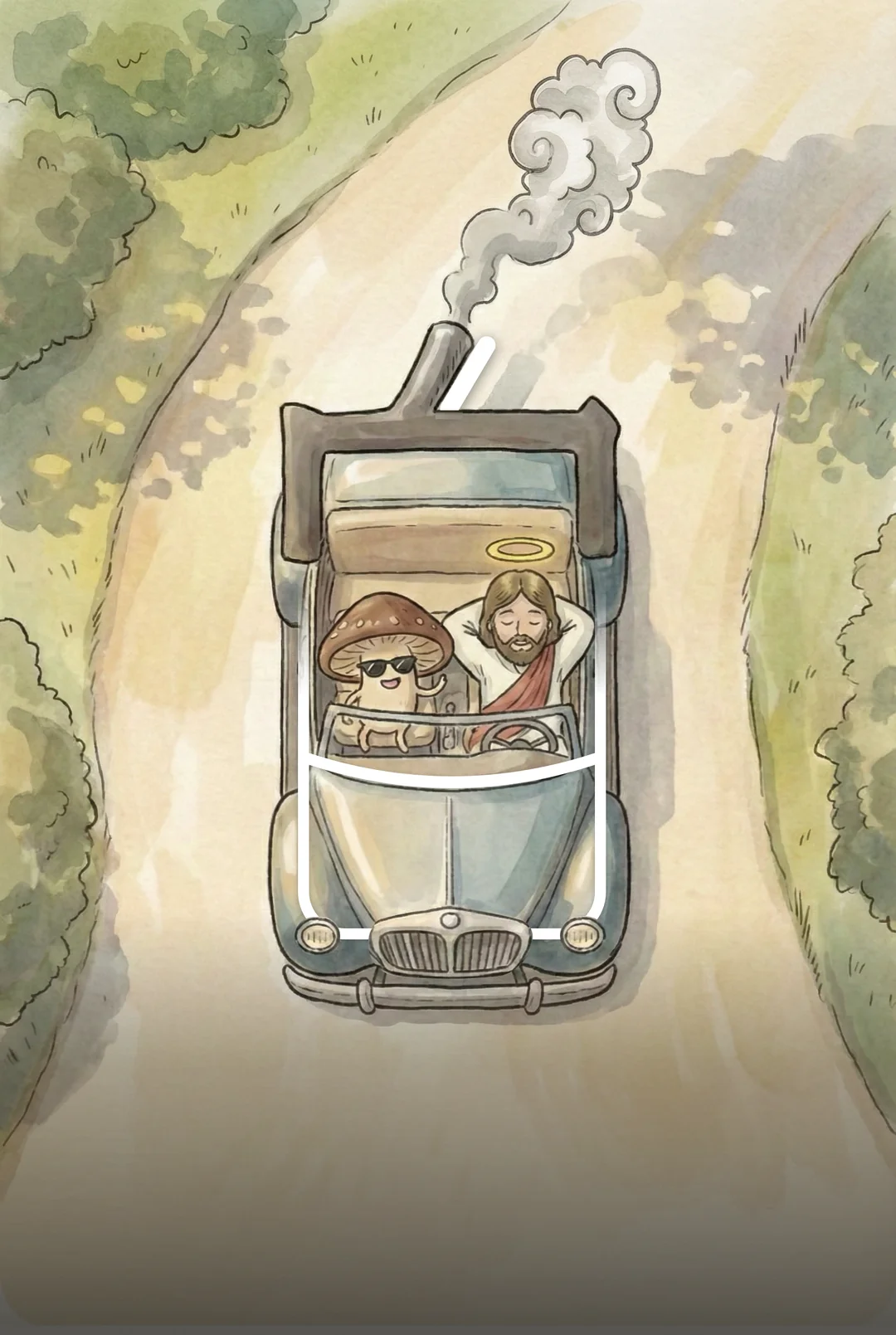
週 (Week) vs 通 (Pass Through) vs 進 (Advance) vs 送 (Send)
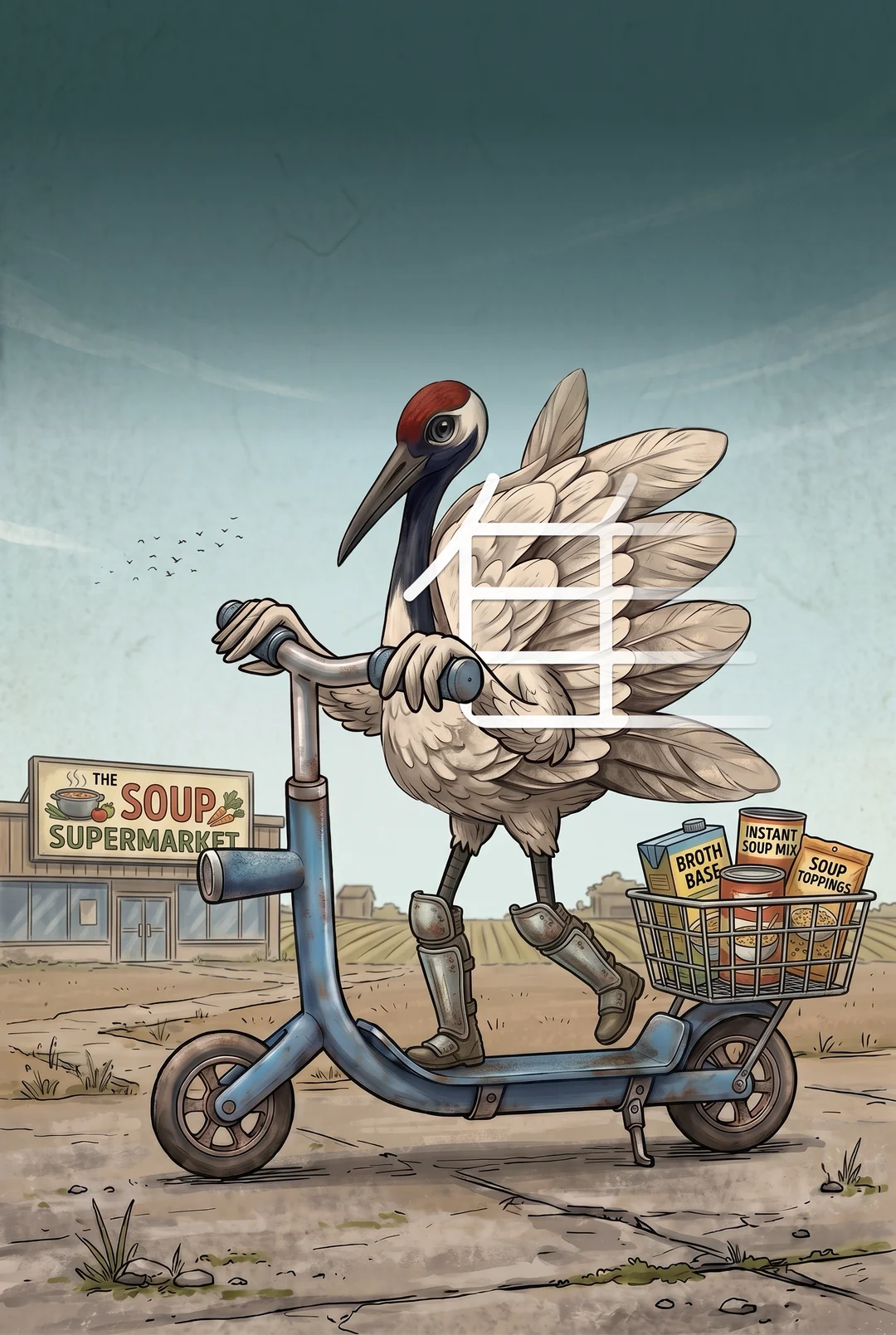
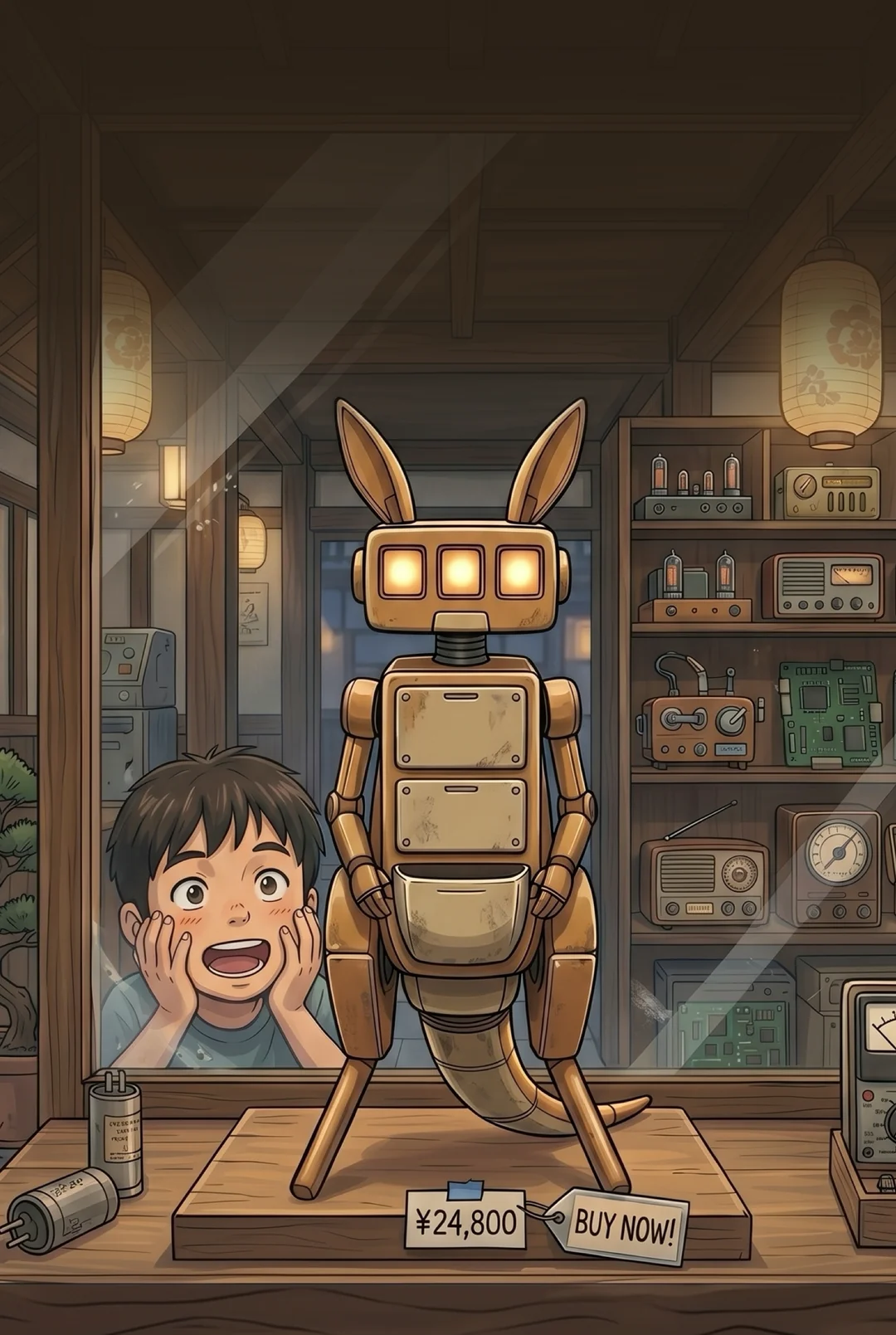
In Shibashi, the scooter radical (辶) always means movement down a road! What rides the scooter tells you the kanji.
Distinction Rule: 週 (church 周 on a scooter = Week) • 通 (passing through on a scooter = Pass Through) • 進 (bird 隹 advancing on a scooter = Advance) • 送 (sending a gift on a scooter = Send).