
Shibashi vs. WaniKani vs. Anki vs. RTK: Why Unified Visual + Reading Mnemonics Win
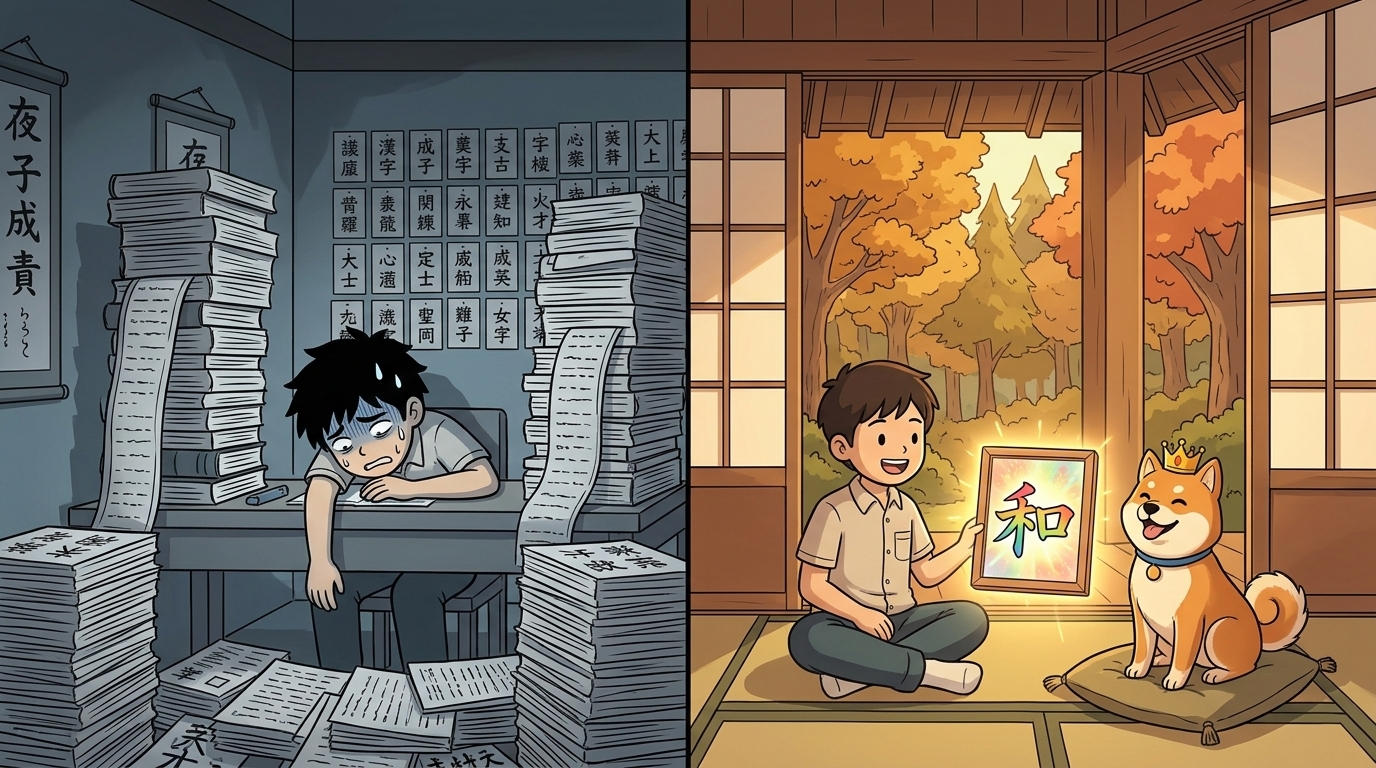
Most kanji apps force you to memorize a text story for the meaning, and then a second disconnected text story for the reading — or skip readings altogether. Here is how modern kanji systems compare.
If you search r/LearnJapanese for the best way to learn kanji, you will immediately run into four names: WaniKani, Heisig's Remembering the Kanji (RTK), Anki, and Shibashi. While all four reject old-school rote handwriting, they take drastically different approaches to how your brain stores meanings, readings, and visual shapes.
Side-by-Side Comparison: Shibashi vs. WaniKani vs. RTK vs. Anki
| Feature | Shibashi | WaniKani | Heisig RTK | Anki Decks |
|---|---|---|---|---|
| Mnemonic Format | Custom Full-Card Illustration + Unified Story | Text-only paragraphs (no illustrations) | Text-only keyword prompts | Depends on user-made deck |
| Meaning + Reading Integration | Combined in 1 single scene | Split into 2 separate text stories | Teaches 0 readings in Vol. 1 | Usually raw front/back text |
| Lookalike Kanji Grouping | 87 Visual Radical Families side-by-side | Scattered across 60 locked levels | Grouped by primitive, no readings | Random or frequency order |
| Pacing & Access | Study at your own speed (zero time-gates) | Strict SRS wait timers between levels | Self-paced book | Manual configuration required |
| Compound Vocabulary & Audio | Included with visual slices & native audio | Included (locked behind kanji timers) | None (English keywords only) | Varies by deck |
1. The Hidden Flaw in WaniKani: Two Separate Text Mnemonics
WaniKani deserves credit for introducing thousands of learners to radicals and Spaced Repetition (SRS). However, anyone who has pushed past Level 10 on WaniKani knows the wall of text fatigue that sets in:
- First, you read a paragraph of English text inventing a story for the radicals to explain the meaning.
- Next, you scroll down and read a second paragraph of English text inventing another story to explain the reading.
- Neither paragraph has an illustration — you have to close your eyes and try to conjure the picture yourself for hundreds of cards in a row.
Worse yet, because WaniKani gates its 60 levels behind strict wait timers, lookalike kanji like 待 (Wait), 持 (Hold), 特 (Special), and 時 (Time) are separated by weeks or months. By the time you unlock the third lookalike, the first two blur together.
2. How Shibashi Revolutionizes the Kanji Flashcard
Shibashi was designed around a simple question: What if the meaning, the radical structure, and the Japanese reading lived inside ONE custom illustration?
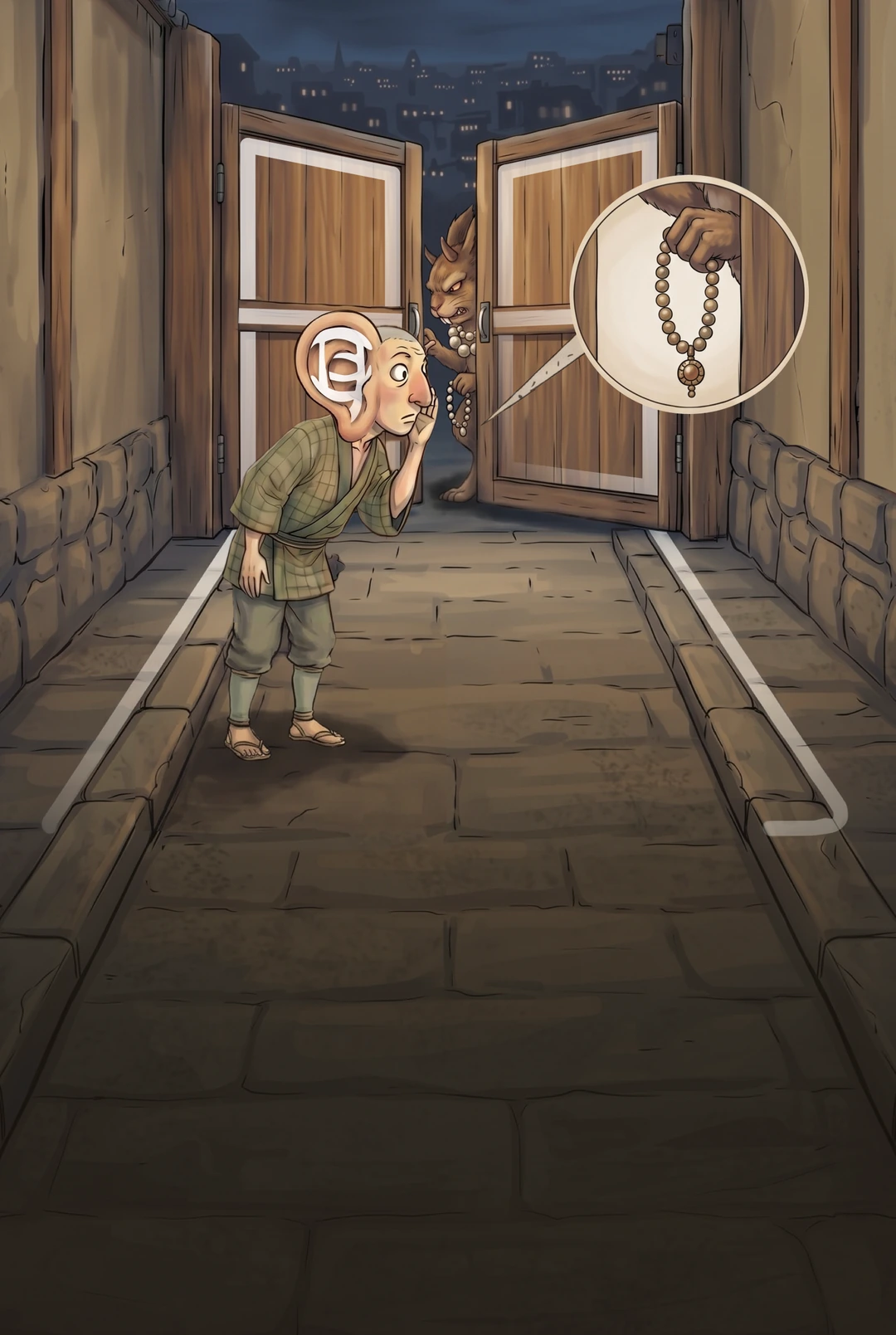
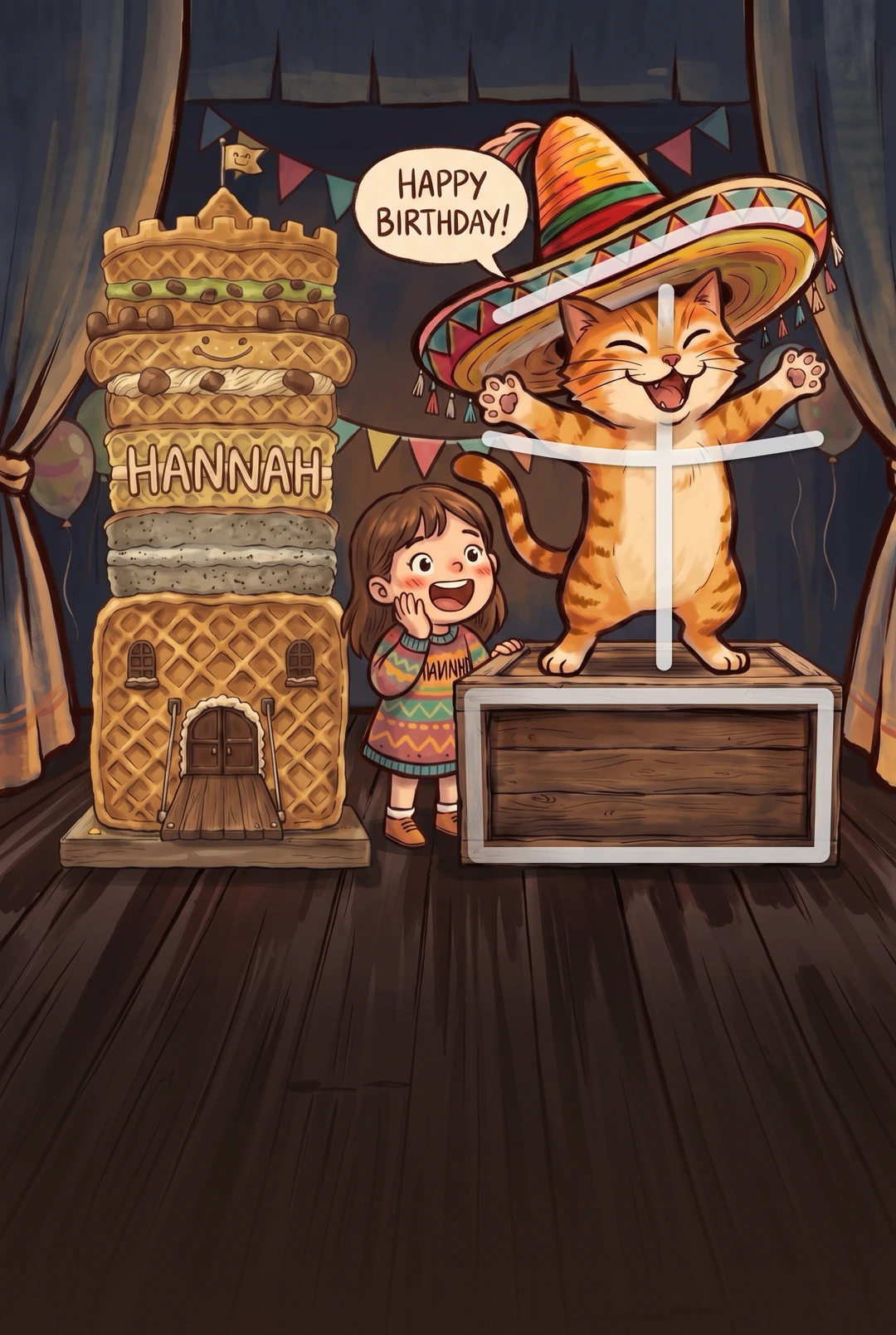
Inspect these two live Shibashi cards for 聞 (Hear) and 話 (Talk). Notice how the header shows the color-coded category, the kanji, the English meaning, and the clickable On'yomi/Kun'yomi readings, while the artwork and single-sentence overlay fuse the meaning and reading into one effortless memory:
3. What About Heisig's Remembering the Kanji (RTK) and Anki?
Remembering the Kanji (RTK) by James Heisig asks you to memorize 2,200 English keywords before learning a single Japanese pronunciation or vocabulary word. While you learn to recognize shapes, you cannot actually read Japanese sentences or pass a JLPT exam until you go back and re-learn all 2,200 characters a second time for their readings.
Anki is a powerful open-source SRS scheduler, but you spend hours tweaking deck settings, installing add-ons, and staring at plain black-and-white text cards.
Shibashi gives you the best of every world: instant visual recognition (faster than RTK), unified reading + meaning stories (more cohesive than WaniKani), and smart SRS scheduling with zero setup required (simpler than Anki).
Common Questions Answered
What is the biggest difference between Shibashi and WaniKani?
WaniKani uses text-only paragraphs and splits every kanji into two separate mnemonics: one story for the English meaning and a second story for the Japanese reading. Shibashi combines the radical breakdown, English meaning, AND primary Japanese reading into ONE custom-illustrated flashcard, and lets you study by Visual Radical Families without rigid time-locks.
Why is Remembering the Kanji (Heisig RTK) controversial?
Heisig's Remembering the Kanji teaches only English keywords and skips Japanese pronunciations (On'yomi/Kun'yomi) and real vocabulary words in Volume 1. Learners often spend months memorizing 2,000 English keywords while still being unable to pronounce a single Japanese sentence.