味 (Taste / Flavor) vs. 妹 (Younger Sister) & 意味 (Meaning): Mouth (口) + 未 (Not Yet) Kanji
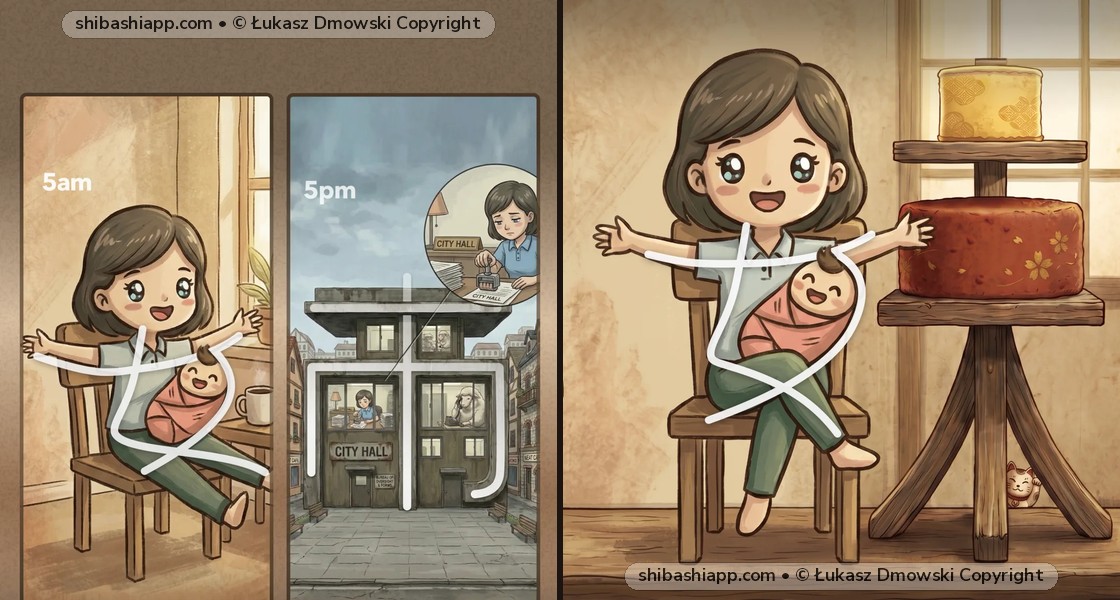
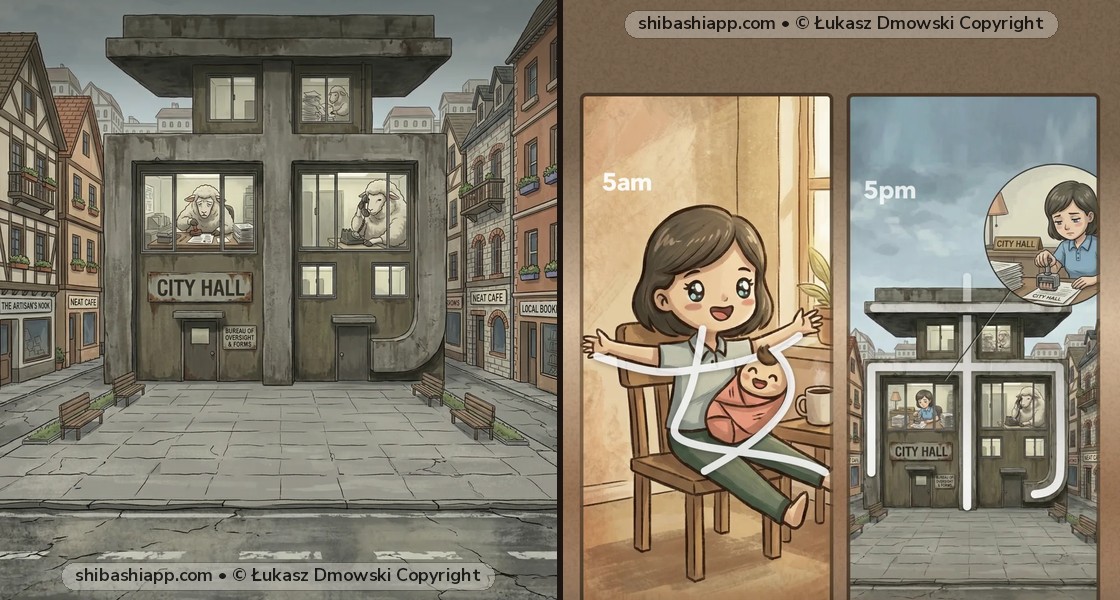
Put a Woman (女) next to 未 (Not Yet) and you get 妹 (Younger Sister — not yet grown up). Put a Mouth (口) next to 未 (Not Yet) and you get 味 (Taste / Flavor — tasting food that is not yet finished cooking)!
Look at the right half of 味 (Taste — aji / mi) and 妹 (Younger Sister — imōto): both use 未 (Not Yet — mi) with the short top horizontal line! Even better, 未 (mi) gives its exact On'yomi reading ミ (mi) directly to 味 (mi)!
Quick Comparison: 味 (Taste, Flavor) vs. 妹 (Younger Sister) vs. 未 (Not Yet) vs. 意 (Meaning)
Compare 味, 妹, 未, and 意 in the table below:
| Kanji & Meaning | Primary Readings (Bold = Primary) | Shibashi Visual Mnemonic Hook | Common Compound Word |
|---|---|---|---|
| 味 — Taste, Flavor | On: み Kun: あじ |
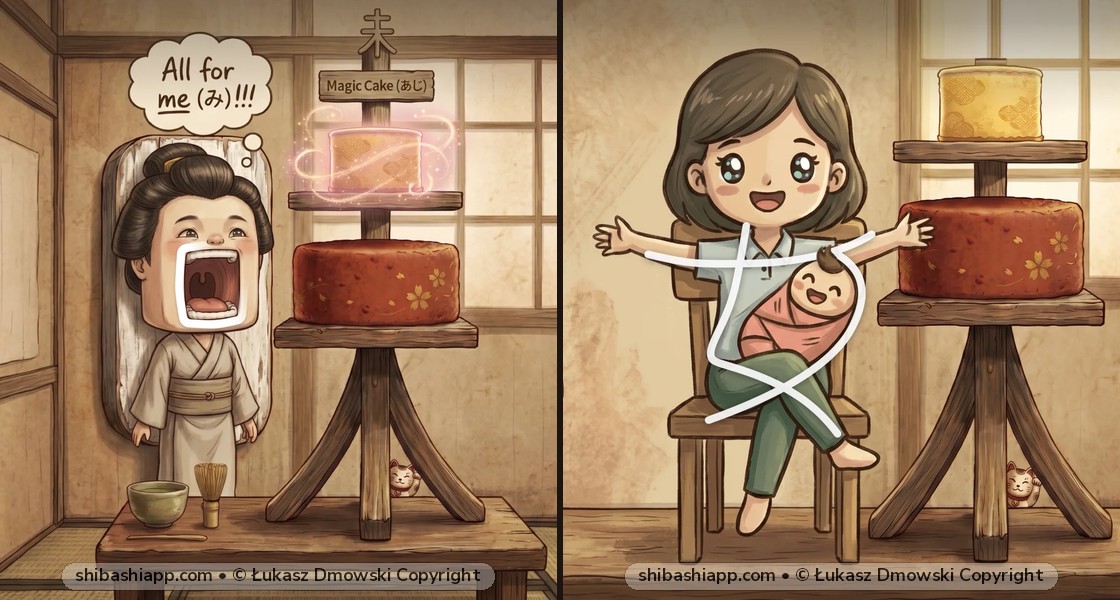
口 (Mouth) on the left + 未 (Not yet, mi) on the right = sampling food with your mouth = TASTE / FLAVOR (aji / mi). | 意味 (いみ) — meaning, significance, sense |
| 妹 — Younger Sister | On: まい Kun: — |
女 (Woman) on the left + 未 (Not yet) on the right = a girl who is not yet grown up = YOUNGER SISTER (imōto / mai). | 姉妹 (しまい) — sisters |
| 未 — Not Yet | On: み Kun: ま, いま |
Tree with a SHORT top branch (still growing) = NOT YET (mi / mada, as in 未来 mirai). | 未来 (みらい) — (distant) future |
| 意 — Meaning | On: い Kun: — |
音 (Sound) over 心 (Heart) = IDEA / THOUGHT (i, combines with 味 for 意味 imi 'Meaning'). | 意味 (いみ) — meaning |
Side-by-Side Illustrated Kanji Flashcards (Tap Readings for Audio)
Compare the custom Shibashi artwork for 味 (Taste, Flavor) and 妹 (Younger Sister) below. Notice how each illustration embeds both the English meaning and the primary Japanese reading directly into the scene, and tap any reading to hear native pronunciation:


Step-by-Step Visual Breakdown & Radical Rules
See why 味 (Taste) appears in two of the most common N4 abstract nouns: 意味 (imi — meaning) and 趣味 (shumi — hobby):
1. 味 (Taste, Flavor) — Mnemonic Story & Readings
On'yomi: み | Kun'yomi: あじ
Shibashi Visual Story: “All for me!! (み) The girl loves the taste of the magic (あじ) cake so much, she does not share it...” Key visual distinction: 口 (Mouth) on the left + 未 (Not yet, mi) on the right = sampling food with your mouth = TASTE / FLAVOR (aji / mi).
2. 妹 (Younger Sister) — Mnemonic Story & Readings
On'yomi: まい | Kun'yomi: —
Shibashi Visual Story: “I baked two cakes for my (まい) precious younger sister.” Key visual distinction: 女 (Woman) on the left + 未 (Not yet) on the right = a girl who is not yet grown up = YOUNGER SISTER (imōto / mai).
- 姉妹 (しまい): sisters
3. 未 (Not Yet) — Mnemonic Story & Readings
On'yomi: み | Kun'yomi: ま, いま
Shibashi Visual Story: “Flying on a mini (み) Lima (いま) Air plane, your maa (ま) keeps asking "Are we there yet?"... "Not yet maa"...” Key visual distinction: Tree with a SHORT top branch (still growing) = NOT YET (mi / mada, as in 未来 mirai).
4. 意 (Meaning) — Mnemonic Story & Readings
On'yomi: い | Kun'yomi: —
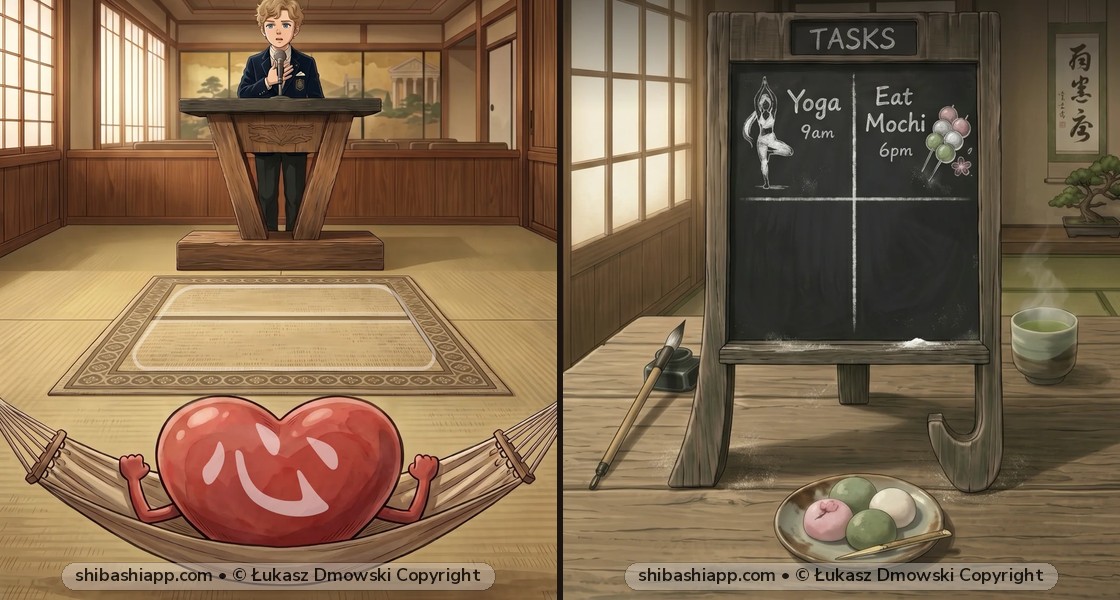
Shibashi Visual Story: “Each (い) day the boy talks to his heart, hoping to find the meaning...” Key visual distinction: 音 (Sound) over 心 (Heart) = IDEA / THOUGHT (i, combines with 味 for 意味 imi 'Meaning').
- 意味 (いみ): meaning
Essential Japanese Vocabulary Words Using 味 / 妹 / 未 / 意
Once you can recognize 味 (Taste, Flavor) and 妹 (Younger Sister) and 未 (Not Yet) individually, lock them into your active reading vocabulary with these high-frequency Japanese words from the Shibashi app:
| Japanese Word | Hiragana Reading | English Meaning | Level |
|---|---|---|---|
| 意味 | いみ | meaning, significance, sense | JLPT |
| 味 | あじ | flavour | JLPT |
| 姉妹 | しまい | sisters | JLPT |
| 未来 | みらい | (distant) future | JLPT |
| 未だ | まだ | yet, still, more, besides | JLPT |
| 未婚 | みこん | unmarried, single | JLPT |
5-Second Memory Summary: How to Never Mix Up 味 & 妹 & 未 Again
口 (Mouth) + 未 (Not Yet, mi) = 味 (Taste — あじ aji / ミ mi). And why is 'meaning' written 意味 (imi)? Because it literally means the 'flavor (味) of your heart's thought (意)'!