Japanese Family Kanji Guide: 父 (Father), 母 (Mother), 姉 (Older Sister), 妹 (Younger Sister), 兄 & 弟
'Kanji for father', 'kanji for older sister', and 'kanji for parents' rank at the very top of Google's kanji search volume. Here is how Shibashi's visual stories make all 7 family kanjis impossible to mix up.
Japanese family vocabulary has a unique cultural twist: you use a short humble word when talking about your OWN family to outsiders, and a longer honorific word when talking about SOMEONE ELSE'S family (or addressing your own parents/older siblings directly)! Best of all, both words use the exact same kanji.
1. Complete Japanese Family Kanji Table (My Family vs. Someone Else's Family)
| Family Member | Kanji | My Own Family (Humble) | Someone Else's / Direct Address (Polite) |
|---|---|---|---|
| Father | 父 | ちち (chichi) | お父さん (おとうさん otōsan) |
| Mother | 母 | はは (haha) | お母さん (おかあさん okāsan) |
| Older Sister | 姉 | あね (ane) | お姉さん (おねえさん onēsan) |
| Younger Sister | 妹 | いもうと (imōto) | 妹さん (いもうとさん imōtosan) |
| Older Brother | 兄 | あに (ani) | お兄さん (おにいさん oniisan) |
| Younger Brother | 弟 | おとうと (otōto) | 弟さん (おとうとさん otōtosan) |
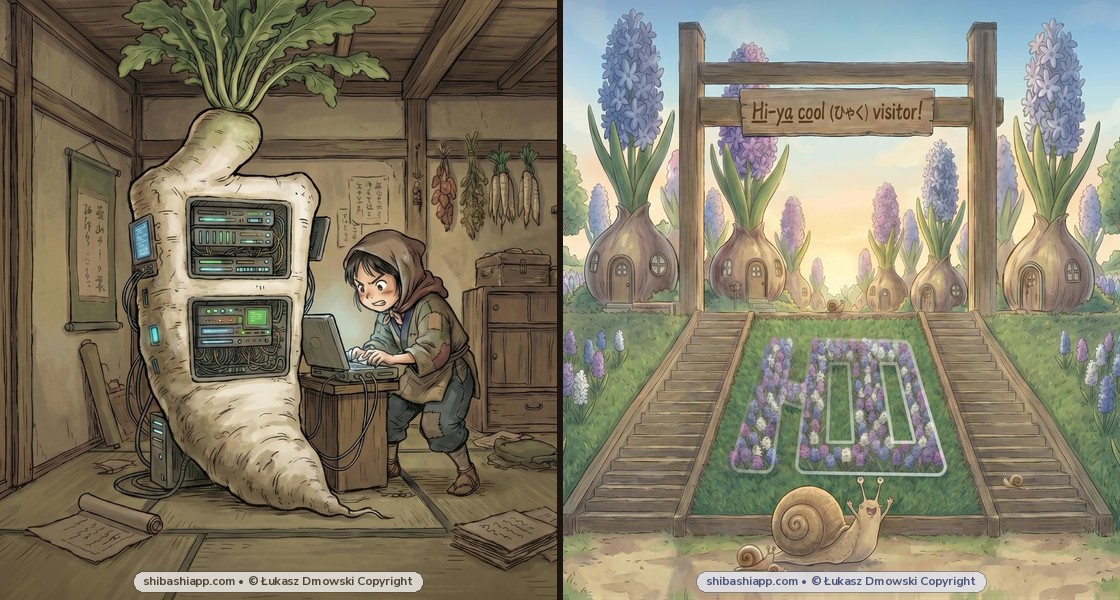
And when referring to Parents (親 — おや oya / しん shin) as a whole: a proud parent watches his son present his revolutionary shiitake (した shita) cream for shins (しん shin, as in 両親 ryōshin 'both parents'). "O ya!!" (おや oya):
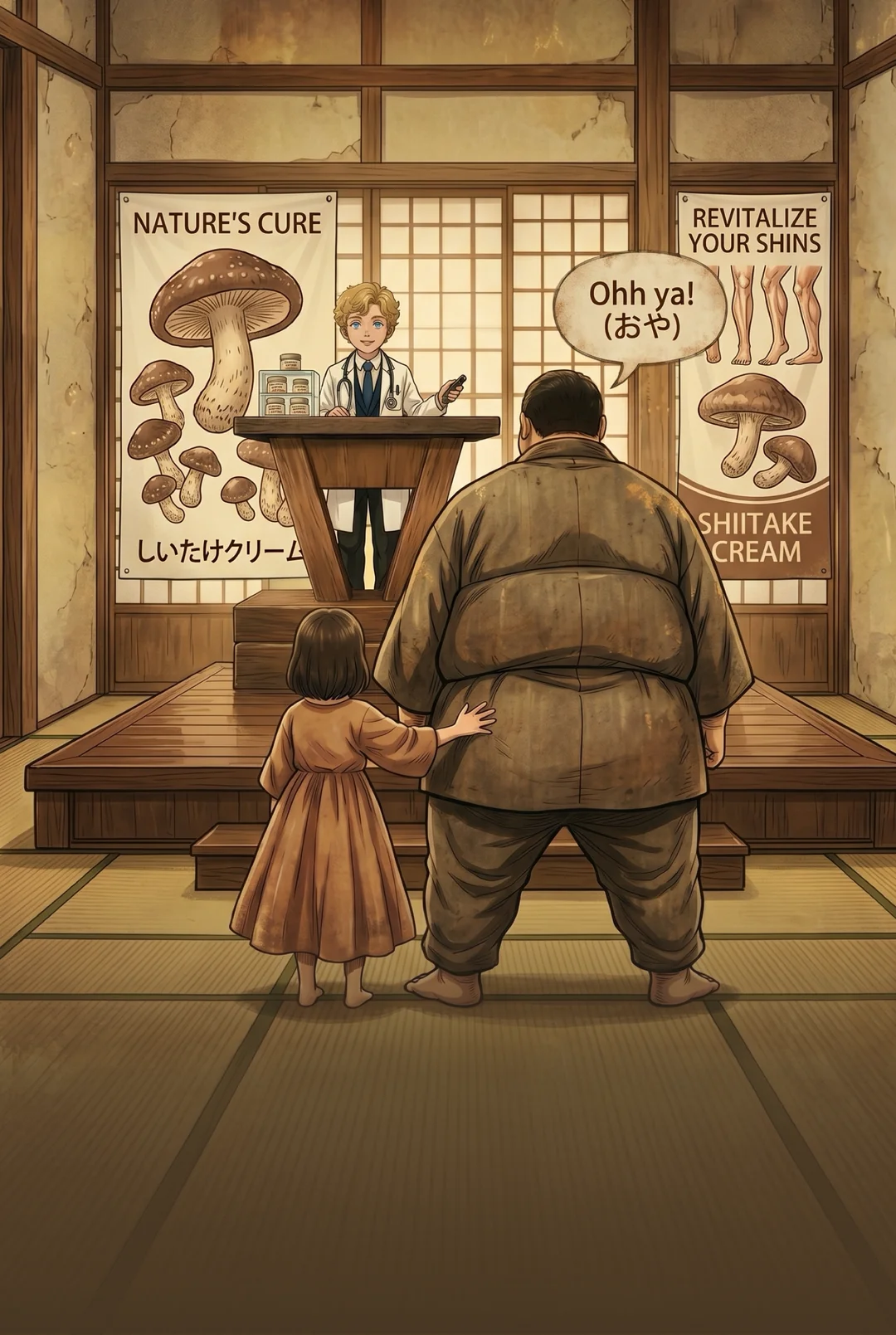
2. Parents: 父 (Father — ちち / ふ) & 母 (Mother — はは / ぼ)
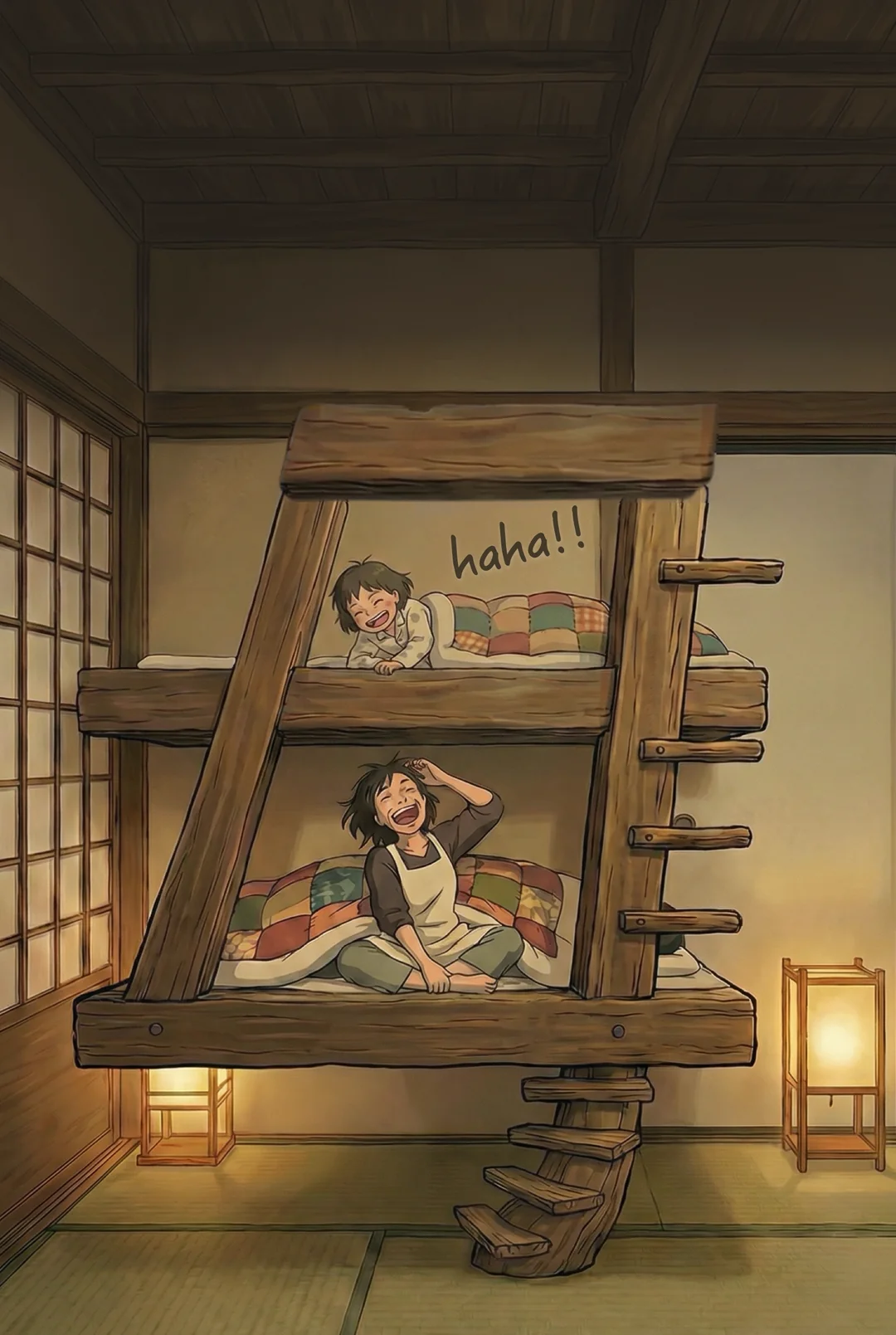
See how Shibashi locks in both the humble Kun'yomi (ちち / はは) and the On'yomi (ふ / ぼ, used in 父母 fubo) in one scene:
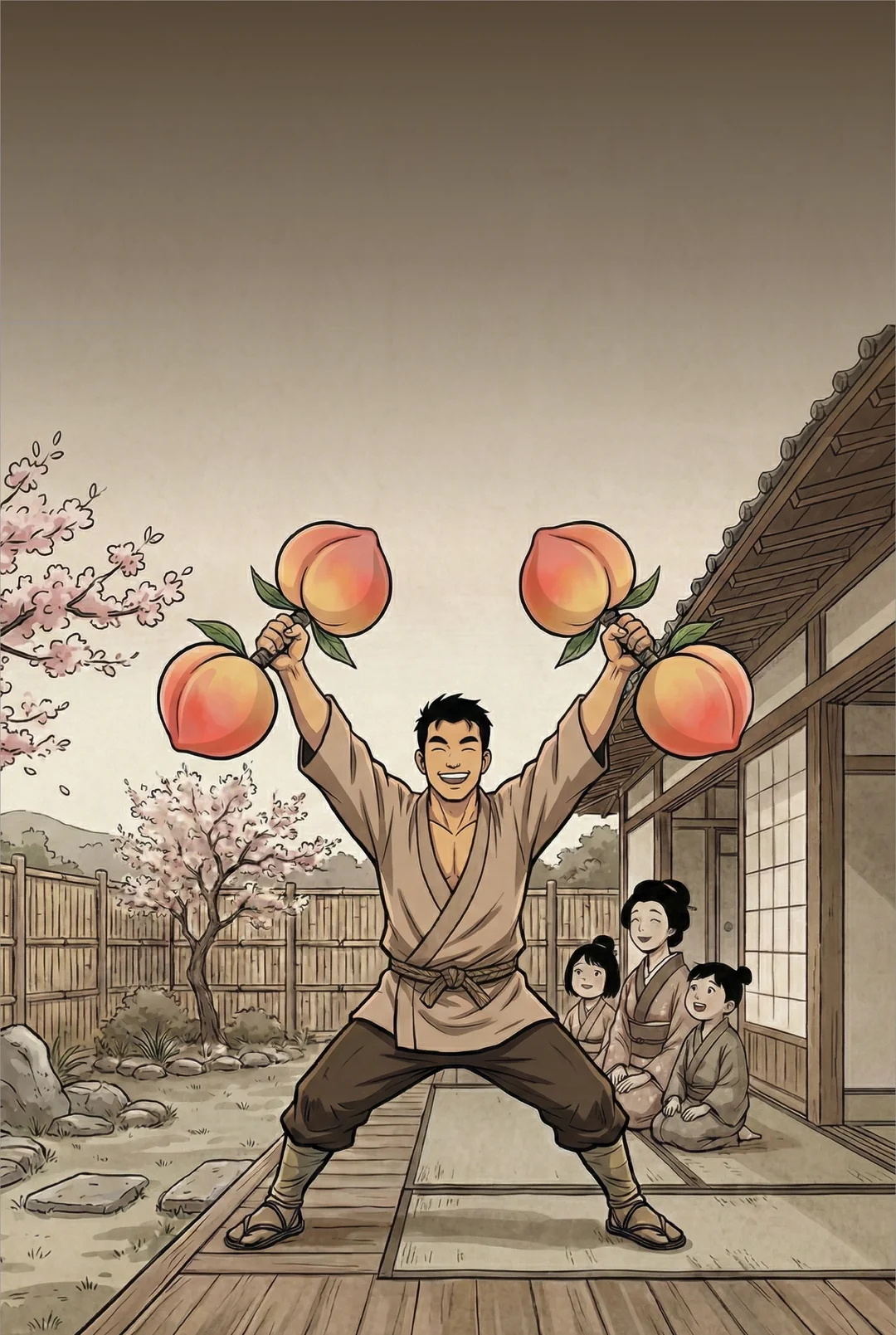
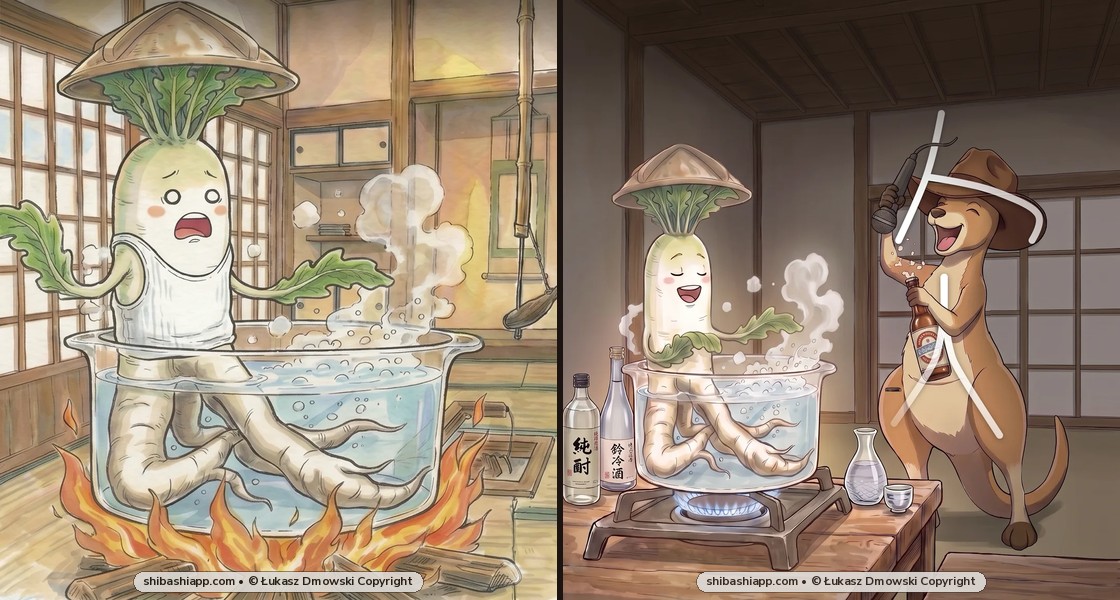
- 父 (Father — ちち chichi / ふ fu): Father stays strong by exercising using food (ふ fu): cheeky peachy (ちち chichi) dumbbells!
- 母 (Mother — はは haha / ぼ bo): With Mom I'm never bored (ぼ bo), it's always a haha (はは haha) time!!
3. Sisters: 姉 (Older Sister = Woman 女 + City 市) vs. 妹 (Younger Sister = Woman 女 + Not Yet 未)
Both sister kanjis start with 女 (Woman) on the left. Look at the right-hand component to tell them apart in a split second:
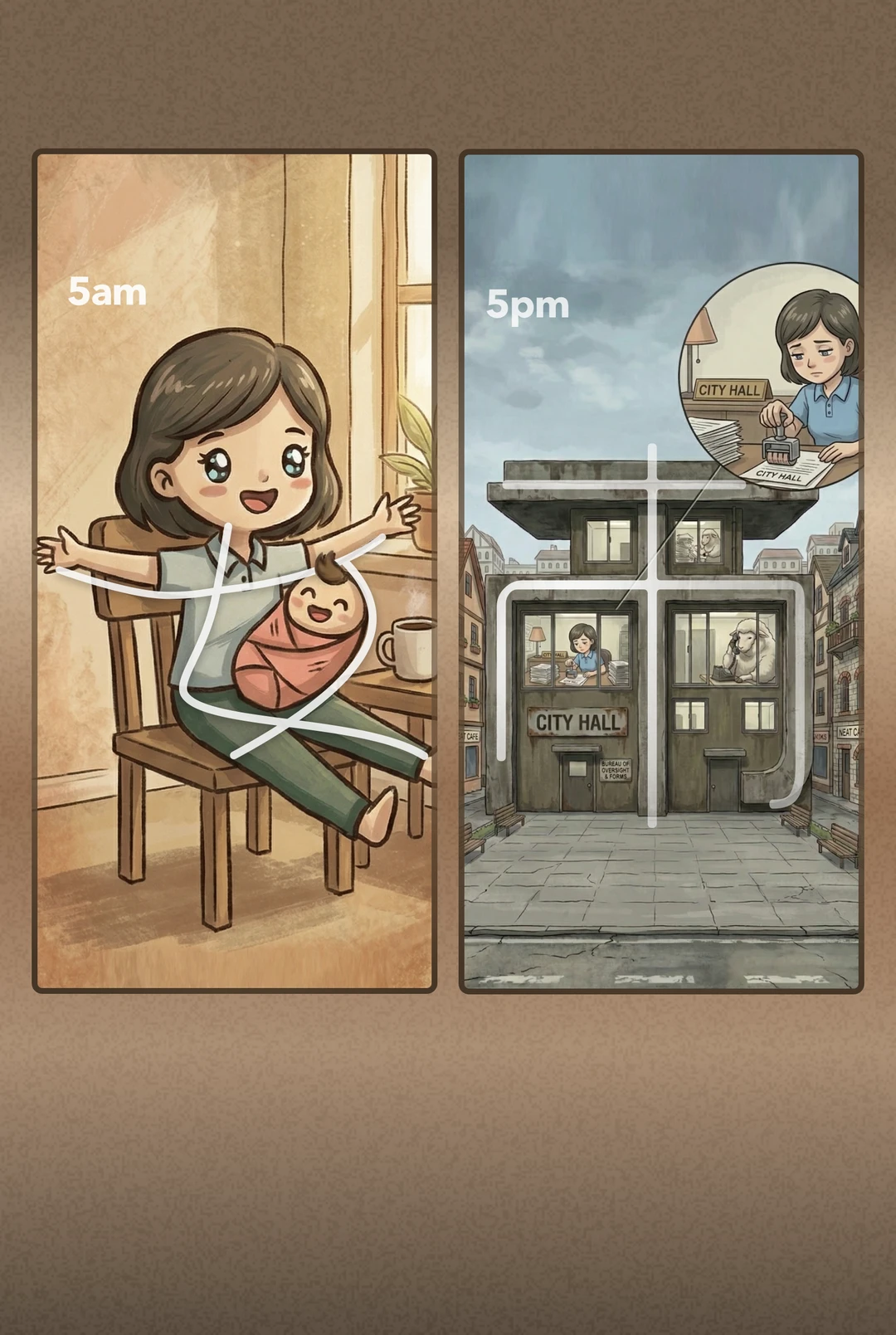

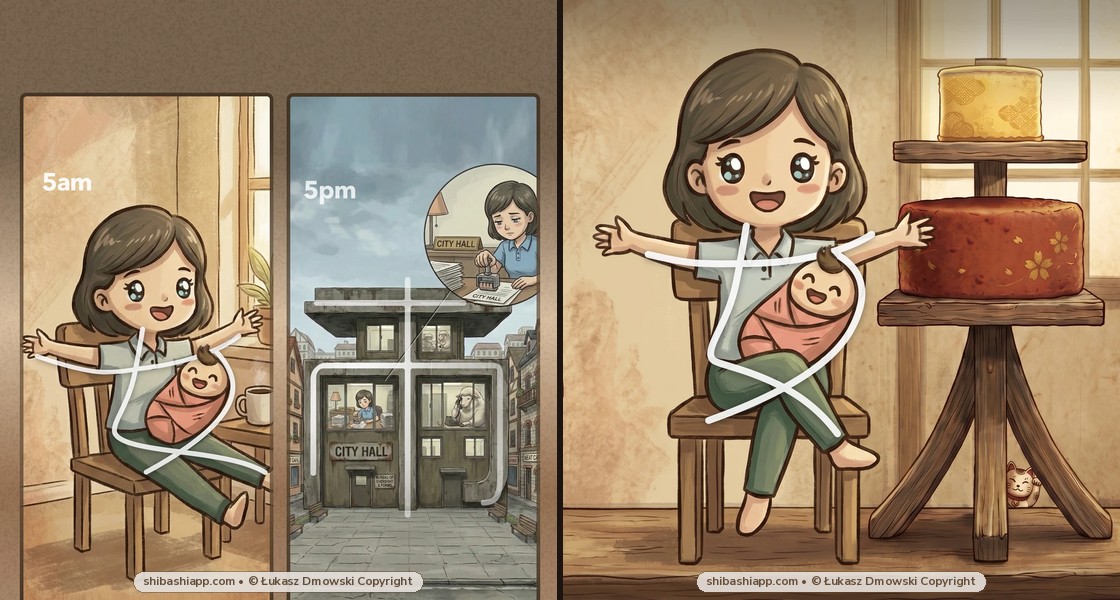
- 姉 (Older Sister — あね ane / し shi): Right side is 市 (City)! Your older sister Ann (あね ane), she (し shi, as in 姉妹 shimai 'sisters') is now a city (市) woman (女), always (お o) busy!
- 妹 (Younger Sister — いもうと imōto / まい mai): Right side is 未 (Not Yet) — because your younger sister is not yet grown up! In the card's two-tiered cake shape: "I baked two cakes for my (まい mai) precious younger sister."
4. Brothers: 兄 (Older Brother — きょう / けい) vs. 弟 (Younger Brother — だい / で / てい)
Put 兄 and 弟 together and you get the super-common word 兄弟 (きょうだい kyōdai — siblings / brothers):
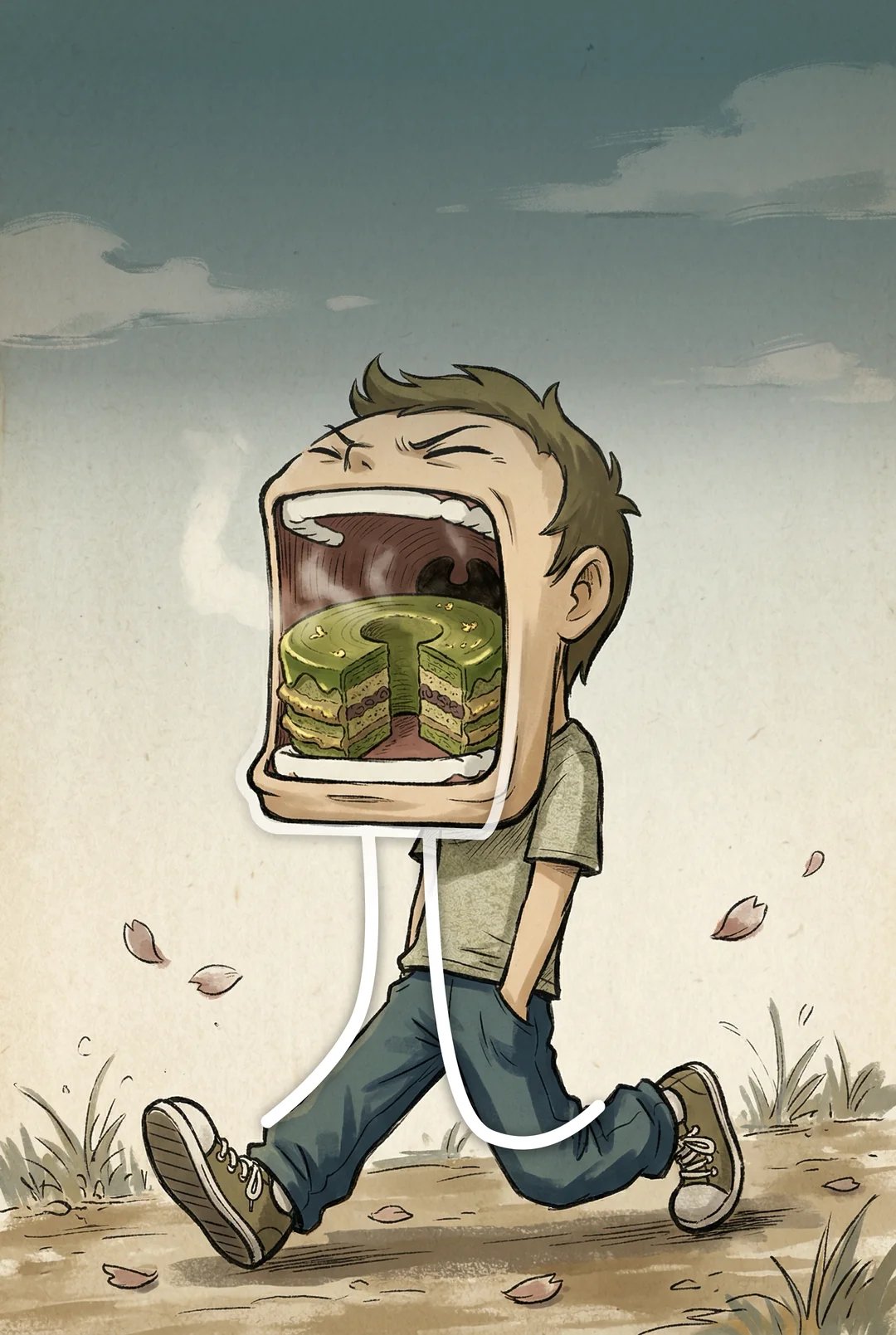

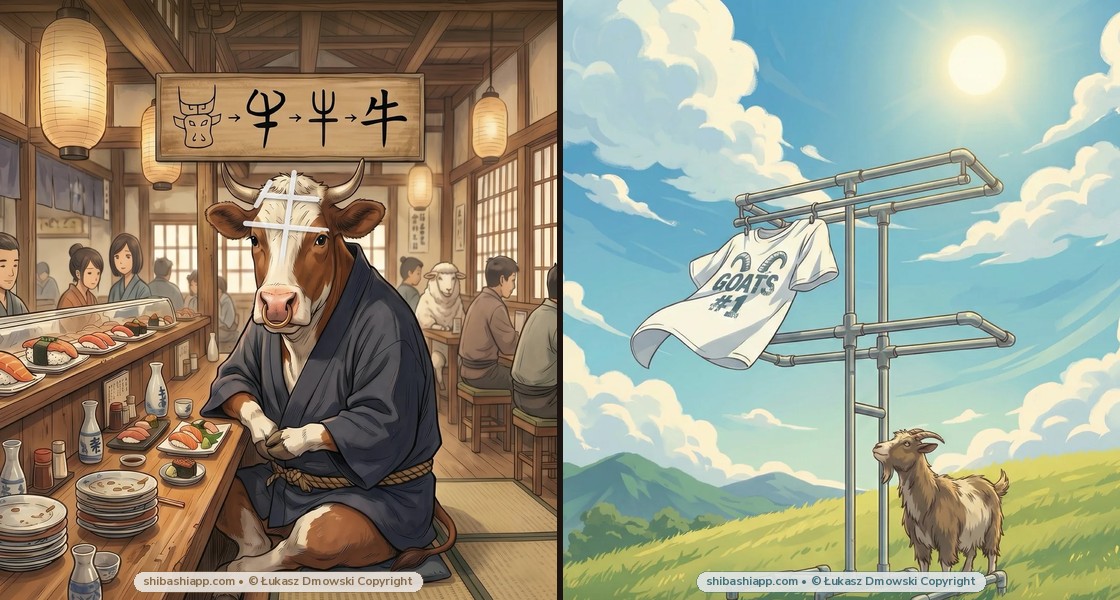
- 兄 (Older Brother — あに ani / きょう kyō / けい kei): Giant open mouth (口) on legs (儿)! Your older brother can fit the whole Kyoto (きょう kyō) cake (けい kei) in his mouth!
- 弟 (Younger Brother — おとうと otōto / だい dai / で de / てい tei): As part of his daily (で de) diet (だい dai), your younger brother does a taped (てい tei) hopsack session!
Frequently Asked Questions
How do you tell 姉 (Older Sister) and 妹 (Younger Sister) apart in kanji?
Both have the Woman radical (女) on the left! 姉 (Older Sister — ane / shi) has 市 (City) on the right: your older sister Ann (あね), she (し) is now a busy city woman! 妹 (Younger Sister — imōto / mai) has 未 (Not Yet) on the right: your younger sister is 'not yet' grown up, and you baked two cakes for 'my' (まい) precious younger sister!
Why does Japanese have two words for Father (ちち vs お父さん) and Mother (はは vs お母さん)?
When speaking to outsiders ABOUT your own family, you use short humble words: 父 (ちち chichi), 母 (はは haha), 兄 (あに ani), 姉 (あね ane). When addressing them directly or talking about SOMEONE ELSE'S family, you use polite honorific forms: お父さん (otōsan), お母さん (okāsan), お兄さん (oniisan), お姉さん (onēsan).