借りる (Kariru — Borrow) vs. 貸す (Kasu — Lend): How to Never Mix Up Borrow & Lend in Japanese
Even advanced learners mix up 借りる (kariru — to borrow) and 貸す (kasu — to lend). Look at the radicals — 亻+昔 vs. 代+貝 — plus our 2-second vowel trick and you will never swap them again.
Look at the structure of the two kanjis: 借 (Borrow — kariru) is split left-to-right (亻 Person + 昔), whereas 貸 (Lend — kasu) is stacked top-to-bottom (代 Substitute over 貝 Money)!
Quick Comparison: 借 (Borrow) vs. 貸 (Lend) vs. 代 (Substitute) vs. 買 (Buy)
Compare 借 (Borrow), 貸 (Lend), 代 (Substitute/Fee), and 買 (Buy) below:
| Kanji & Meaning | Primary Readings (Bold = Primary) | Shibashi Visual Mnemonic Hook | Common Compound Word |
|---|---|---|---|
| 借 — Borrow | On: しゃく Kun: か |
亻 (Person) on the left + 昔 (Long ago) on the right = a person borrowing something for a while = BORROW / RENT (kariru / shaku). | 借りる (かりる) — to borrow |
| 貸 — Lend | On: たい Kun: か |
代 (Substitute) on top + 貝 (Shell Money) on the bottom = handing over money in someone's place = LEND / RENT OUT (kasu / tai). | 貸す (かす) — to lend |
| 代 — Substitute | On: だい, たい Kun: — |
亻 (Person) + 弋 (Stake) = standing in for another person = SUBSTITUTE / ERA / FEE (kawaru / dai / yo). | 時代 (じだい) — period, epoch, era, age |
| 買 — Buy | On: ばい Kun: か |
罒 (Net) over 貝 (Shell Money) = netting goods with money = BUY (kau / bai). | 買う (かう) — to buy |
Side-by-Side Illustrated Kanji Flashcards (Tap Readings for Audio)
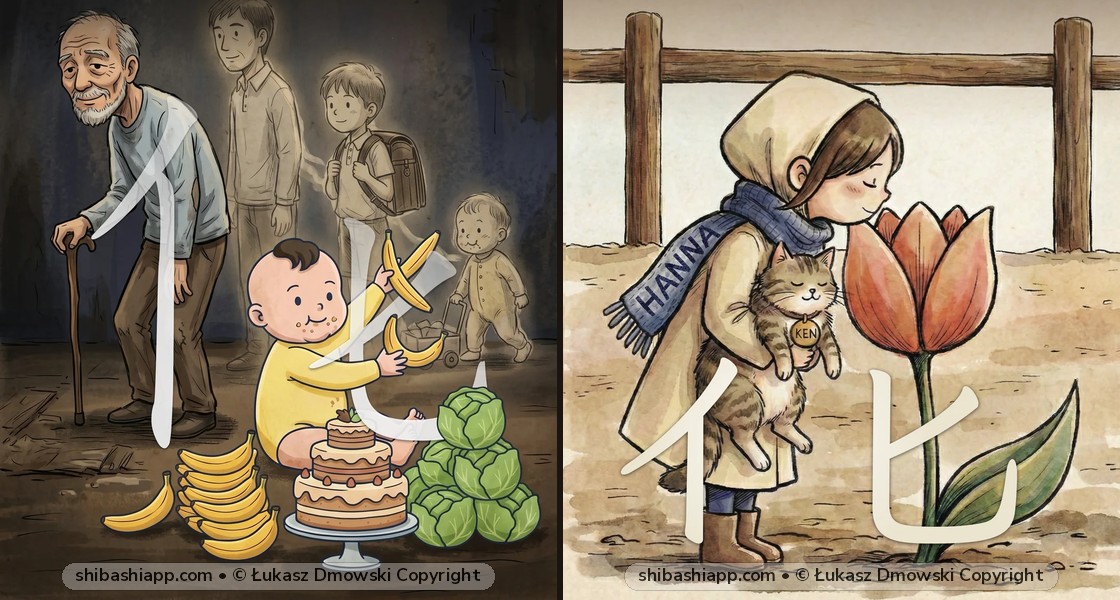
Compare the custom Shibashi artwork for 借 (Borrow) and 貸 (Lend) below. Notice how each illustration embeds both the English meaning and the primary Japanese reading directly into the scene, and tap any reading to hear native pronunciation:


Step-by-Step Visual Breakdown & Radical Rules
Combine the visual radical difference with this classic phonetic shortcut:
1. 借 (Borrow) — Mnemonic Story & Readings
On'yomi: しゃく | Kun'yomi: か
Shibashi Visual Story: “If you borrow money you may end up in shackles (しゃく) in your silly kangaroo (か) outfit...” Key visual distinction: 亻 (Person) on the left + 昔 (Long ago) on the right = a person borrowing something for a while = BORROW / RENT (kariru / shaku).
- 借りる (かりる): to borrow
2. 貸 (Lend) — Mnemonic Story & Readings
On'yomi: たい | Kun'yomi: か
Shibashi Visual Story: “When the couple decided to tie (たい) the knot, their friend lent them his camera (か) robot.” Key visual distinction: 代 (Substitute) on top + 貝 (Shell Money) on the bottom = handing over money in someone's place = LEND / RENT OUT (kasu / tai).
- 貸す (かす): to lend
3. 代 (Substitute) — Mnemonic Story & Readings
On'yomi: だい, たい | Kun'yomi: —
Shibashi Visual Story: “The man gave the girl a diamond (だい) ring and decided to tie (たい) the knot once he realized, there is no substitute...” Key visual distinction: 亻 (Person) + 弋 (Stake) = standing in for another person = SUBSTITUTE / ERA / FEE (kawaru / dai / yo).
- 時代 (じだい): period, epoch, era, age
4. 買 (Buy) — Mnemonic Story & Readings
On'yomi: ばい | Kun'yomi: か
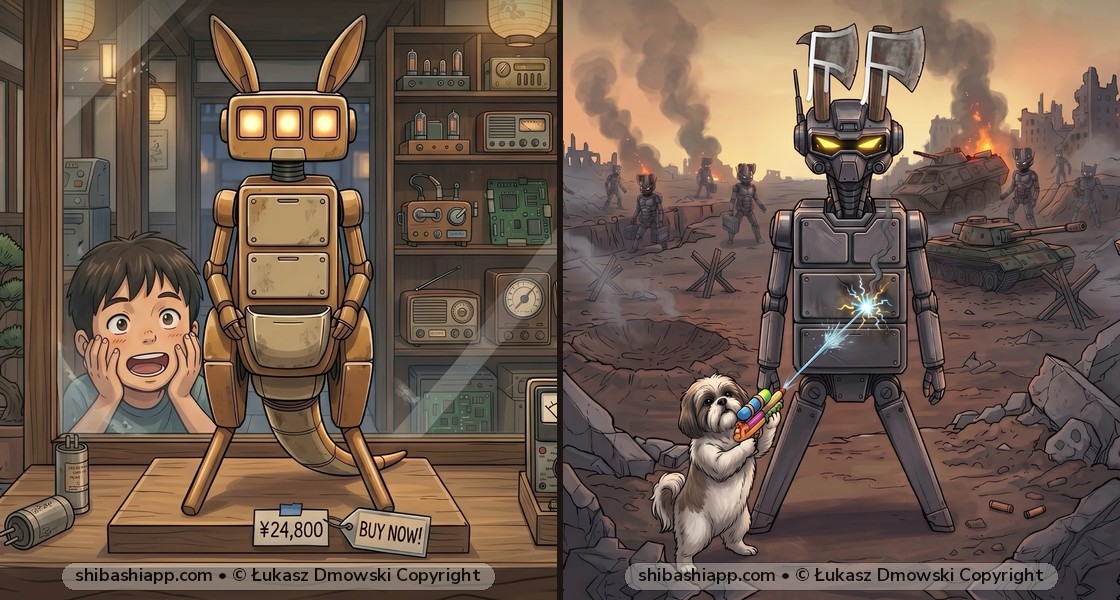
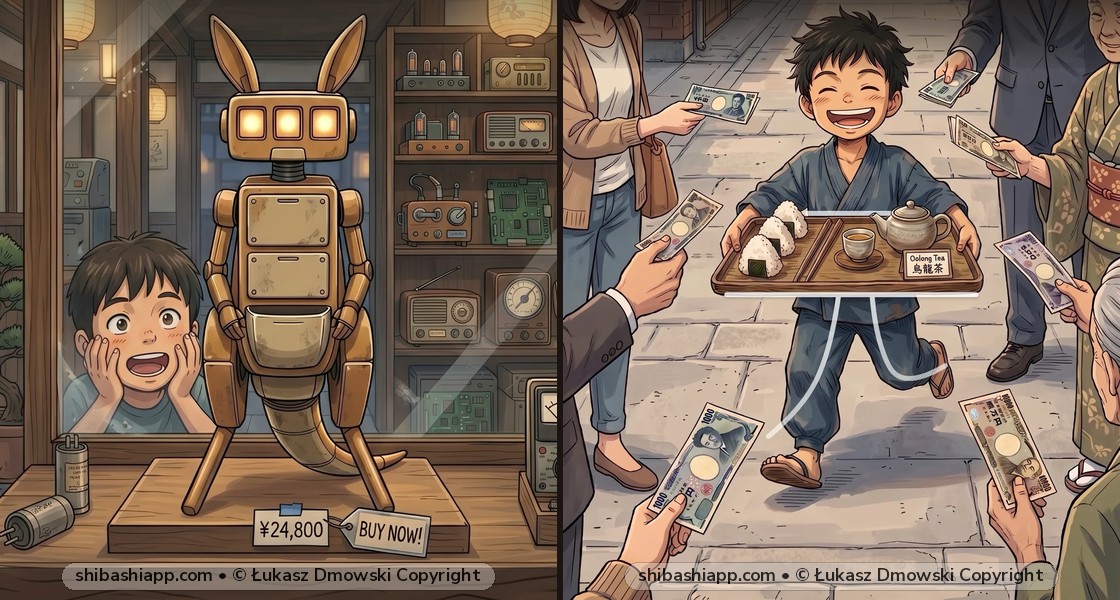
Shibashi Visual Story: “The boy really wants to buy (ばい) the kangaroo (か) robo-roo.” Key visual distinction: 罒 (Net) over 貝 (Shell Money) = netting goods with money = BUY (kau / bai).
- 買う (かう): to buy
- 買い物 (かいもの): shopping
Essential Japanese Vocabulary Words Using 借 / 貸 / 代 / 買
Once you can recognize 借 (Borrow) and 貸 (Lend) and 代 (Substitute) individually, lock them into your active reading vocabulary with these high-frequency Japanese words from the Shibashi app:
| Japanese Word | Hiragana Reading | English Meaning | Level |
|---|---|---|---|
| 借りる | かりる | to borrow | JLPT |
| 貸す | かす | to lend | JLPT |
| 時代 | じだい | period, epoch, era, age | JLPT |
| 買う | かう | to buy | JLPT |
| 買い物 | かいもの | shopping | JLPT |
5-Second Memory Summary: How to Never Mix Up 借 & 貸 & 代 Again
Visual rule: 借 (kariru — Borrow) has a Person (亻) on the left asking a friend; 貸 (kasu — Lend) has Shell Money (貝) at the bottom like a bank lending cash. Sound rule: ka-RI-ru has R for Receive (Borrow)!