買 (Buy) vs. 売 (Sell) vs. 読 (Read): How to Never Confuse Them
Why do both 買 (Buy) and 売 (Sell) share the exact same On'yomi reading (ばい bai), and why does 読 (Read) look like Speech + Sell? Here is the visual story that ties all three together.
Every JLPT N5 learner learns the verb pair 買う (かう kau — to buy) and 売る (うる uru — to sell) together — and consequently mixes them up for months. Worse still, when you learn their On'yomi readings for compound words, you discover that both 買 and 売 are pronounced ばい (bai)! Here is how to untangle them forever.
1. 買 (Buy — か / ばい) vs. 売 (Sell — う / ばい): The Robo-Roo vs. The Oolong Tea Stand
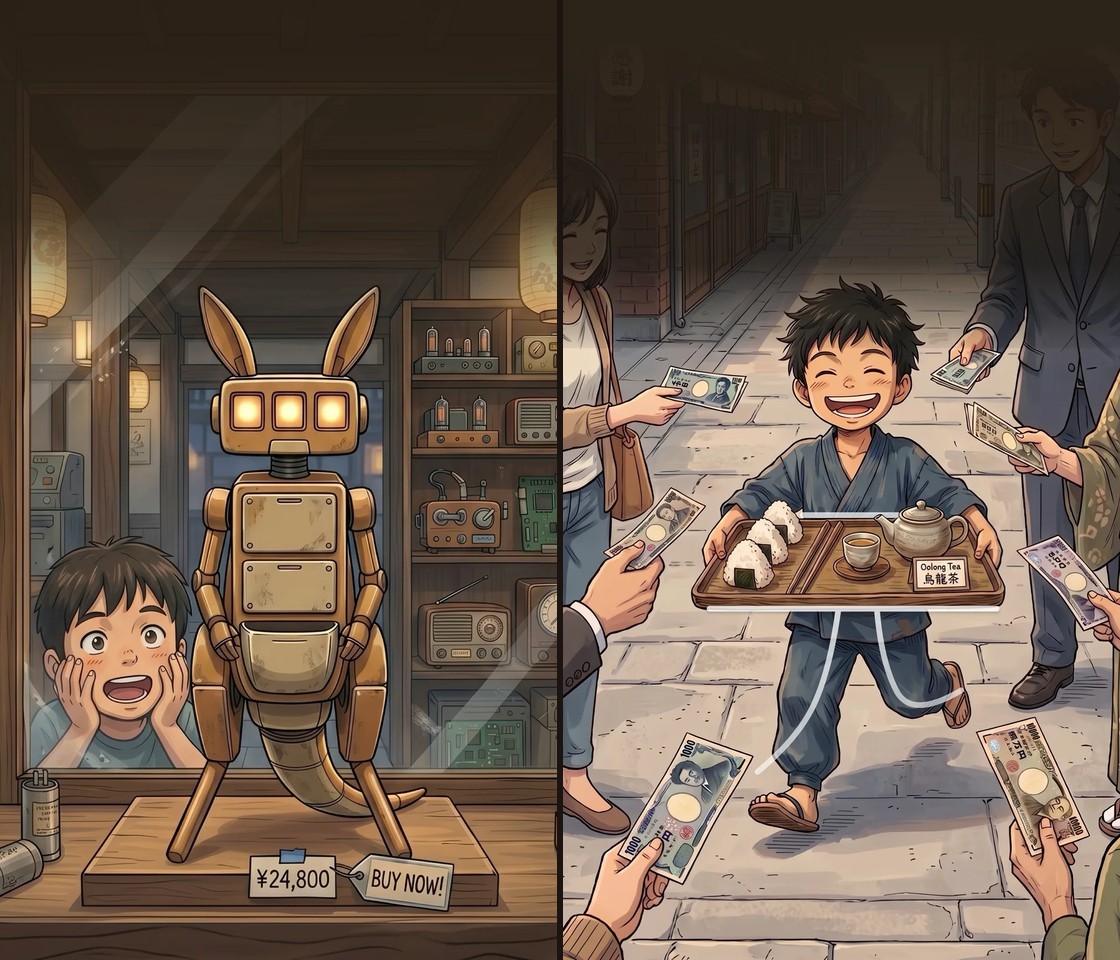
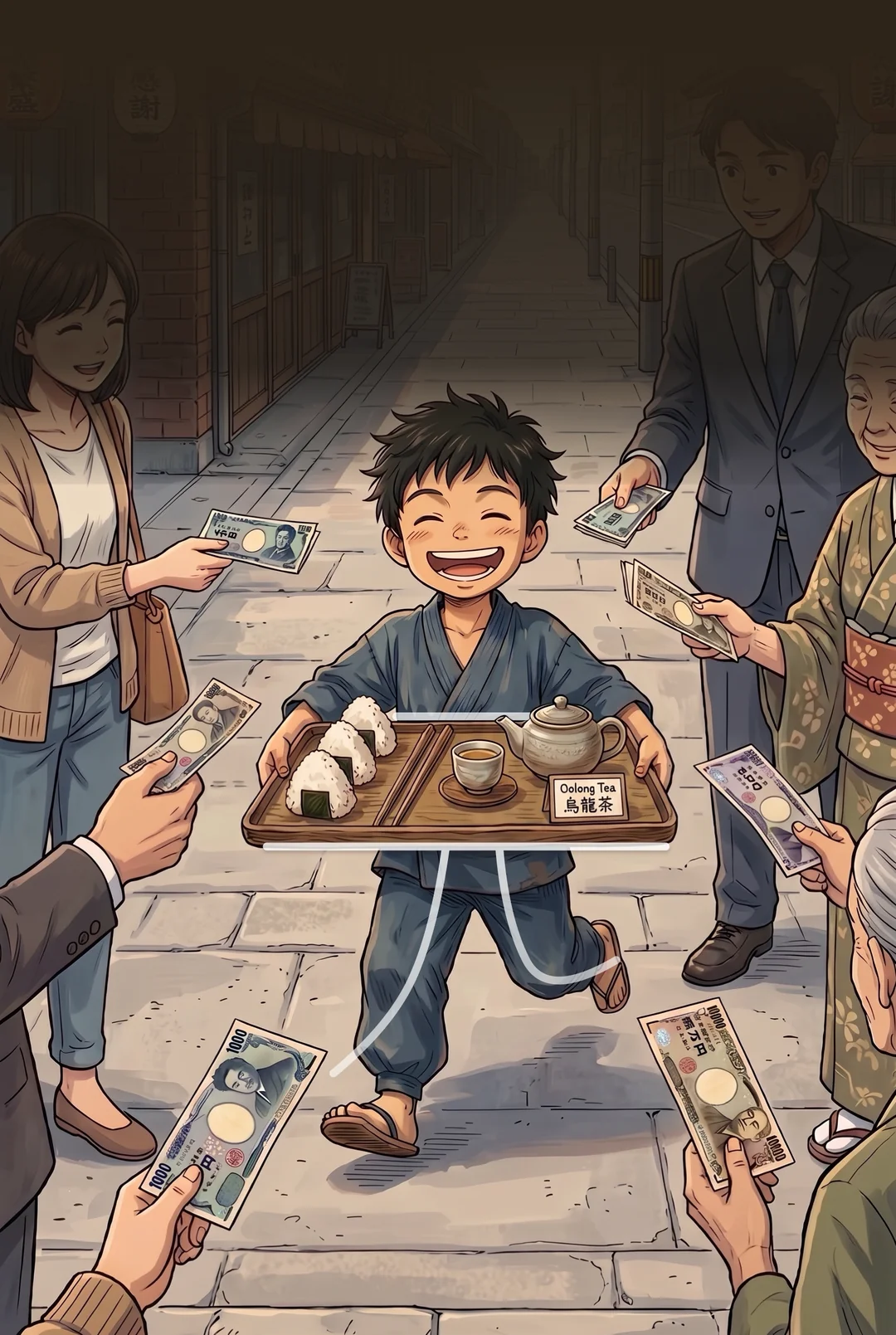
Look at the bottom half of each character in Shibashi's flashcards below:
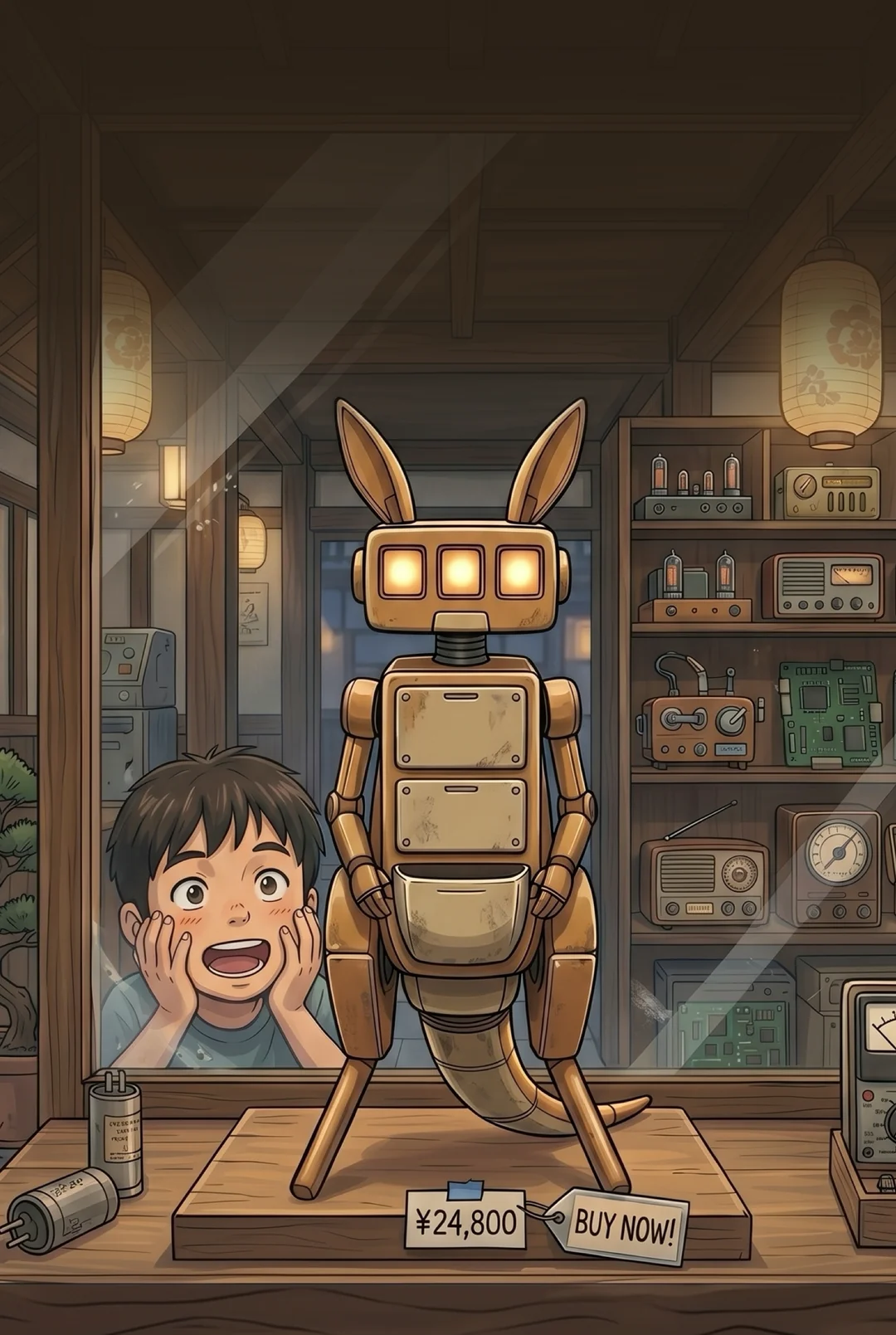
- 買 (Buy — かう kau / ばい bai): The bottom is the Robot / Shellfish Money (貝) radical! The little boy really wants to buy (ばい bai — literally pronounced like English "buy"!) the kangaroo (か ka, as in 買う kau) robo-roo toy.
- 売 (Sell — うる uru / ばい bai): Instead of a robot box at the bottom, 売 has a market booth counter and human legs (儿) standing behind it! With so many customers ready to buy (ばい bai), our young entrepreneur will sell all his snacks and oolong (う u, as in 売る uru) tea.
- Compound Word Bonus — 売買 (ばいばい baibai): Put 買 (ばい) and 売 (ばい) together and you get 売買 (baibai) — meaning "buying and selling / trading"!
2. Why Does 読 (Read — よ / どく / とう) Have 売 (Sell) on the Right?
Once you know 売 (Sell), learners always ask: "Why is 売 sitting inside 読 (Read)?"
- Historically, the right side of 読 (Read) acts as a phonetic/visual partner to 言 (Speech/Words) on the left — pitching words out loud like a merchant calling out wares at a stand!
- In Shibashi's scene for 読 (Read), the boy at the stand is holding up a giant book: "Stop texting, yo (よ yo, as in 読む yomu)! I'm reading my toe (とう tō) book!"

Frequently Asked Questions
How do you remember which kanji is 買 (Buy) and which is 売 (Sell)?
買 (Buy — kau / bai) has the Shellfish/Money Robot (貝) on the bottom with a net/visor on top: you use money/shells (貝) to BUY a toy robot! 売 (Sell — uru / bai) has a table/stand on top and legs (儿) at the bottom: a young entrepreneur standing behind a booth to SELL snacks and oolong tea!
Why do 買 (Buy) and 売 (Sell) both have the On'yomi reading 'bai' (ばい)?
Both characters share the On'yomi ばい (bai) — which sounds just like the English word 'Buy'! When combined together into 売買 (baibai), it means 'buying and selling / trading'.