高い (Tall/Expensive) vs. 低い (Low) & 長い (Long) vs. 広い (Wide): Japanese Size & Dimension Kanji
In English, 'short' can describe both a short pencil and a short person. In Japanese, vertical height uses 高い (takai — high/tall) and 低い (hikui — low/short stature), while length uses 長い (nagai — long) and space uses 広い (hiroi — wide)!
If you want to say 'short stature (背が低い se ga hikui)', 'a low table', or 'low temperature', you use 低い (hikui) — the direct opposite of 高い (takai — High / Tall / Expensive)! Meanwhile, horizontal length uses 長い (nagai — Long) vs. 短い (mijikai — Short length).
Quick Comparison: 高 (Tall) vs. 低 (Low) vs. 長 (Long) vs. 広 (Wide)
Compare the four dimension kanjis (高, 低, 長, 広) in the table below:
| Kanji & Meaning | Primary Readings (Bold = Primary) | Shibashi Visual Mnemonic Hook | Common Compound Word |
|---|---|---|---|
| 高 — Tall | On: こう Kun: たか |
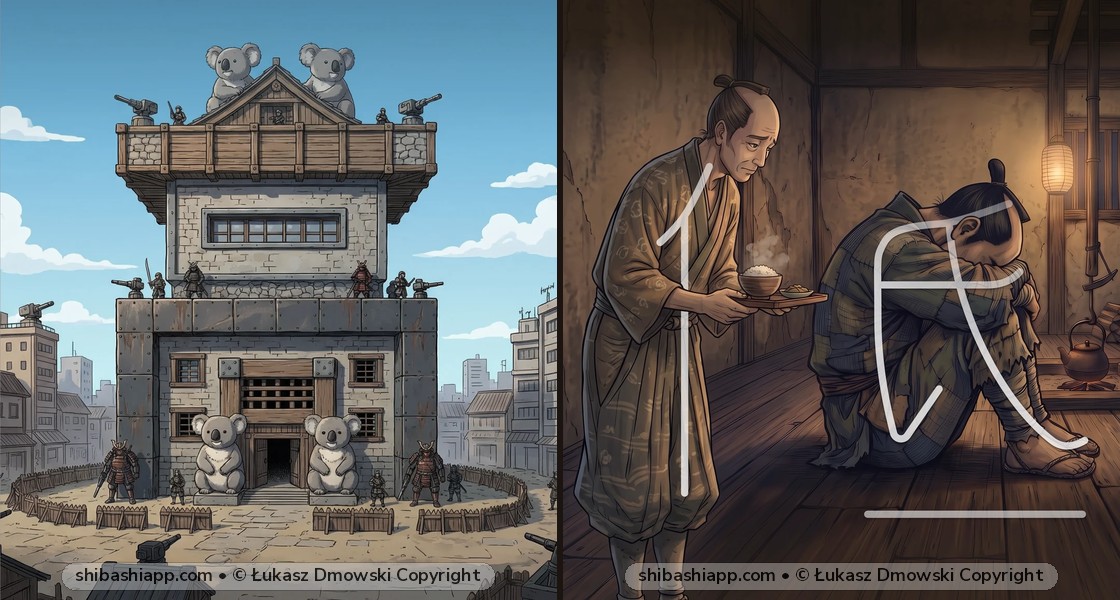
A tall multi-story castle tower with a roof, upper window (口), and lower gate (口) = HIGH / TALL / EXPENSIVE (takai / kō). | 最高 (さいこう) — best, supreme, wonderful... |
| 低 — Low | On: てい Kun: ひく |
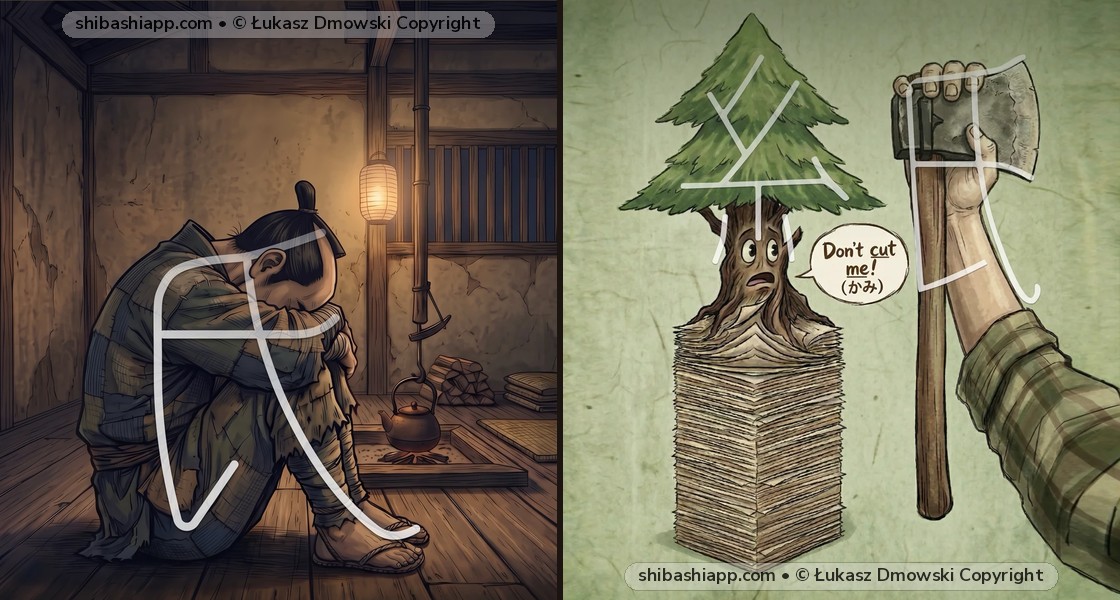
亻 (Person) + 氏 (crouching low to the ground line 一) = LOW / SHORT HEIGHT (hikui / tei). | 低い (ひくい) — low, short |
| 長 — Long | On: ちょう Kun: なが |
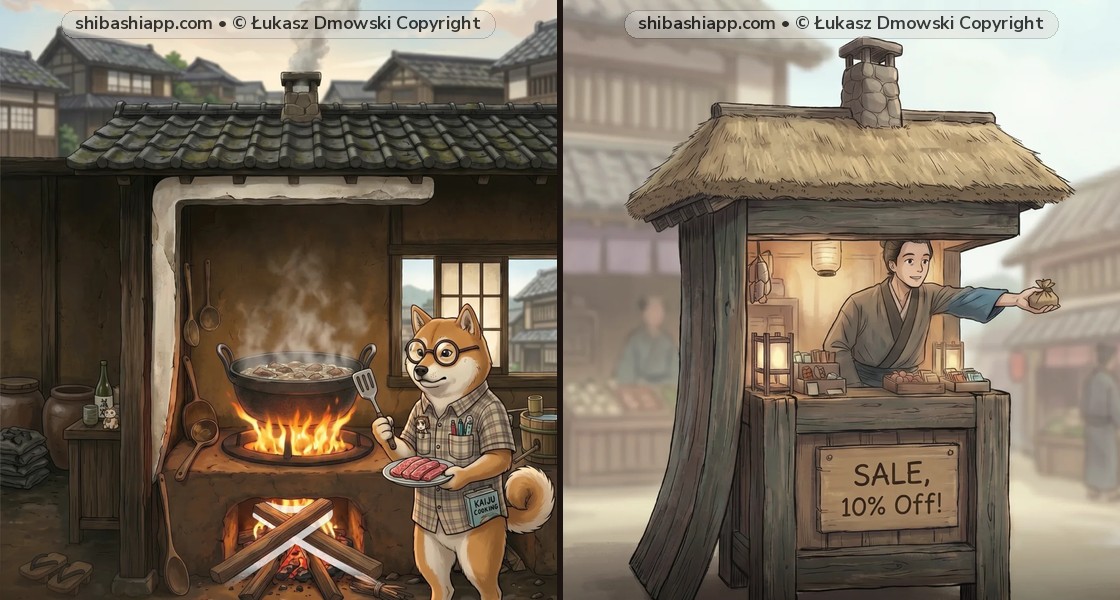
Long flowing hair locks held by a hairpin = LONG / LEADER / CHIEF (nagai / chō). | 村長 (そんちょう) — village mayor, village head |
| 広 — Wide | On: こう Kun: ひろ |
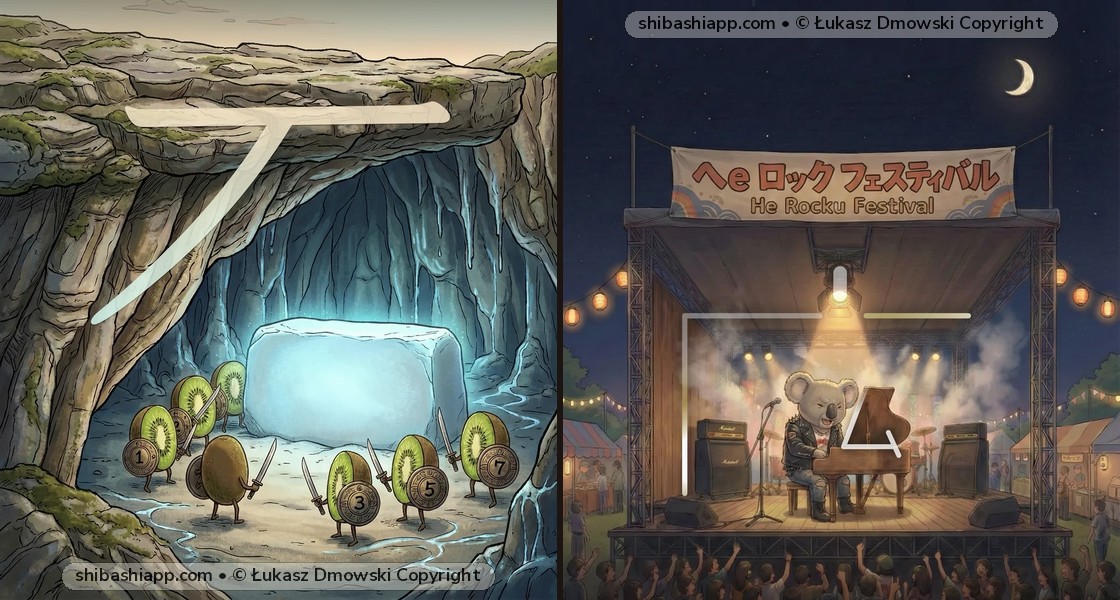
广 (Spacious building roof) over 厶 (open floor room) = WIDE / SPACIOUS (hiroi / kō). | 広い (ひろい) — spacious, wide |
Side-by-Side Illustrated Kanji Flashcards (Tap Readings for Audio)
Compare the custom Shibashi artwork for 高 (Tall) and 低 (Low) below. Notice how each illustration embeds both the English meaning and the primary Japanese reading directly into the scene, and tap any reading to hear native pronunciation:


Step-by-Step Visual Breakdown & Radical Rules
Look at the visual stories inside each of the four characters:
1. 高 (Tall) — Mnemonic Story & Readings
On'yomi: こう | Kun'yomi: たか
Shibashi Visual Story: “Don’t dare attack-a (たか) the Tall Koala (こう) Headquarters, they are heavily guarded!!” Key visual distinction: A tall multi-story castle tower with a roof, upper window (口), and lower gate (口) = HIGH / TALL / EXPENSIVE (takai / kō).
- 最高 (さいこう): best, supreme, wonderful, finest
- 高い (たかい): tall, expensive
- 高低 (こうてい): high and low, rise and fall, pitch
2. 低 (Low) — Mnemonic Story & Readings
On'yomi: てい | Kun'yomi: ひく
Shibashi Visual Story: “Your dad he cooks (ひく) the best tasting (てい) food, but sitting so low, you can't even try it...” Key visual distinction: 亻 (Person) + 氏 (crouching low to the ground line 一) = LOW / SHORT HEIGHT (hikui / tei).
3. 長 (Long) — Mnemonic Story & Readings
On'yomi: ちょう | Kun'yomi: なが
Shibashi Visual Story: “Nagano City (なが) is all about long-necks, long scarves, and eating nachos (ちょう).” Key visual distinction: Long flowing hair locks held by a hairpin = LONG / LEADER / CHIEF (nagai / chō).
- 村長 (そんちょう): village mayor, village head
- 社長 (しゃちょう): company president
- 長期 (ちょうき): long time period
4. 広 (Wide) — Mnemonic Story & Readings
On'yomi: こう | Kun'yomi: ひろ
Shibashi Visual Story: “The wide-head koala (こう) rocks piano at the He-Rocku (ひろ) Festival!” Key visual distinction: 广 (Spacious building roof) over 厶 (open floor room) = WIDE / SPACIOUS (hiroi / kō).
- 広い (ひろい): spacious, wide
- 広がる (ひろがる): to spread (out), to extend, to stretch, to reach to, to get around
Essential Japanese Vocabulary Words Using 高 / 低 / 長 / 広
Once you can recognize 高 (Tall) and 低 (Low) and 長 (Long) individually, lock them into your active reading vocabulary with these high-frequency Japanese words from the Shibashi app:
| Japanese Word | Hiragana Reading | English Meaning | Level |
|---|---|---|---|
| 最高 | さいこう | best, supreme, wonderful, finest | JLPT |
| 高い | たかい | tall, expensive | JLPT |
| 高低 | こうてい | high and low, rise and fall, pitch | JLPT |
| 低い | ひくい | low, short | JLPT |
| 低下 | ていか | fall, decline, drop | JLPT |
| 最低 | さいてい | lowest, least, worst | JLPT |
| 村長 | そんちょう | village mayor, village head | JLPT |
| 社長 | しゃちょう | company president | JLPT |
5-Second Memory Summary: How to Never Mix Up 高 & 低 & 長 Again
Vertical height/level/price: 高い (takai — High/Tall/Expensive) ↔ 低い (hikui — Low). Horizontal length: 長い (nagai — Long). Area/Room space: 広い (hiroi — Wide/Spacious)!