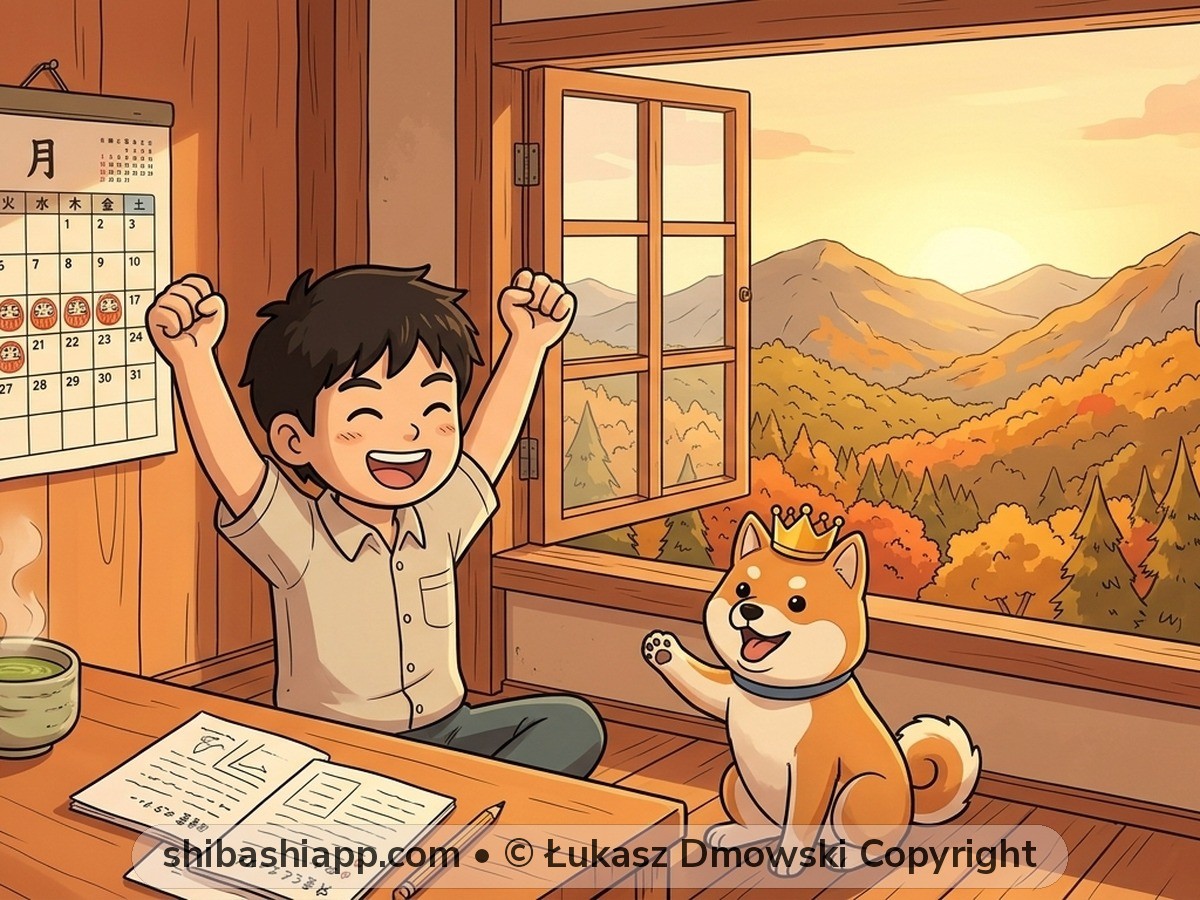
The Child (子) & School Kanji Family: 子 (Child), 孝 (Filial Piety), 学 (Study), 校 (School) & 教 (Teach)
Look inside 学 (Study), 孝 (Filial Piety), and 教 (Teach): every single one contains 子 (Child)! Here is how ancient classrooms built the entire Japanese vocabulary for education around a child learning from elders.
Look at how 孝 (Filial Piety) builds 教 (Teach — oshieru / kyō): start with an Elder (耂) above a Child (子) to get 孝, then add a teacher's hand holding a pointer stick (攵) on the right to get 教 (Teach — 教える oshieru, 教室 kyōshitsu 'classroom')!
Quick Comparison: 子 (Child) vs. 孝 (Filial Piety) vs. 学 (Study) vs. 校 (School)
Compare the five foundational education and school kanjis below:
| Kanji & Meaning | Primary Readings (Bold = Primary) | Shibashi Visual Mnemonic Hook | Common Compound Word |
|---|---|---|---|
| 子 — Child | On: し, す Kun: こ |
A baby with a round head and outstretched arms = CHILD (ko / shi). | 男の子 (おとこのこ) — boy |
| 孝 — Filial Piety | On: こう Kun: — |
耂 (Old Elder with diagonal cane) over 子 (Child supporting from below) = FILIAL PIETY (kō). | 孝行 (こうこう) — filial piety; devotion to... |
| 学 — Study | On: がく Kun: まな |
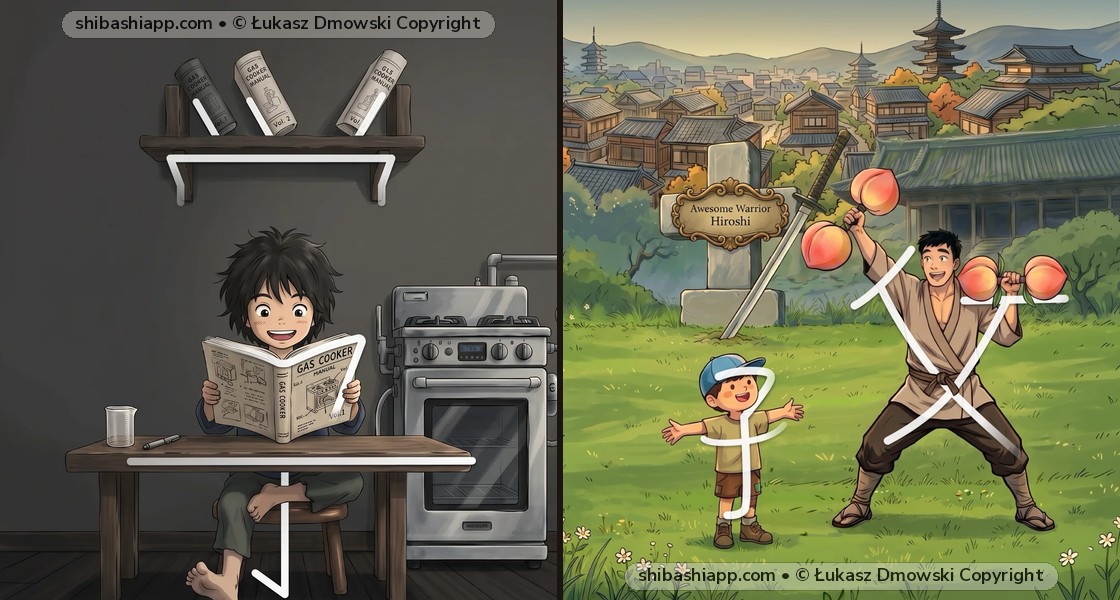
𦥯 (Schoolhouse roof with 3 beams of wisdom) over 子 (Child) = a child enlightened at school = STUDY / LEARN (manabu / gaku). | 学生 (がくせい) — student |
| 校 — School | On: こう Kun: — |
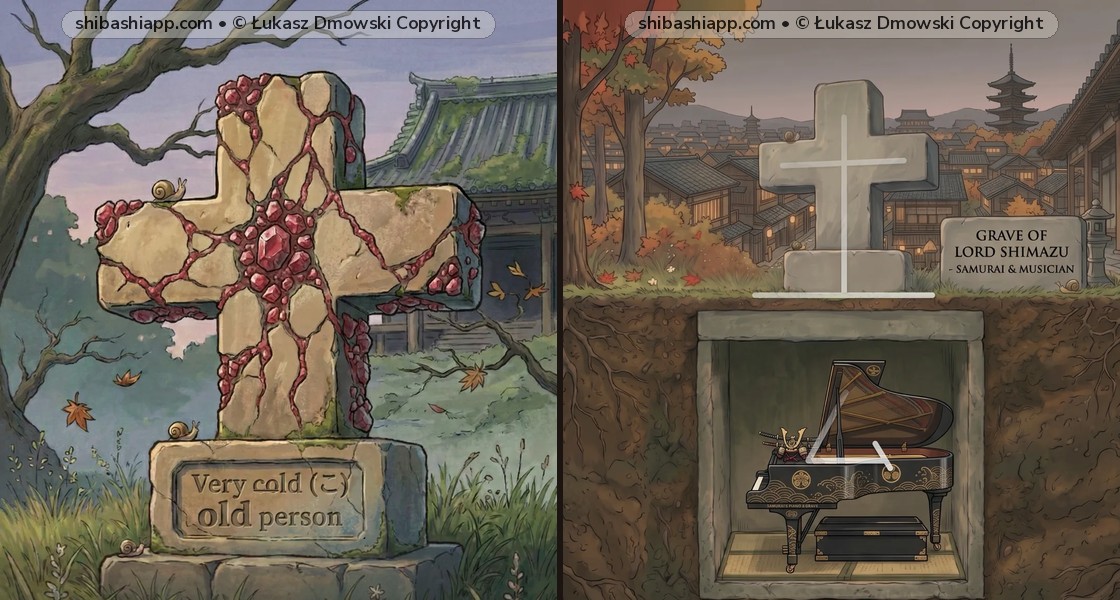
木 (Tree/Wooden building) + 交 (Cross/Mingle) = the wooden building where students mingle = SCHOOL (kō). | 学校 (がっこう) — school |
| 教 — Teach | On: きょう Kun: おし, おそ |
孝 (Elder 耂 + Child 子) on the left + 攵 (Teacher's pointer hand) on the right = an elder guiding a child = TEACH (oshieru / kyō). | 教える (おしえる) — to teach, to instruct |
Side-by-Side Illustrated Kanji Flashcards (Tap Readings for Audio)
Compare the custom Shibashi artwork for 学 (Study) and 教 (Teach) below. Notice how each illustration embeds both the English meaning and the primary Japanese reading directly into the scene, and tap any reading to hear native pronunciation:


Step-by-Step Visual Breakdown & Radical Rules
Trace the role of 子 (Child) across each character:
1. 子 (Child) — Mnemonic Story & Readings
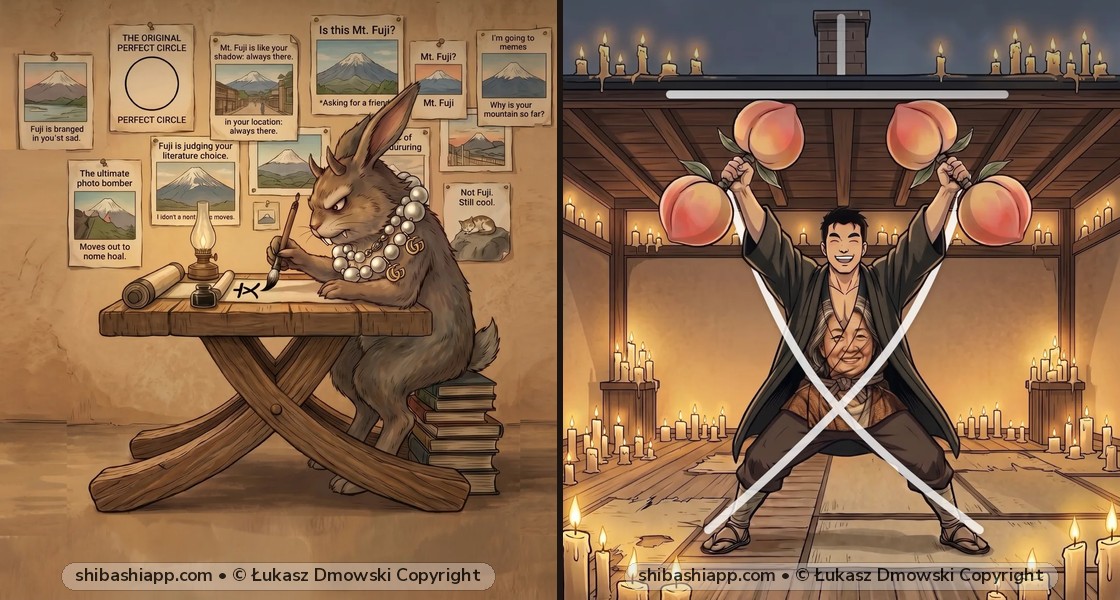
On'yomi: し, す | Kun'yomi: こ
Shibashi Visual Story: “Just a happy child with his pet sheep (し) eating cold (こ) soup (す)...” Key visual distinction: A baby with a round head and outstretched arms = CHILD (ko / shi).
- 男の子 (おとこのこ): boy
- 子供 (こども): child
- 女の子 (おんなのこ): girl
2. 孝 (Filial Piety) — Mnemonic Story & Readings
On'yomi: こう | Kun'yomi: —
Shibashi Visual Story: “The little boy with his pet koala (こう) has a lot of respect/filial piety towards his grandpa.” Key visual distinction: 耂 (Old Elder with diagonal cane) over 子 (Child supporting from below) = FILIAL PIETY (kō).
- 孝行 (こうこう): filial piety; devotion to parents
- 親孝行 (おやこうこう): filial piety; devotion to parents
- 不孝 (ふこう): lack of filial piety; undutifulness to parents
3. 学 (Study) — Mnemonic Story & Readings
On'yomi: がく | Kun'yomi: まな
Shibashi Visual Story: “For some reason, this boy loves studying his gas cooker (がく) manual (まな)...” Key visual distinction: 𦥯 (Schoolhouse roof with 3 beams of wisdom) over 子 (Child) = a child enlightened at school = STUDY / LEARN (manabu / gaku).
4. 校 (School) — Mnemonic Story & Readings
On'yomi: こう | Kun'yomi: —
Shibashi Visual Story: “School is a great community (こう) to make life-long friends.” Key visual distinction: 木 (Tree/Wooden building) + 交 (Cross/Mingle) = the wooden building where students mingle = SCHOOL (kō).
- 学校 (がっこう): school
- 小学校 (しょうがっこう): elementary school
- 中学校 (ちゅうがっこう): junior high school, middle school
5. 教 (Teach) — Mnemonic Story & Readings
On'yomi: きょう | Kun'yomi: おし, おそ
Shibashi Visual Story: “The workout-dad (父) took his son to Kyoto (きょう) to teach him about his awesome (おそ) grandpa Hiroshi (おし).” Key visual distinction: 孝 (Elder 耂 + Child 子) on the left + 攵 (Teacher's pointer hand) on the right = an elder guiding a child = TEACH (oshieru / kyō).
- 教える (おしえる): to teach, to instruct
- 教室 (きょうしつ): classroom, lecture room
- 教会 (きょうかい): church, congregation
Essential Japanese Vocabulary Words Using 子 / 孝 / 学 / 校
Once you can recognize 子 (Child) and 孝 (Filial Piety) and 学 (Study) individually, lock them into your active reading vocabulary with these high-frequency Japanese words from the Shibashi app:
| Japanese Word | Hiragana Reading | English Meaning | Level |
|---|---|---|---|
| 男の子 | おとこのこ | boy | JLPT |
| 子供 | こども | child | JLPT |
| 女の子 | おんなのこ | girl | JLPT |
| 孝行 | こうこう | filial piety; devotion to parents | JLPT |
| 親孝行 | おやこうこう | filial piety; devotion to parents | JLPT |
| 不孝 | ふこう | lack of filial piety; undutifulness to parents | JLPT |
| 学生 | がくせい | student | JLPT |
| 文学 | ぶんがく | literature | JLPT |
5-Second Memory Summary: How to Never Mix Up 子 & 孝 & 学 Again
3-dot crowned school roof (𦥯) + 子 (Child) = 学 (Study — 学生 gakusei, 学校 gakkō). Elder (耂) + 子 (Child) = 孝 (Filial respect), and adding a pointer hand (攵) on the right gives 教 (Teach — 教える oshieru, 教会 kyōkai, 教室 kyōshitsu)!