The Sun (日) & Light Kanji Family: 日 (Sun), 明 (Bright), 早 (Early), 映 (Reflect/Movie 映画) & 最 (Most)
Put the blazing Sun (日) and glowing Moon (月) together and you get 明 (Bright / Tomorrow). Shine the Sun (日) into the Center (央) of a screen and you get 映 (Project / Movie 映画)!
Every learner knows 日 (Sun / Day) on its own, but look at how logical Japanese kanji becomes when 日 combines with other basic characters to describe brightness, dawn, cinema projections, and being #1.
Quick Comparison: 日 (Sun, Day) vs. 明 (Bright) vs. 早 (Early) vs. 映 (Reflect)
Compare the five core 日 (Sun) combinations and their readings below:
| Kanji & Meaning | Primary Readings (Bold = Primary) | Shibashi Visual Mnemonic Hook | Common Compound Word |
|---|---|---|---|
| 日 — Sun, Day | On: にち, じつ Kun: ひ, か, び |
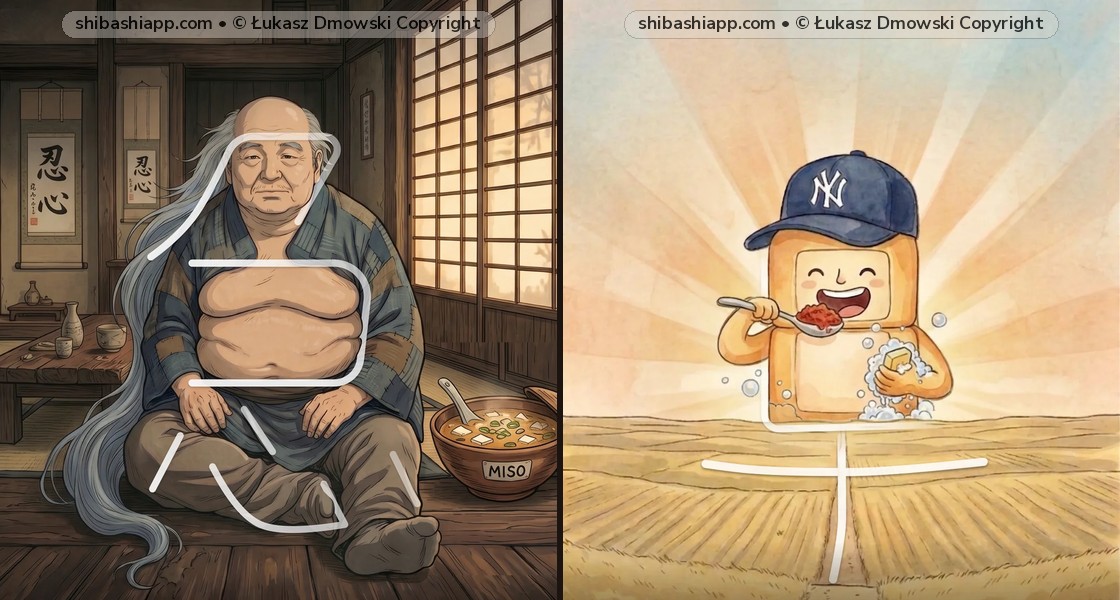
Rectangular window framing the blazing SUN / DAY (hi / bi / nichi). | 先日 (せんじつ) — the other day, a few days... |
| 明 — Bright | On: めい Kun: あ, あか, あき |
日 (Sun) on the left + 月 (Moon) on the right = the two brightest lights in the sky = BRIGHT (akarui / mei). | 文明 (ぶんめい) — civilization, culture |
| 早 — Early | On: そう Kun: はや, さ |
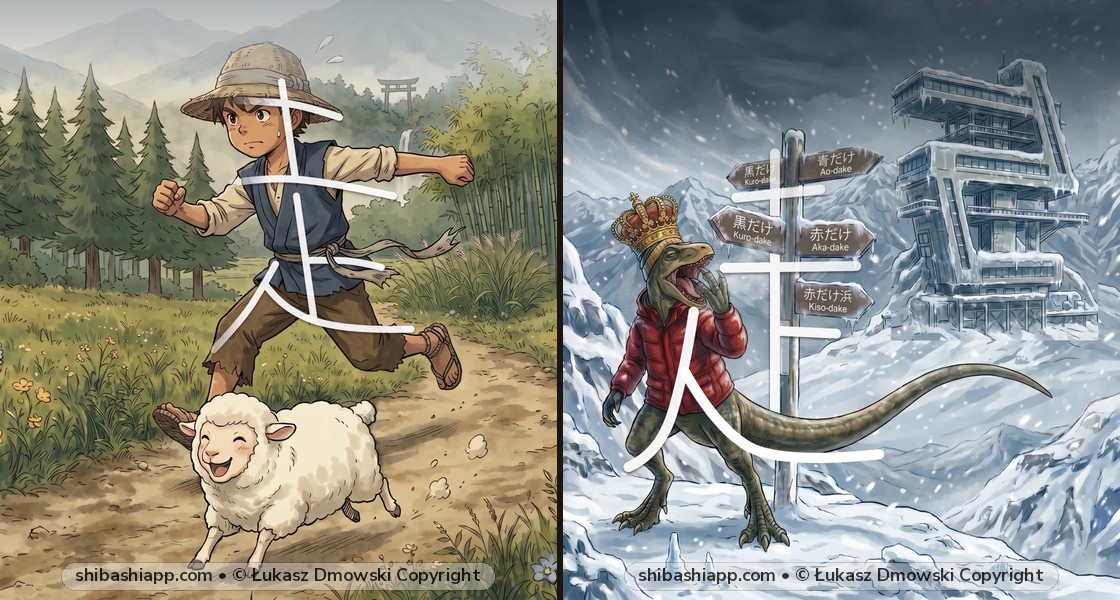
日 (Sun) rising just above a cross/flower stem (十) at dawn = EARLY / FAST (hayai / sō). | 早い (はやい) — early |
| 映 — Reflect | On: えい Kun: は |
日 (Sunlight/Projector light) + 央 (Center screen) = shining light onto the center = REFLECT / PROJECT / MOVIE (utsuru / ei, as in 映画 eiga). | 映画 (えいが) — movie |
| 最 — Most | On: さい Kun: もっと |
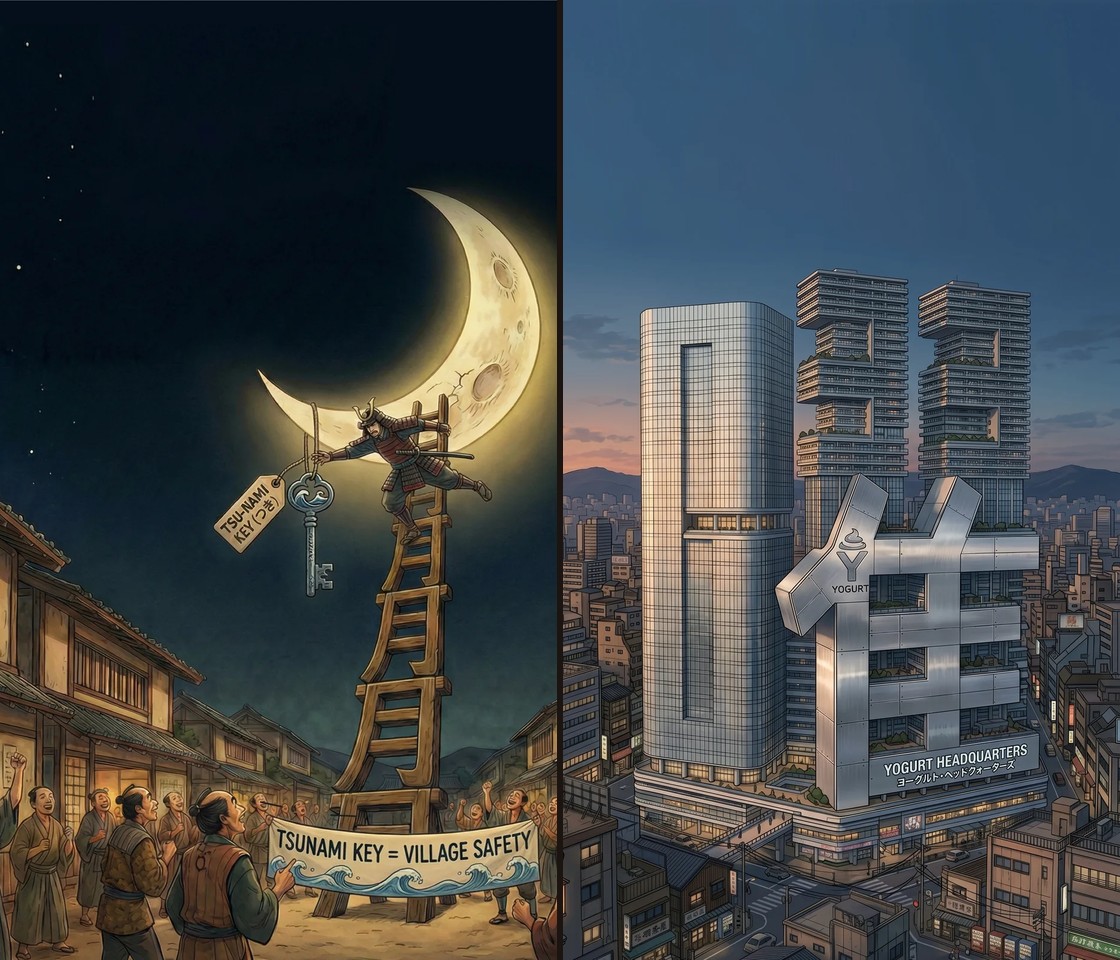
日 (Sun at the highest peak) over 取 (Take = 耳 Ear + 又 Hand) = taking the highest prize under the sun = MOST / EXTREME (mottomo / sai, as in 最高 saikō). | 最後 (さいご) — last, end |
Side-by-Side Illustrated Kanji Flashcards (Tap Readings for Audio)
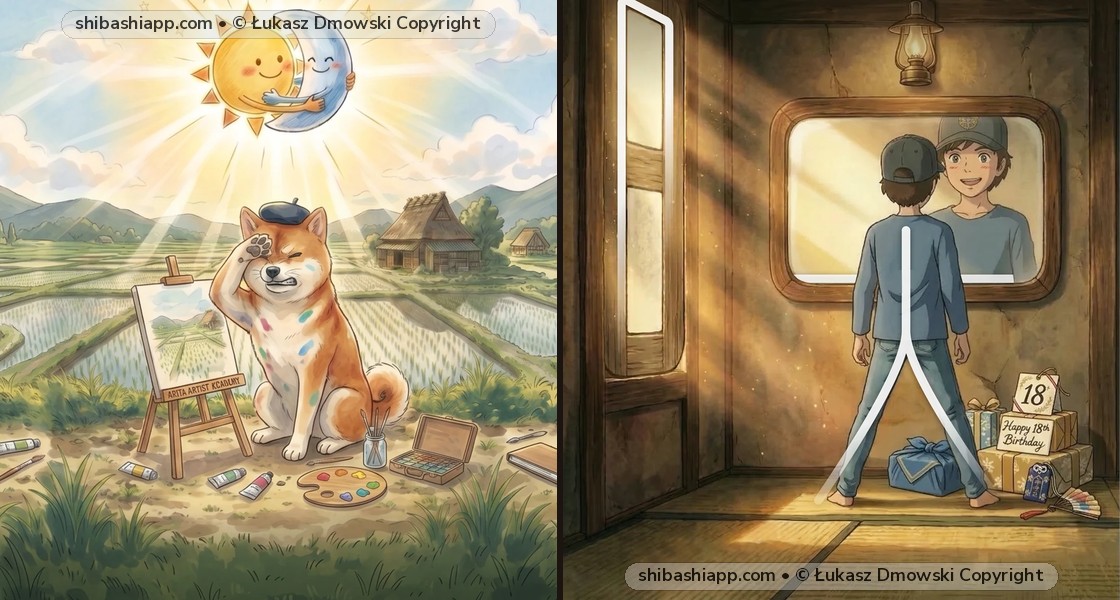
Compare the custom Shibashi artwork for 明 (Bright) and 映 (Reflect) below. Notice how each illustration embeds both the English meaning and the primary Japanese reading directly into the scene, and tap any reading to hear native pronunciation:


Step-by-Step Visual Breakdown & Radical Rules
See where 日 (Sun) sits in each character (left side vs. top cap):
1. 日 (Sun, Day) — Mnemonic Story & Readings
On'yomi: にち, じつ | Kun'yomi: ひ, か, び
Shibashi Visual Story: “In a bright sun beam (び), Mr. Hiroki (ひ) can finally see why his “knee is itchy” (にち)! Must be from all the karate (か) and jiu-jitsu (じつ)!” Key visual distinction: Rectangular window framing the blazing SUN / DAY (hi / bi / nichi).
- 先日 (せんじつ): the other day, a few days ago
- 木曜日 (もくようび): Thursday
- 金曜日 (きんようび): Friday
2. 明 (Bright) — Mnemonic Story & Readings
On'yomi: めい | Kun'yomi: あ, あか, あき
Shibashi Visual Story: “With sun - moon dating in May (めい), it’s so darn bright!! Akita (あき) artist (あ) academy (あか) may need not to wait...” Key visual distinction: 日 (Sun) on the left + 月 (Moon) on the right = the two brightest lights in the sky = BRIGHT (akarui / mei).
- 文明 (ぶんめい): civilization, culture
- 明らか (あきらか): obvious, evident, clear
- 明るい (あかるい): bright; cheerful
3. 早 (Early) — Mnemonic Story & Readings
On'yomi: そう | Kun'yomi: はや, さ
Shibashi Visual Story: “Peculiar Mr. Sun (日), the Happy Yankee (はや), loves to rise early, wash with soap (そう) and eat salsa (さ)...” Key visual distinction: 日 (Sun) rising just above a cross/flower stem (十) at dawn = EARLY / FAST (hayai / sō).
- 早い (はやい): early
4. 映 (Reflect) — Mnemonic Story & Readings
On'yomi: えい | Kun'yomi: は
Shibashi Visual Story: “Eighteen (えい) year-olds really love cool hats (は) and admiring their own reflection.” Key visual distinction: 日 (Sunlight/Projector light) + 央 (Center screen) = shining light onto the center = REFLECT / PROJECT / MOVIE (utsuru / ei, as in 映画 eiga).
- 映画 (えいが): movie
- 映画館 (えいがかん): cinema
5. 最 (Most) — Mnemonic Story & Readings
On'yomi: さい | Kun'yomi: もっと
Shibashi Visual Story: “The scientist (さい) studies his most important motto (もっと): “Question everything”.” Key visual distinction: 日 (Sun at the highest peak) over 取 (Take = 耳 Ear + 又 Hand) = taking the highest prize under the sun = MOST / EXTREME (mottomo / sai, as in 最高 saikō).
- 最後 (さいご): last, end
- 最も (もっとも): most, extremely
- 最中 (さいちゅう): in the middle of
Essential Japanese Vocabulary Words Using 日 / 明 / 早 / 映
Once you can recognize 日 (Sun, Day) and 明 (Bright) and 早 (Early) individually, lock them into your active reading vocabulary with these high-frequency Japanese words from the Shibashi app:
| Japanese Word | Hiragana Reading | English Meaning | Level |
|---|---|---|---|
| 先日 | せんじつ | the other day, a few days ago | JLPT |
| 木曜日 | もくようび | Thursday | JLPT |
| 金曜日 | きんようび | Friday | JLPT |
| 文明 | ぶんめい | civilization, culture | JLPT |
| 明らか | あきらか | obvious, evident, clear | JLPT |
| 明るい | あかるい | bright; cheerful | JLPT |
| 早い | はやい | early | JLPT |
| 映画 | えいが | movie | JLPT |
5-Second Memory Summary: How to Never Mix Up 日 & 明 & 早 Again
Sun (日) + Moon (月) = 明 (Bright — akarui). Sun (日) + Center (央) = 映 (Project light onto a screen — 映画 eiga 'movie'). Sun (日) on a stem (十) = 早 (Early morning — hayai). Sun (日) over 取 (Take) = 最 (Most / Best — 最高 saikō, 最近 saikin)!