兄 (Older Brother) vs. 弟 (Younger Brother): How to Remember Ani (Oniisan) & Otōto
Why does 兄 (Older Brother) have a giant Mouth (口) on two legs, while 弟 (Younger Brother) has two little antennae horns and a bow wrapped around a stick? And why does 兄弟 (kyōdai) mean all siblings?
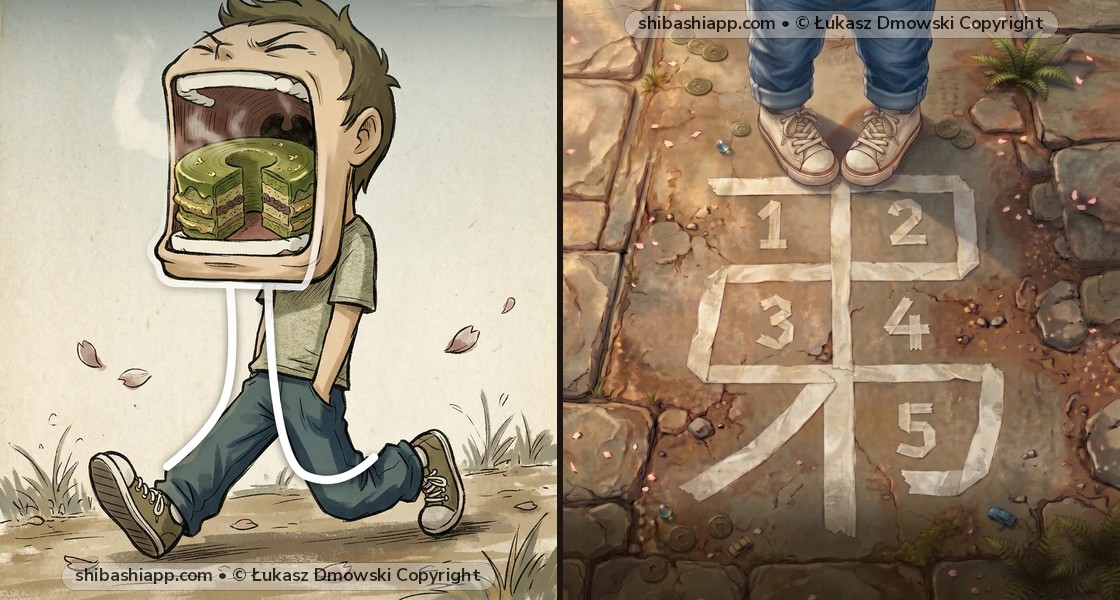
Look at 兄 (Older Brother — ani): it is literally a giant 口 (Mouth) walking around on two legs (儿) telling his younger siblings what to do! Meanwhile, 弟 (Younger Brother — otōto) has two cute little horns on top.
Quick Comparison: 兄 (Older Brother) vs. 弟 (Younger Brother) vs. 父 (Father) vs. 族 (Tribe)
Compare the brother and family kanjis in the breakdown table below:
| Kanji & Meaning | Primary Readings (Bold = Primary) | Shibashi Visual Mnemonic Hook | Common Compound Word |
|---|---|---|---|
| 兄 — Older Brother | On: きょう, けい Kun: — |
Big 口 (Mouth) on top of walking legs (儿) = the bossy OLDER BROTHER with the biggest mouth (ani / kyō / kei). | 兄弟 (きょうだい) — (humble) siblings |
| 弟 — Younger Brother | On: だい, で, てい Kun: — |
Two little devil horns on top + a coiled bow (弓) wrapped around a vertical stick = playful YOUNGER BROTHER (otōto / dai / tei). | 兄弟 (きょうだい) — brothers and sisters, sib... |
| 父 — Father | On: ふ Kun: ちち |
Two crossed axes/mustaches held by a father figure = FATHER (chichi / fu). | 父親 (ちちおや) — father |
| 族 — Tribe | On: ぞく Kun: — |
方+𠂉 (Clan banner flag) + 矢 (Arrow) = people rallied under one family banner = FAMILY / TRIBE (zoku). | 家族 (かぞく) — family |
Side-by-Side Illustrated Kanji Flashcards (Tap Readings for Audio)
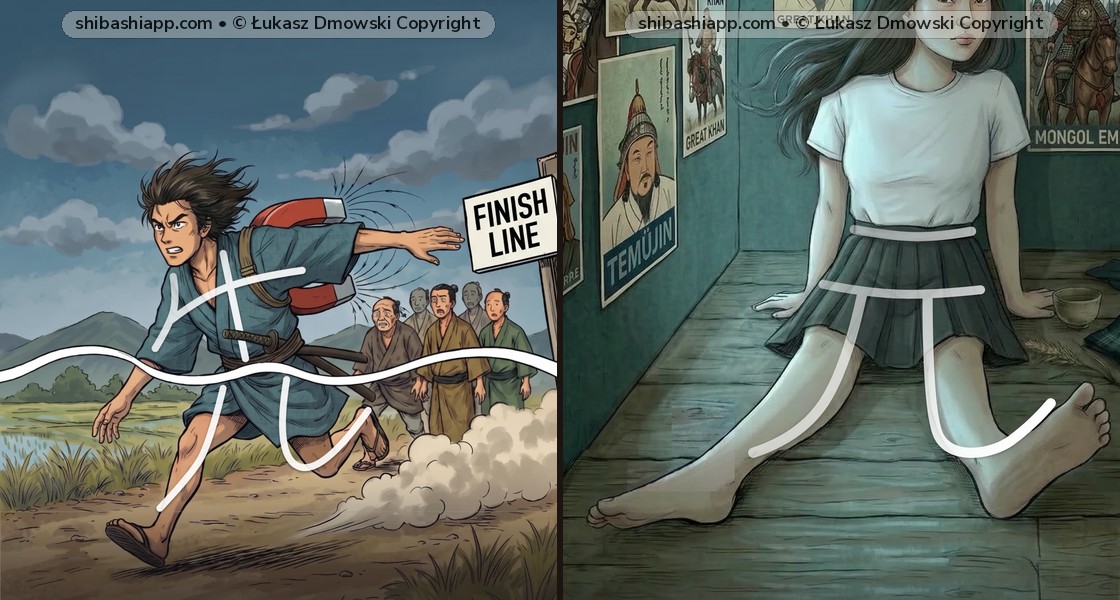
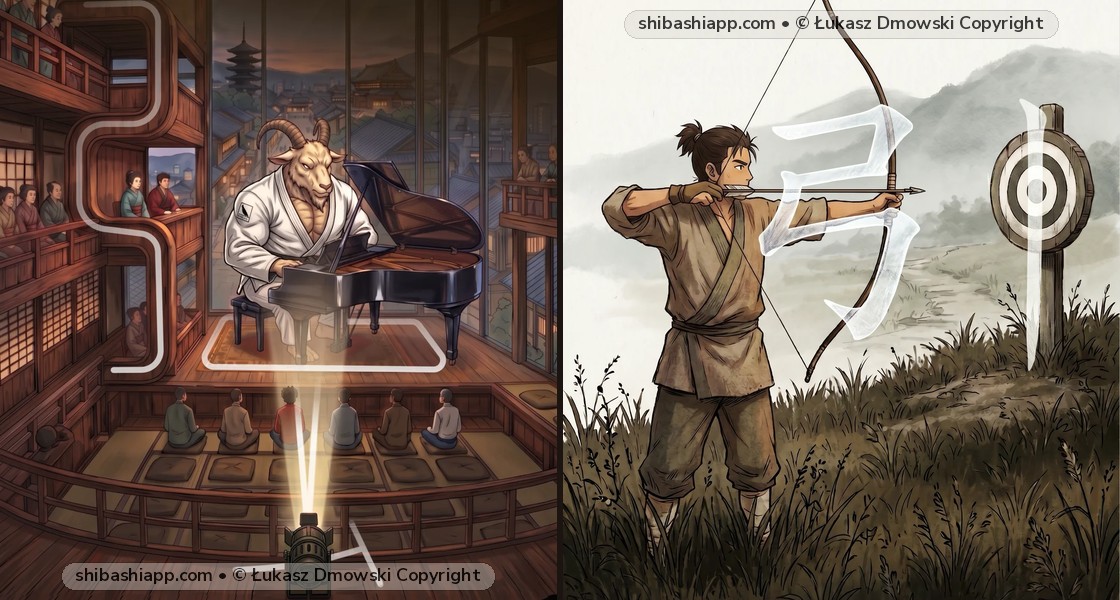
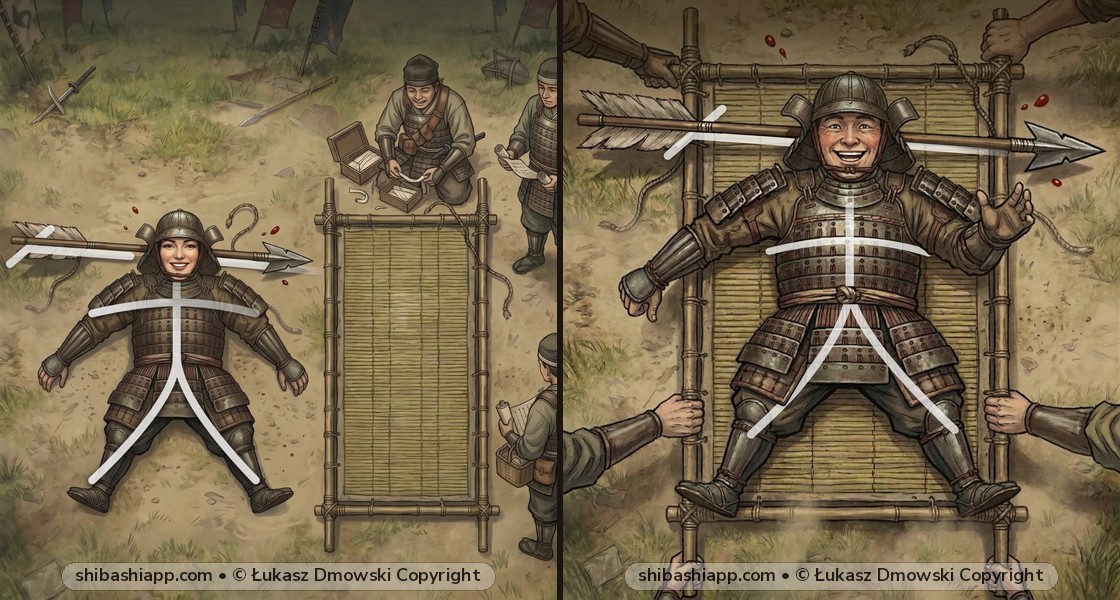
Compare the custom Shibashi artwork for 兄 (Older Brother) and 弟 (Younger Brother) below. Notice how each illustration embeds both the English meaning and the primary Japanese reading directly into the scene, and tap any reading to hear native pronunciation:


Step-by-Step Visual Breakdown & Radical Rules
Learn both the humble standalone Kun'yomi and the compound On'yomi (兄弟 kyōdai):
1. 兄 (Older Brother) — Mnemonic Story & Readings
On'yomi: きょう, けい | Kun'yomi: —
Shibashi Visual Story: “Your older brother can fit the whole Kyoto (きょう) cake (けい) in his mouth.” Key visual distinction: Big 口 (Mouth) on top of walking legs (儿) = the bossy OLDER BROTHER with the biggest mouth (ani / kyō / kei).
- 兄弟 (きょうだい): (humble) siblings
2. 弟 (Younger Brother) — Mnemonic Story & Readings
On'yomi: だい, で, てい | Kun'yomi: —
Shibashi Visual Story: “As part of his daily (で) diet (だい), your younger brother does a taped (てい) hopsack session.” Key visual distinction: Two little devil horns on top + a coiled bow (弓) wrapped around a vertical stick = playful YOUNGER BROTHER (otōto / dai / tei).
- 兄弟 (きょうだい): brothers and sisters, siblings
3. 父 (Father) — Mnemonic Story & Readings
On'yomi: ふ | Kun'yomi: ちち
Shibashi Visual Story: “Father stays strong by exercising using food (ふ): cheeky peachy (ちち) dumbbells.” Key visual distinction: Two crossed axes/mustaches held by a father figure = FATHER (chichi / fu).
4. 族 (Tribe) — Mnemonic Story & Readings
On'yomi: ぞく | Kun'yomi: —
Shibashi Visual Story: “A strong defensive wall keeps the tribe of waiters safe from the zombie cook (ぞく).” Key visual distinction: 方+𠂉 (Clan banner flag) + 矢 (Arrow) = people rallied under one family banner = FAMILY / TRIBE (zoku).
Essential Japanese Vocabulary Words Using 兄 / 弟 / 父 / 族
Once you can recognize 兄 (Older Brother) and 弟 (Younger Brother) and 父 (Father) individually, lock them into your active reading vocabulary with these high-frequency Japanese words from the Shibashi app:
| Japanese Word | Hiragana Reading | English Meaning | Level |
|---|---|---|---|
| 兄弟 | きょうだい | (humble) siblings | JLPT |
| 父親 | ちちおや | father | JLPT |
| 祖父 | そふ | grandfather | JLPT |
| 家族 | かぞく | family | JLPT |
| 氏族 | しぞく | clan, family tribe | JLPT |
5-Second Memory Summary: How to Never Mix Up 兄 & 弟 & 父 Again
Big Mouth (口) on legs (儿) = 兄 (Older Brother — ani / お兄さん oniisan). Horns + coiled bow = 弟 (Younger Brother — otōto). Put them together into 兄弟 (kyōdai) to mean 'brothers' or 'siblings' in general!