Why 生 (Life) Has 10+ Readings in Japanese: 生きる, 生まれる, 生ビール (Nama), 先生 (Sensei) & 生活
A tiny green shoot sprouting out of the fertile Earth (土): that is 生 (Life / Birth / Raw). Here is how to instantly know which of its 5 core readings to use in any Japanese word.
Ask any Japanese learner which JLPT N5 kanji has the most readings, and the answer is always 生 (Life)! In total dictionary counts, 生 can be read in over 150 ways — yet in real-world Japanese, 99% of words use just 5 easy patterns!
Quick Comparison: 生 (Life) vs. 先 (Previous, Ahead) vs. 活 (Lively) vs. 元 (Origin)
Compare 生 and its top partner kanjis in the breakdown table below:
| Kanji & Meaning | Primary Readings (Bold = Primary) | Shibashi Visual Mnemonic Hook | Common Compound Word |
|---|---|---|---|
| 生 — Life | On: せい, しょう Kun: い, う, は, き |
A fresh plant sprout pushing up out of 土 (Earth) = LIFE / BIRTH / RAW / STUDENT (ikiru / umareru / nama / sei / shō). | 先生 (せんせい) — teacher, instructor, master |
| 先 — Previous, Ahead | On: せん Kun: ま |
Legs walking ahead of a sprout = PREVIOUS / AHEAD (saki / sen, combines into 先生 sensei 'Teacher'). | 先生 (せんせい) — teacher, doctor |
| 活 — Lively | On: かつ Kun: い |
氵 (Water splash) + 舌 (Tongue) = LIVELY / ACTIVE LIFE (katsu, combines into 生活 seikatsu 'Daily life'). | 生活 (せいかつ) — to live |
| 元 — Origin | On: げん, がん Kun: — |
二 (Two) over 儿 (Legs) = ORIGIN / SOURCE OF ENERGY (moto / gen / gan, as in 元気 genki). | 元気 (げんき) — health, vitality |
Side-by-Side Illustrated Kanji Flashcards (Tap Readings for Audio)
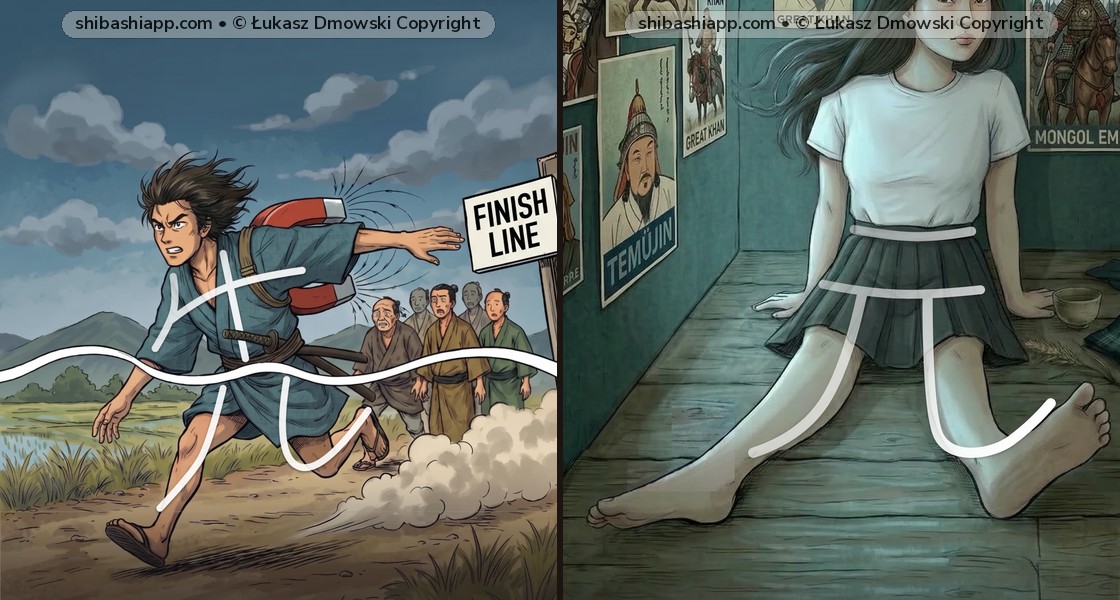
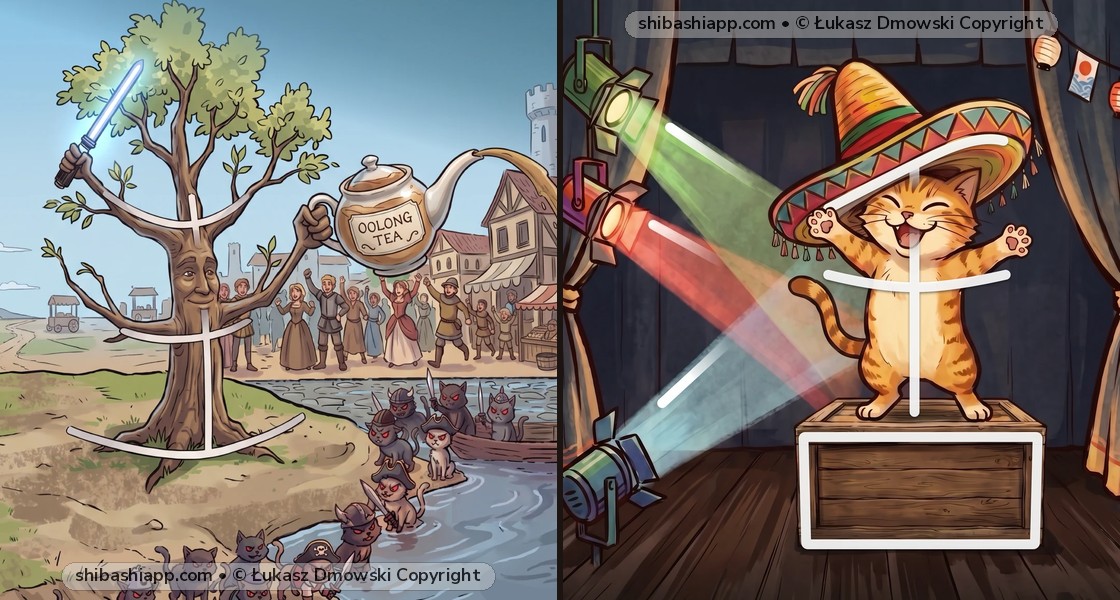
Compare the custom Shibashi artwork for 生 (Life) and 活 (Lively) below. Notice how each illustration embeds both the English meaning and the primary Japanese reading directly into the scene, and tap any reading to hear native pronunciation:


Step-by-Step Visual Breakdown & Radical Rules
Here is the 5-rule cheat sheet for reading 生 every time you see it:
1. 生 (Life) — Mnemonic Story & Readings
On'yomi: せい, しょう | Kun'yomi: い, う, は, き
Shibashi Visual Story: “The tree of life on the shore (しょう) protects the city from evil (い) kittens (き) in hats (は). All with its light saber (せい) and oolong tea (う).” Key visual distinction: A fresh plant sprout pushing up out of 土 (Earth) = LIFE / BIRTH / RAW / STUDENT (ikiru / umareru / nama / sei / shō).
2. 先 (Previous, Ahead) — Mnemonic Story & Readings
On'yomi: せん | Kun'yomi: ま
Shibashi Visual Story: “The magnetic (ま) samurai run ahead of everyone, sending (せん) his previous life bye-bye...” Key visual distinction: Legs walking ahead of a sprout = PREVIOUS / AHEAD (saki / sen, combines into 先生 sensei 'Teacher').
- 先生 (せんせい): teacher, doctor
- 先月 (せんげつ): last month
- 先ず (まず): first (of all), to start with, about, almost, hardly (with neg. verb)
3. 活 (Lively) — Mnemonic Story & Readings
On'yomi: かつ | Kun'yomi: い
Shibashi Visual Story: “Just a lively cat-su (かつ) in a sombrero smiling from ear (い) to ear...” Key visual distinction: 氵 (Water splash) + 舌 (Tongue) = LIVELY / ACTIVE LIFE (katsu, combines into 生活 seikatsu 'Daily life').
4. 元 (Origin) — Mnemonic Story & Readings
On'yomi: げん, がん | Kun'yomi: —
Shibashi Visual Story: “The origin of all life is between two legs. And gunless (がん) Genghis (げん) Khan was responsible for so many of those “origins”...” Key visual distinction: 二 (Two) over 儿 (Legs) = ORIGIN / SOURCE OF ENERGY (moto / gen / gan, as in 元気 genki).
- 元気 (げんき): health, vitality
Essential Japanese Vocabulary Words Using 生 / 先 / 活 / 元
Once you can recognize 生 (Life) and 先 (Previous, Ahead) and 活 (Lively) individually, lock them into your active reading vocabulary with these high-frequency Japanese words from the Shibashi app:
| Japanese Word | Hiragana Reading | English Meaning | Level |
|---|---|---|---|
| 先生 | せんせい | teacher, instructor, master | JLPT |
| 生きる | いきる | to live | JLPT |
| 生地 | きじ | birthplace | JLPT |
| 先月 | せんげつ | last month | JLPT |
| 先ず | まず | first (of all), to start with, about, almost, hardly (with neg. verb) | JLPT |
| 生活 | せいかつ | to live | JLPT |
| 活動 | かつどう | action, activity | JLPT |
| 活気 | かっき | energy, liveliness | JLPT |
5-Second Memory Summary: How to Never Mix Up 生 & 先 & 活 Again
1) Followed by -kiru (生きる) = ikiru (to live). 2) Followed by -mareru (生まれる) = umareru (to be born). 3) Standalone prefix on food/drink (生ビール, 生卵) = nama (raw / draft / fresh). 4) In school/life compounds (先生 sensei, 学生 gakusei, 生活 seikatsu) = SEI. 5) In birthday/lifetime (誕生日 tanjōbi, 一生 isshō) = SHŌ / JŌ!