止 — Stop
Tap any reading below to hear native Japanese pronunciation


Ready to Actually Remember These Kanji?
Browsing kanji mnemonics without Spaced Repetition fades in 24 hours. Start your free 7-day trial to unlock the full deck, smart SRS reviews, and native audio drills.
Start 7-Day Free Trial →Visual Radical Families for 止 (Stop)
These kanjis share the same recurring visual building block in Shibashi's Japanese kanji mnemonics. Tap any small tile to compare its story:

Common Japanese Words with 止 (Stop)
Tap any word below to hear native Japanese pronunciation and see how the constituent kanjis combine:
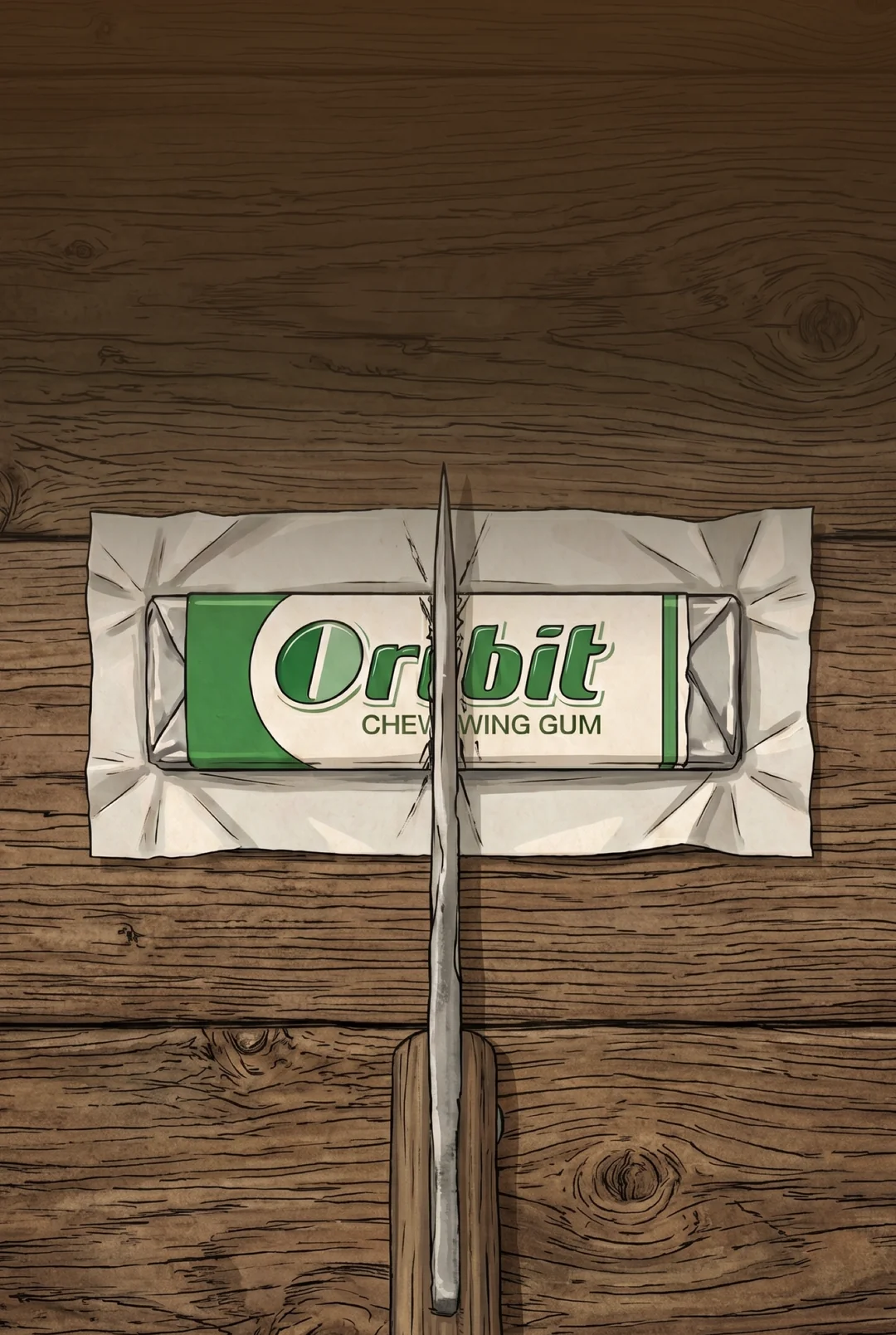
To stop (止) right in the middle (中) of something is a suspension.
When something comes to a stop (止), it tends to be limited to that point.
Stop (止) expressed as a verb, to stop .
To actively make something stop (止) is to put an end to it.
Frequently Asked Questions About 止 (Stop)
What is the best kanji mnemonic for 止 (Stop)?
▼
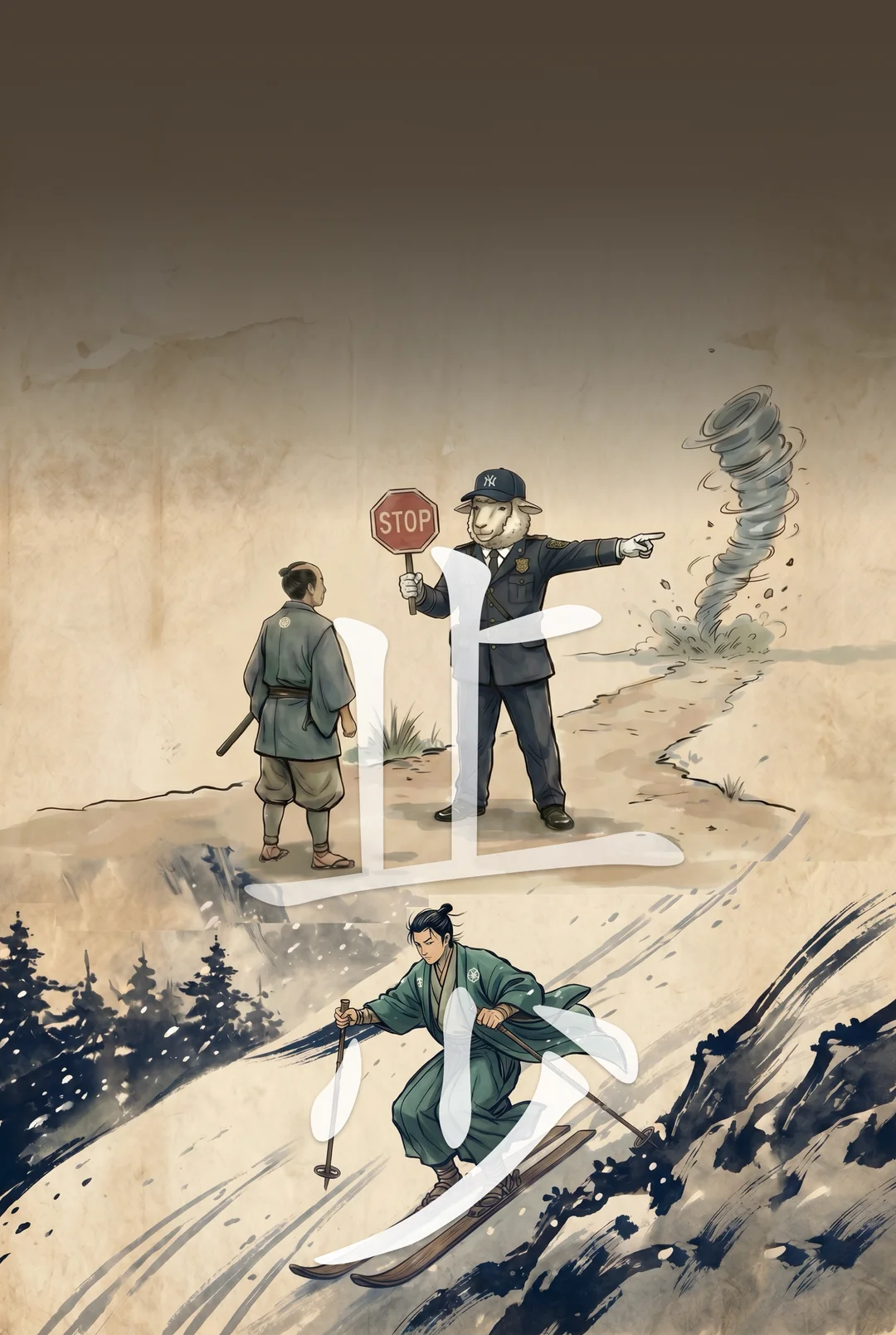
The Shibashi Japanese kanji mnemonic for 止 ("Stop", read as し) is: A big yankee (や) sheep (し) policeman, stops you because of a tornado (と). Using visual kanji mnemonics that combine the character's radicals, meaning, and reading into a single illustrated scene makes 止 effortless to recall.
What does the kanji 止 mean and how is it read in Japanese?
▼
The Japanese kanji 止 means "Stop". Its primary reading is し (On'yomi: し; Kun'yomi: と, や). Our Japanese kanji mnemonics tie the reading directly into the visual story so you remember both the meaning and pronunciation together.
What are common Japanese words and compounds with 止?
▼
Essential Japanese vocabulary words containing 止 include: 中止 (ちゅうし - interruption, discontinuance, suspension, stoppage), 止まる (とまる - to come to a halt), 止む (やむ - to stop), 止める (とめる - to stop something).
How do Japanese kanji mnemonics help you remember 止 (Stop) faster?
▼
Traditional rote stroke repetition fades quickly. Shibashi's Japanese kanji mnemonics turn 止 (Stop) and its shared visual radical family into memorable characters and objects, paired with smart Spaced Repetition (SRS) and native audio so the memory sticks permanently.