別 — Separate
Tap any reading below to hear native Japanese pronunciation


Ready to Actually Remember These Kanji?
Browsing kanji mnemonics without Spaced Repetition fades in 24 hours. Start your free 7-day trial to unlock the full deck, smart SRS reviews, and native audio drills.
Start 7-Day Free Trial →Visual Radical Families for 別 (Separate)
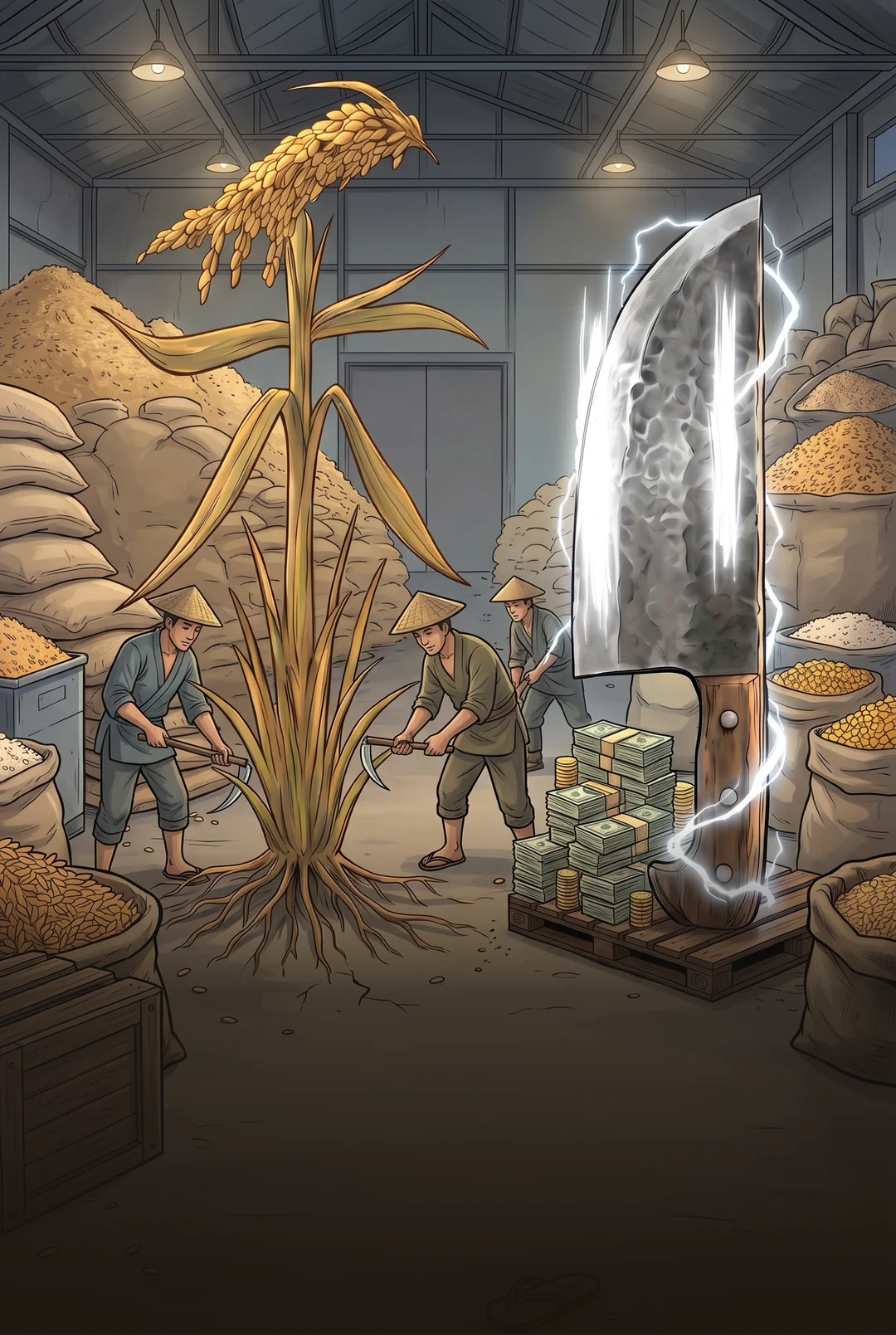
These kanjis share the same recurring visual building block in Shibashi's Japanese kanji mnemonics. Tap any small tile to compare its story:
Common Japanese Words with 別 (Separate)
Tap any word below to hear native Japanese pronunciation and see how the constituent kanjis combine:
Things that are kept separate (別) are different.
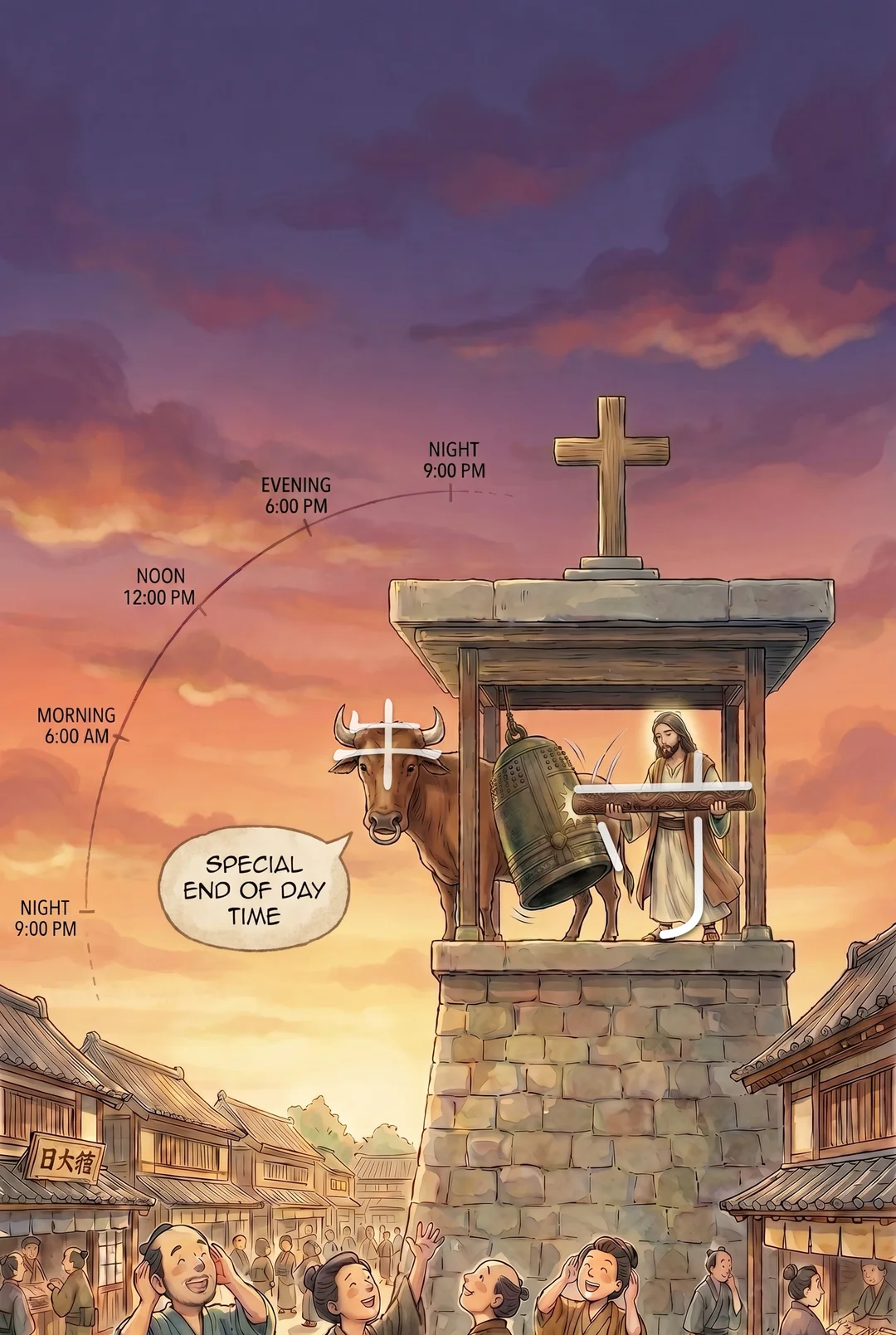
Something that is kept separate (別) because it is special (特) is truly special.
To become separate (別) from someone is to separate.
If something is separate (別) from your interests, it's not particularly important.
When you become separate (別), it's a parting.
Frequently Asked Questions About 別 (Separate)
What is the best kanji mnemonic for 別 (Separate)?
▼
The Shibashi Japanese kanji mnemonic for 別 ("Separate", read as べつ) is: A wacky (わか) man bet-su (べつ) his friends that he can run through a blade and not get separated in half. Using visual kanji mnemonics that combine the character's radicals, meaning, and reading into a single illustrated scene makes 別 effortless to recall.
What does the kanji 別 mean and how is it read in Japanese?
▼
The Japanese kanji 別 means "Separate". Its primary reading is べつ (On'yomi: べつ; Kun'yomi: わか). Our Japanese kanji mnemonics tie the reading directly into the visual story so you remember both the meaning and pronunciation together.
What are common Japanese words and compounds with 別?
▼
Essential Japanese vocabulary words containing 別 include: 別 (べつ - different), 特別 (とくべつ - special), 別れる (わかれる - to separate), 別に (べつに - (not) particularly, nothing).
How do Japanese kanji mnemonics help you remember 別 (Separate) faster?
▼
Traditional rote stroke repetition fades quickly. Shibashi's Japanese kanji mnemonics turn 別 (Separate) and its shared visual radical family into memorable characters and objects, paired with smart Spaced Repetition (SRS) and native audio so the memory sticks permanently.