不 — Not
Tap any reading below to hear native Japanese pronunciation

Ready to Actually Remember These Kanji?
Browsing kanji mnemonics without Spaced Repetition fades in 24 hours. Start your free 7-day trial to unlock the full deck, smart SRS reviews, and native audio drills.
Start 7-Day Free Trial →Visually Similar Lookalike Kanji
Learners often mix up 不 (Not) with these lookalike characters. Tap a tile to see how their visual mnemonics differ:
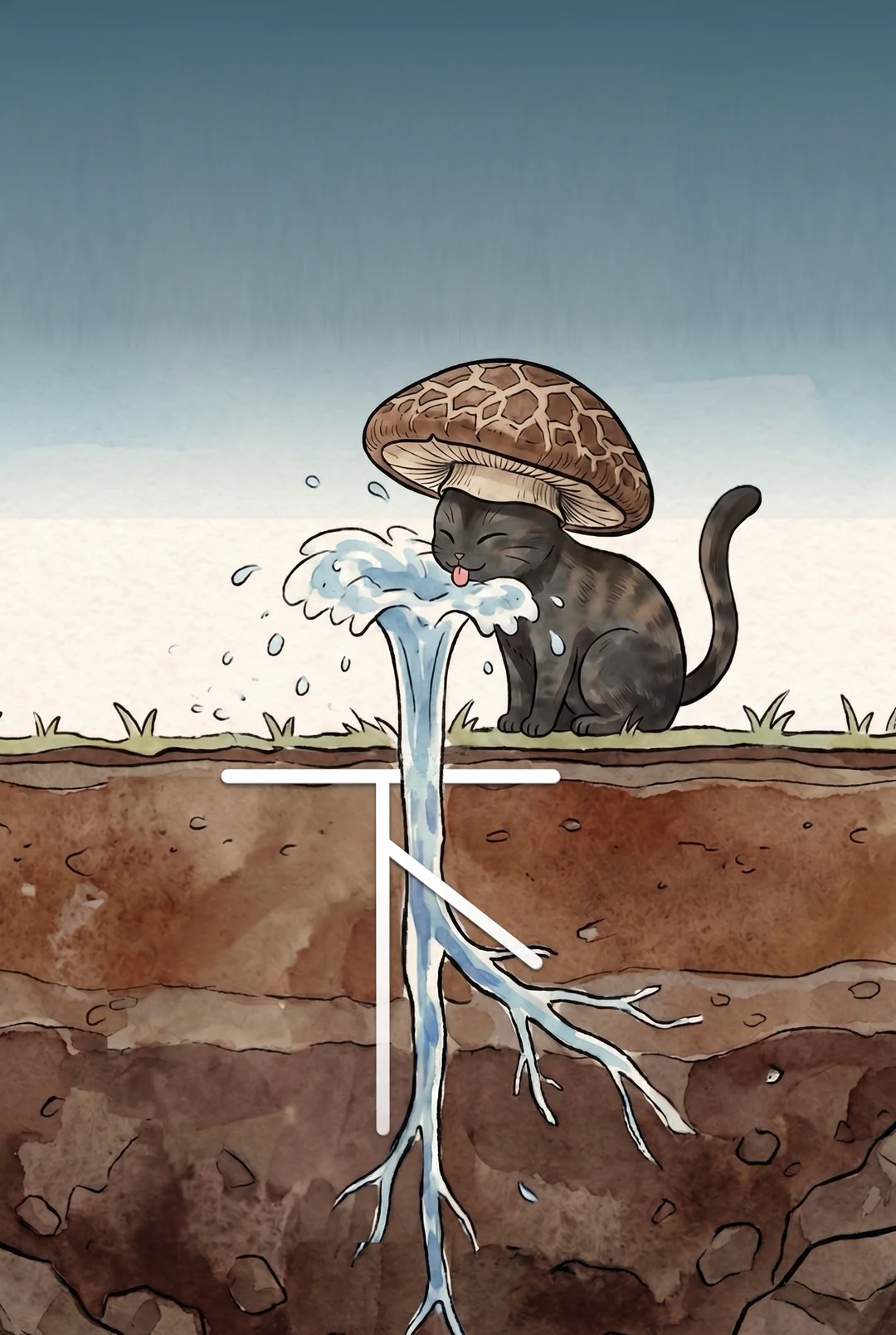
Common Japanese Words with 不 (Not)
Tap any word below to hear native Japanese pronunciation and see how the constituent kanjis combine:
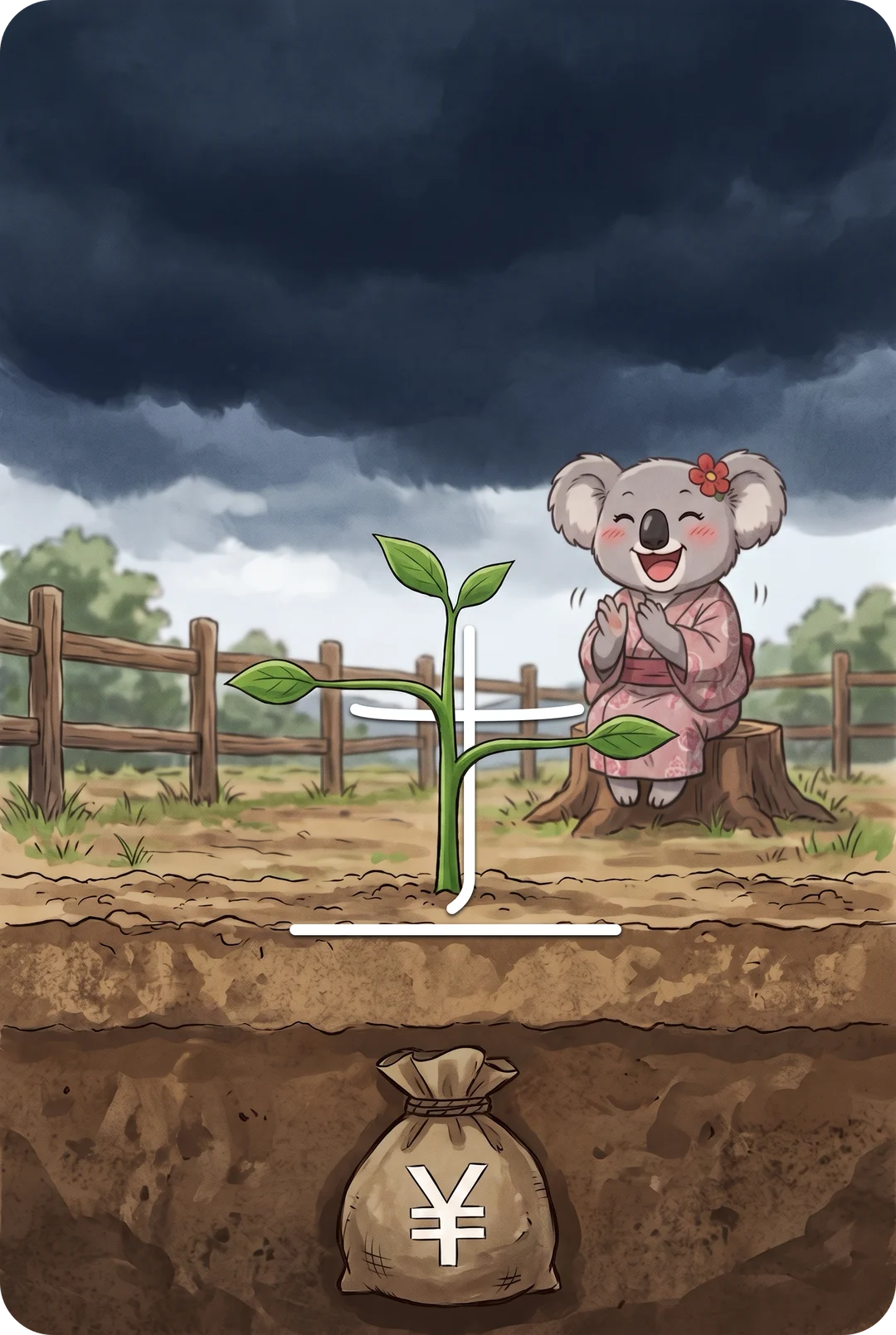
When you are not (不) experiencing happiness (幸), you feel unhappiness.
This kanji literally means not (不), acting as a negative prefix.
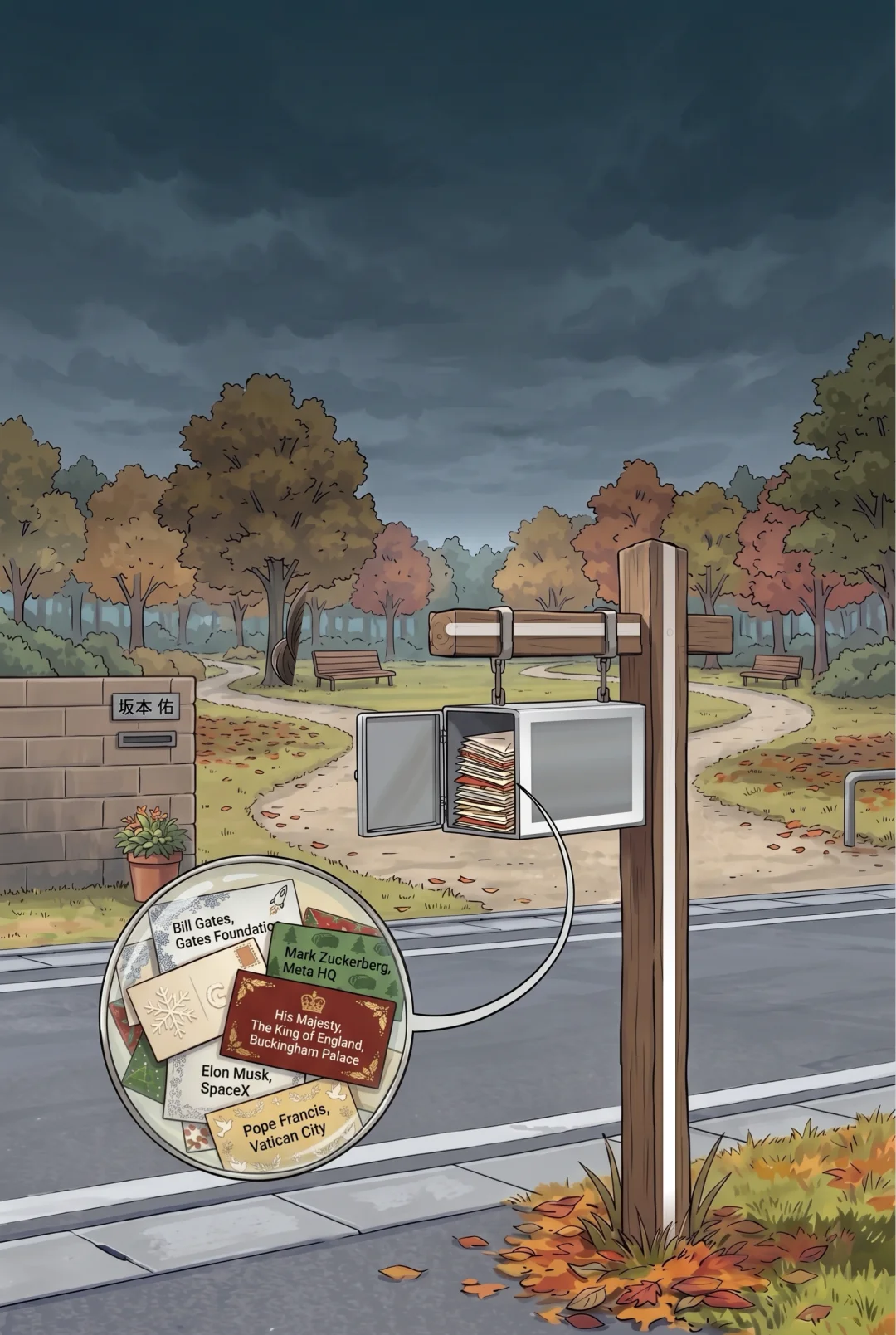
If something is not (不) possible (可), it's wrong or improper to do.
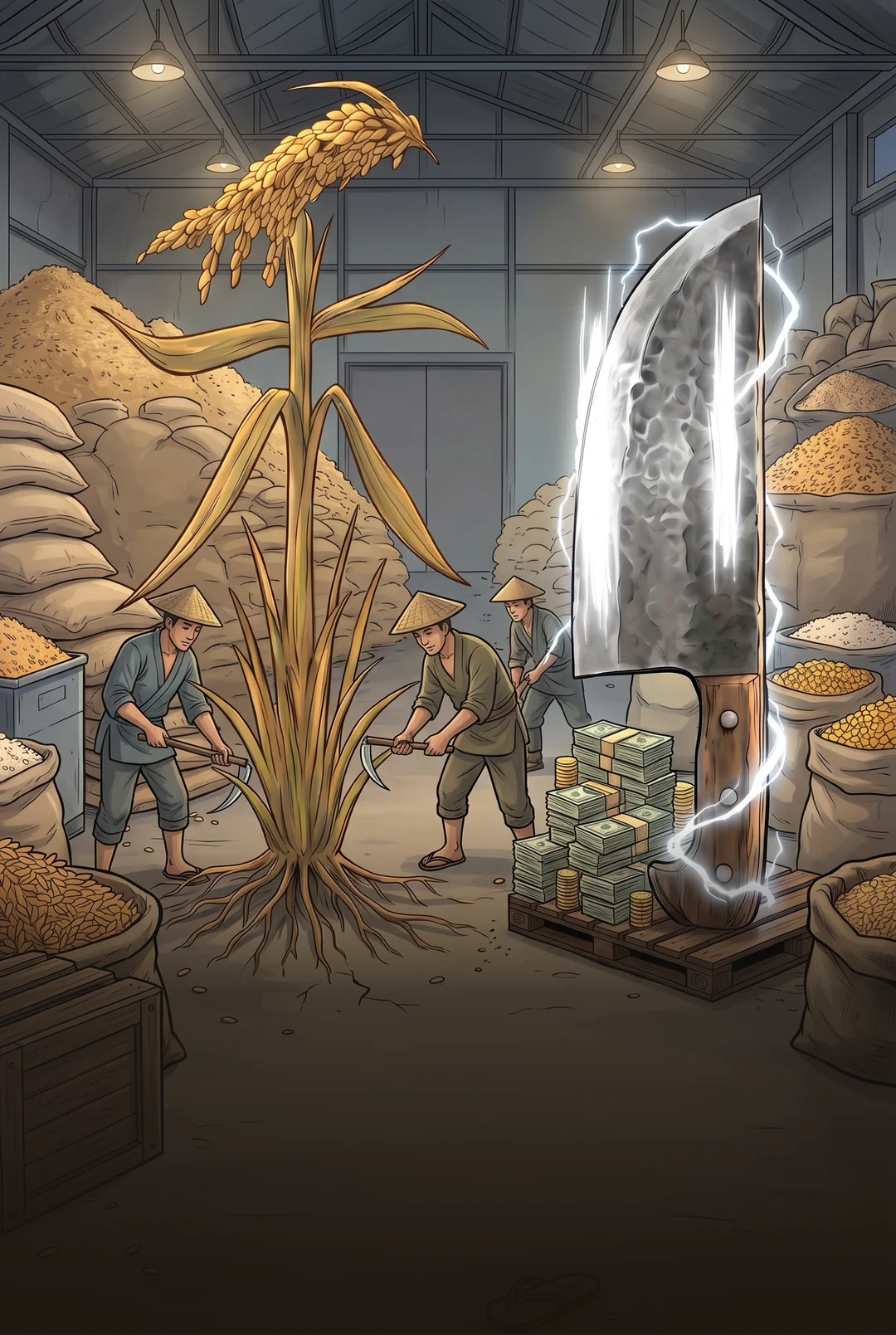
When a situation does not (不) yield a profit (利), it's a disadvantage.

Lack of (不) sleep (眠): insomnia.
Frequently Asked Questions About 不 (Not)
What is the best kanji mnemonic for 不 (Not)?
▼
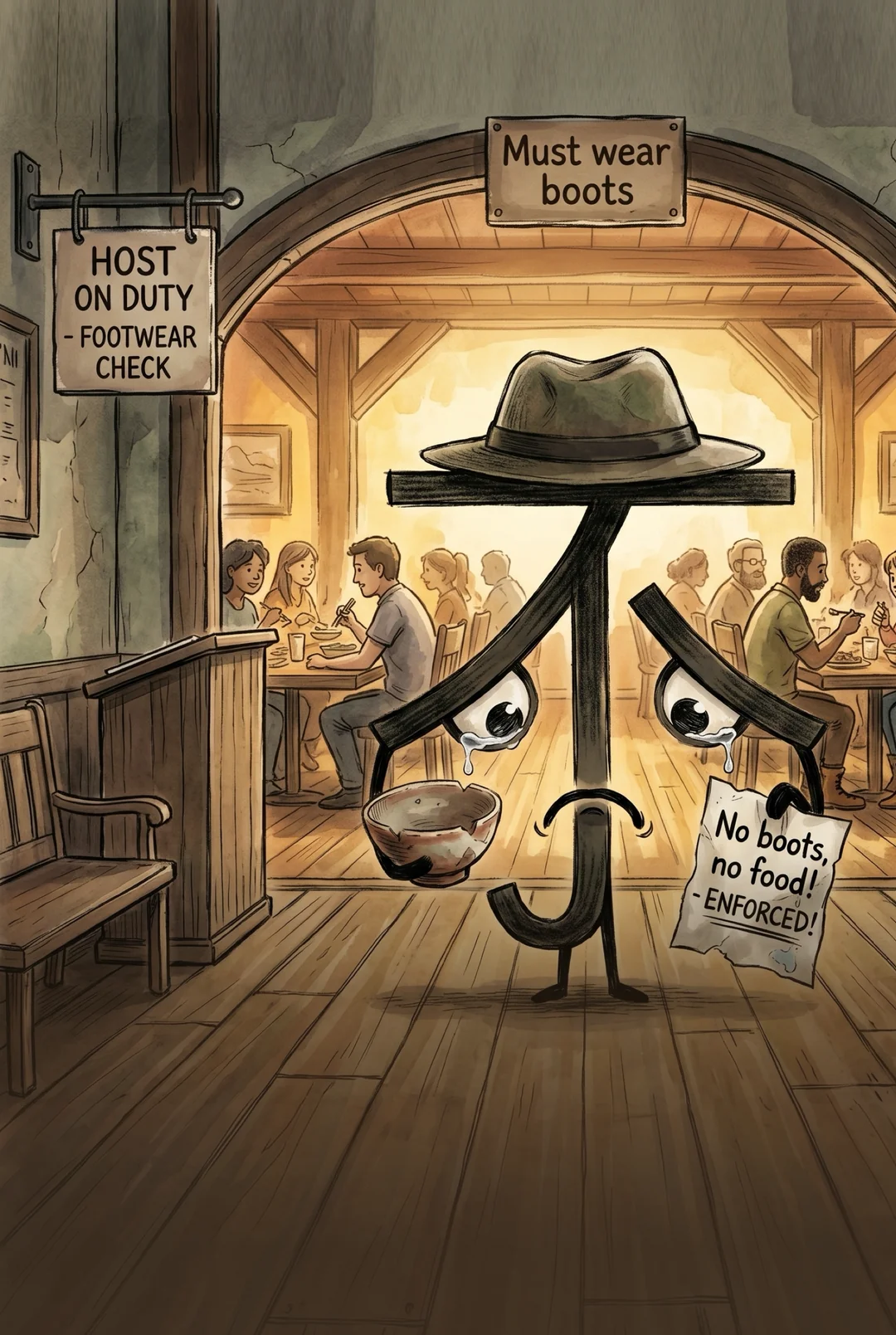
The Shibashi Japanese kanji mnemonic for 不 ("Not", read as ふ) is: Mr. Stick has no boots (ぶ) and can NOT get any food (ふ). Using visual kanji mnemonics that combine the character's radicals, meaning, and reading into a single illustrated scene makes 不 effortless to recall.
What does the kanji 不 mean and how is it read in Japanese?
▼
The Japanese kanji 不 means "Not". Its primary reading is ふ (On'yomi: ふ, ぶ; Kun'yomi: —). Our Japanese kanji mnemonics tie the reading directly into the visual story so you remember both the meaning and pronunciation together.
What are common Japanese words and compounds with 不?
▼
Essential Japanese vocabulary words containing 不 include: 不幸 (ふこう - unhappiness, sorrow, misfortune, disaster, accident, death), 不 (ふ - un, non, negative prefix), 不可 (ふか - wrong, bad, improper, unjustifiable, inadvisable), 不利 (ふり - disadvantage, handicap, unfavorable, drawback).
How do Japanese kanji mnemonics help you remember 不 (Not) faster?
▼
Traditional rote stroke repetition fades quickly. Shibashi's Japanese kanji mnemonics turn 不 (Not) and its shared visual radical family into memorable characters and objects, paired with smart Spaced Repetition (SRS) and native audio so the memory sticks permanently.